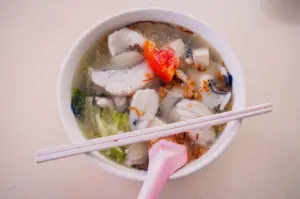
A bowl of pomfret soup shows you a lot before you lift the spoon. The broth, the fish and the condiments all reveal whether the bowl was made with care or left to sit. If you're wondering whether a pomfret fish soup is fresh, most of the answer is right in front of you. This guide covers the visual and textural signs worth checking. If you'd like the background on why this fish matters so much at the Teochew table, there's more on pomfret teochew cuisine in our journal.
What "Freshly Made" Actually Means
Freshly made is about the bowl, not a promise about the fish. It means the broth was cooked for the service, the pomfret was cooked close to serving, and the condiments went in at the end. You can check all three at the table.
That's how we think about every bowl at Hup Lok's seafood restaurant on Havelock Road. The signs below apply to any pomfret soup you order. Your eyes and your spoon will tell you more than any menu description.
Start with the Broth
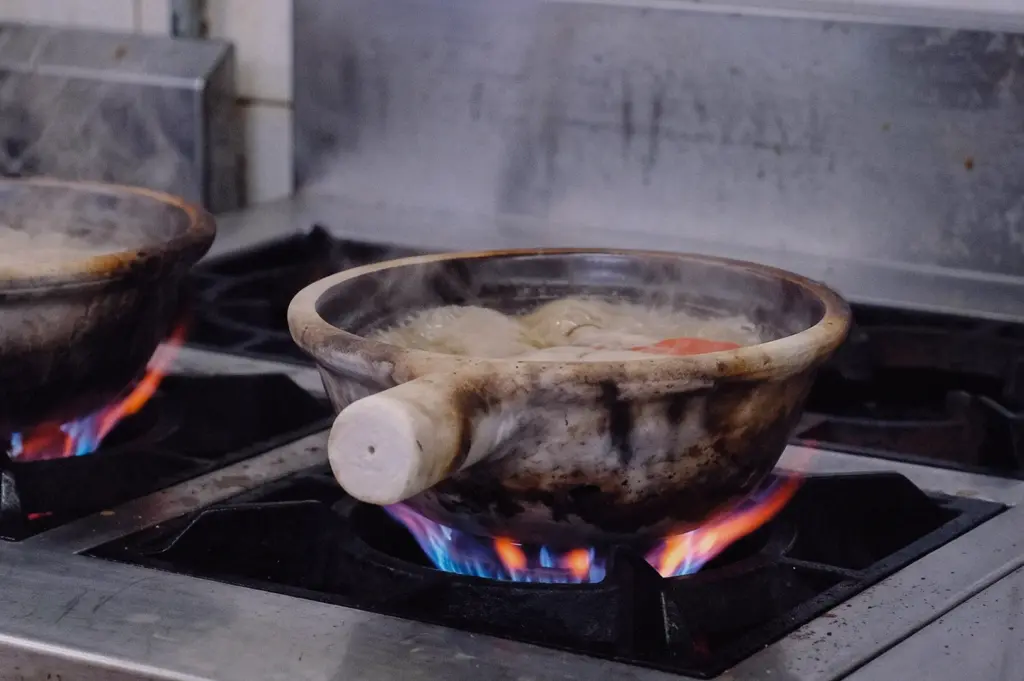
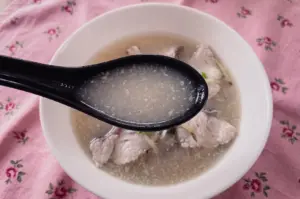
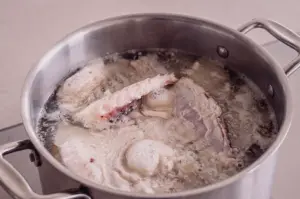
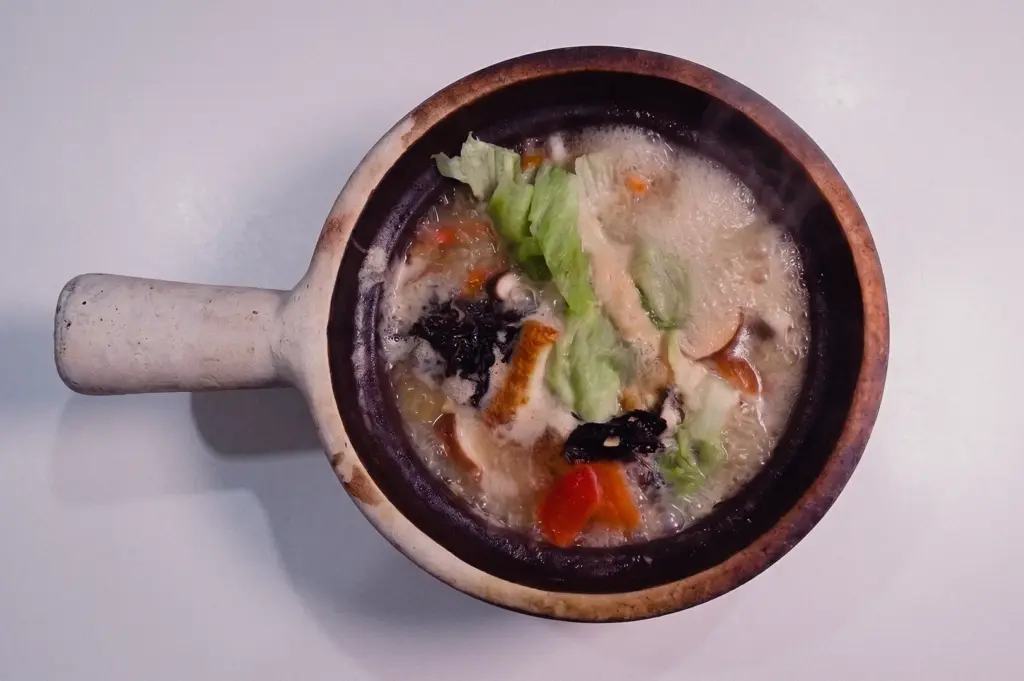
Look at the colour first. A well-made bone broth for pomfret soup should be milky ivory and even all the way through.
Ours gets that colour from batang bones simmered with chicken and tee poh, the dried sole fillet. As it cooks, collagen renders out of the bones and gives the broth its body. There's no evaporated milk and no shell or siput base. The soup is white because the bones give everything.
Next, notice how the broth sits on the spoon. Collagen gives it a light coating that clears from the palate. It shouldn't feel thick or gluey. A broth that's been kept hot too long can reduce, turn saltier and lose its brightness. Sometimes a skin forms on top. A good broth tastes rounded and clean. A tired one tastes flat.
If the soup tastes creamy, the way dairy does, that colour probably didn't come from the bones. That's worth knowing.
Check the Pomfret
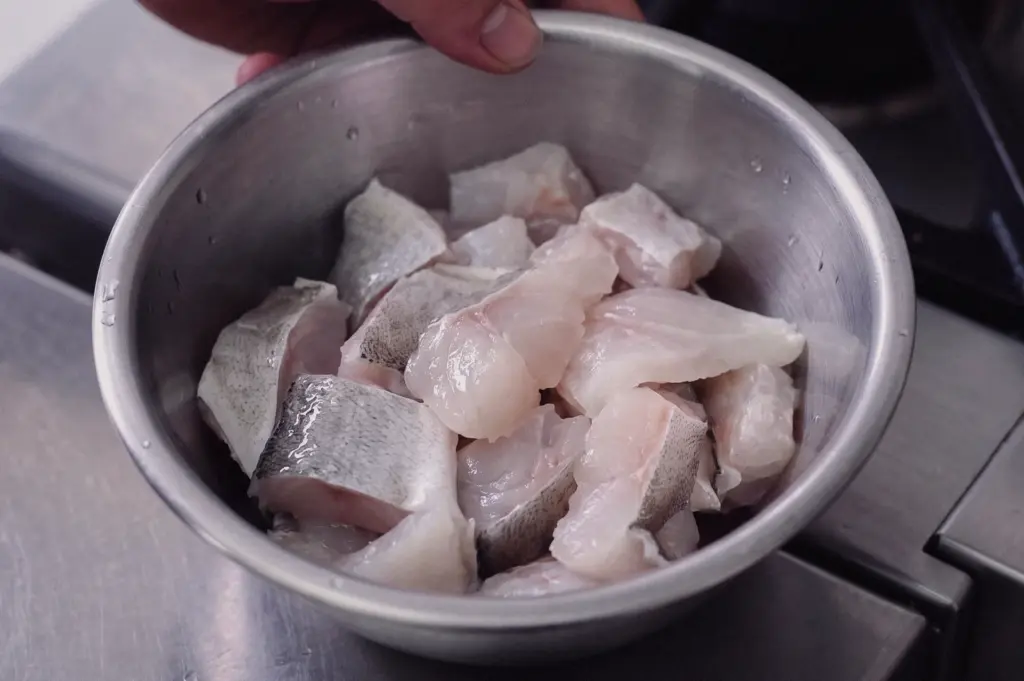
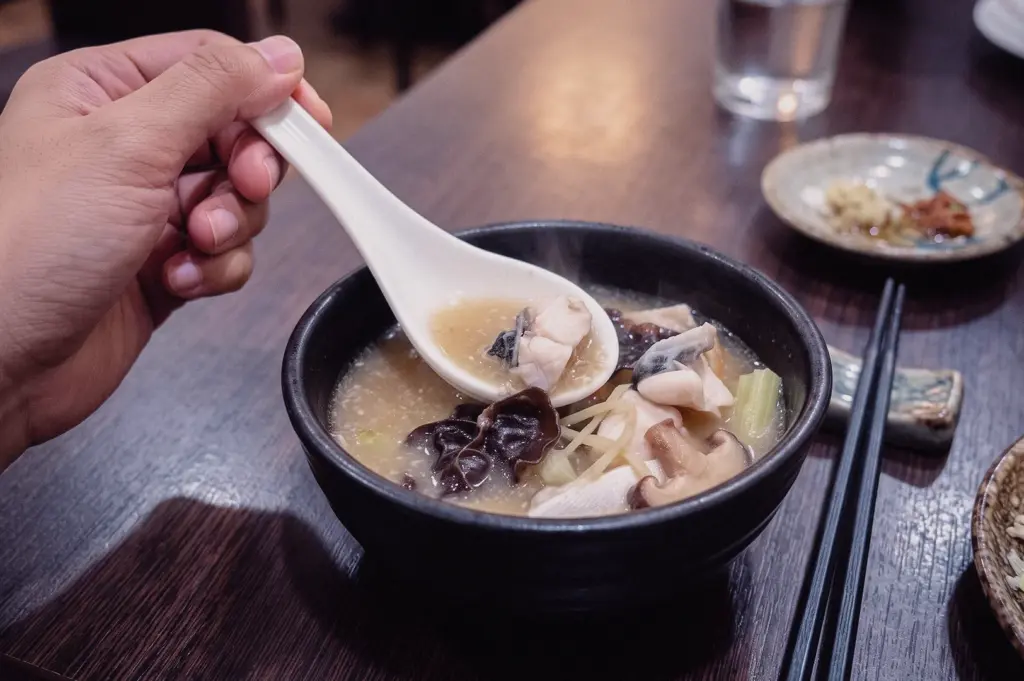
The fish is the centre of the bowl. It's also the best test of timing. Pomfret has fine, tender flesh. Cooked right, it turns almost silky and flakes apart gently along its natural lines. The flavour is mild and clean, with a quiet sweetness. That's the texture you're looking for.
Overcooked pomfret behaves differently. It firms up, turns dry and goes stringy. Slices that have sat in hot broth too long often break up and scatter through the bowl. The window between just right and overdone is narrow. Pomfret doesn't hide mistakes.
One thing is in your hands. The broth keeps cooking the fish after the bowl reaches the table. Eat the pomfret first, while it's still soft. The broth can wait.
Look at the Condiments
Grandpa's Pomfret Soup is finished with three traditional Teochew condiments. Each does one job, and each gives you a small clue.
- Sng buay (sour plum) should bring a bright, clear sourness that cuts through the richness of the broth.
- Kiam chye (salted mustard) should add a savoury, salted edge with a slight tang.
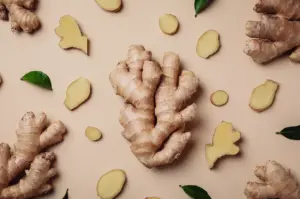
- Julienned ginger should be fine, distinct strands that lift the broth and keep the fish tasting clean.
When condiments sit too long in hot soup, they soften and blur. The ginger goes limp. The sourness fades into the background. In a freshly finished bowl, you can still pick out each flavour. Sour on one side, salted on the other, with the fish in the middle.
Taste for Balance
Put the signs together and taste the bowl as a whole. A freshly made pomfret soup should feel balanced, not tired.
The broth carries the fish. The condiments sharpen the edges. Nothing tastes muddy or overcooked. If one element has slipped, you'll usually notice it in the first few spoonfuls. Balance is hard to fake.
Why Consistency Matters More than One Good Bowl
Any kitchen can get one bowl right. The harder job is getting it right every service.
Our broth takes roughly an hour. The founder's father made his soup without a fixed written recipe. Chef Kee Leng, who is also a partner, balanced and refined it, working out the ratios, heat and timing so the kitchen can make the same bowl each service. A long simmer was never the goal. Repeatability was.
The Knowledge Behind the Bowl
Knowing what good fish looks like takes years of handling it. The founder's grandfather hawked fish at the foot of Fort Canning in the afternoons. The founder's father helped from boyhood and later ran his own stall at Mei Ling market. The trade grew into Hai Sia Seafood at Jurong Fishery Port, now run by the founder's brother, and it supplies our kitchen today.
Fewer hands between the fish and the bowl give the kitchen more control over what it serves. That's what we mean by fish soup done properly. The proof is in the bowl, not in what we say about it.
What to Look For
- A milky ivory broth with a light, clean body, not a creamy or reduced one
- Pomfret that's silky and flakes gently, not dry or broken
- Condiments you can still taste one by one
- A bowl that feels balanced from the first spoonful
Next time you're near Havelock Road, come by Hup Lok and order Grandpa's Pomfret Soup. Check the broth, eat the fish first, and see what you notice.