People often use "fish stock" and "fish soup" to mean the same thing. In a kitchen, they are not. When comparing fish stock vs fish soup, the simplest way to put it is this: stock is an ingredient, and soup is a dish. One is built to be used. The other is built to be eaten.
This guide covers how the two differ in purpose, seasoning, body and finish. The difference also explains a common problem. If you've ever wondered why does fish soup taste fishy, the cause often goes back to how the base was made.
What Fish Stock Is
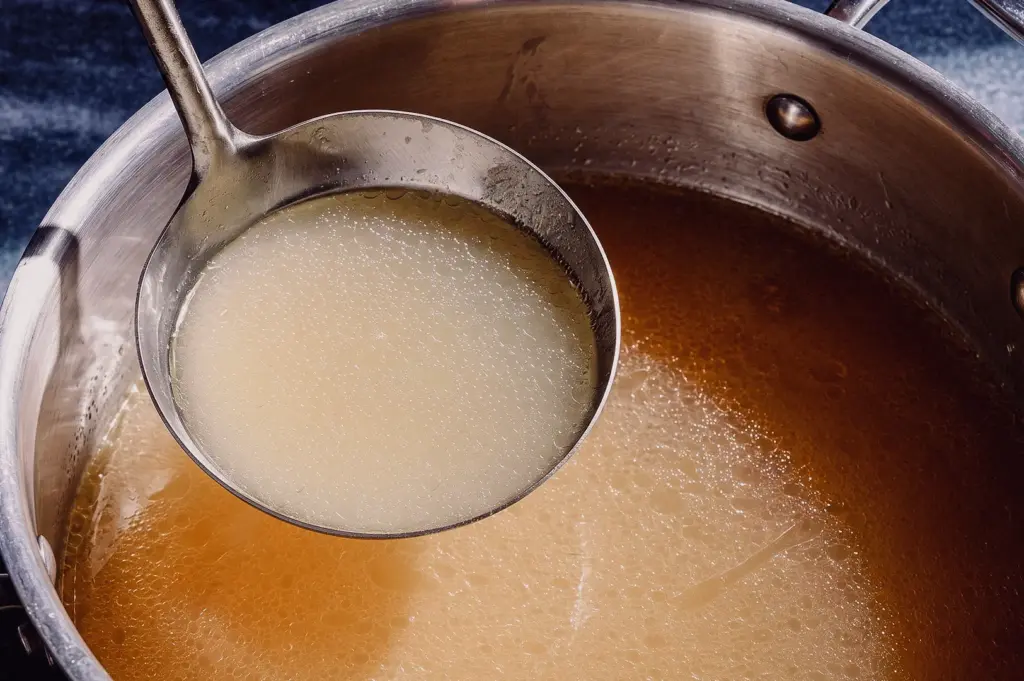
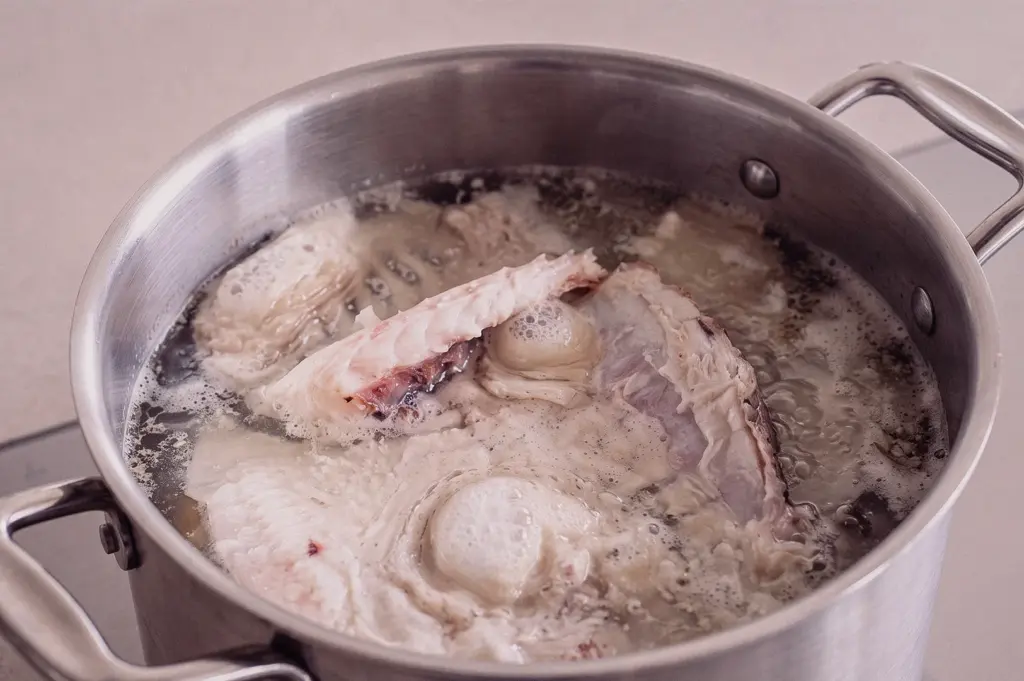
Fish stock is a cooking liquid. It is made by simmering fish bones and trimmings in water to draw out their flavour. Cooks usually leave it lightly seasoned or unseasoned.
That restraint is deliberate. Stock goes into something else, such as a sauce, a braise or a soup. If it is salted early, the cook loses control of the final dish. A good stock tastes of fish and little else. It is not meant to be finished.
What Fish Soup Is
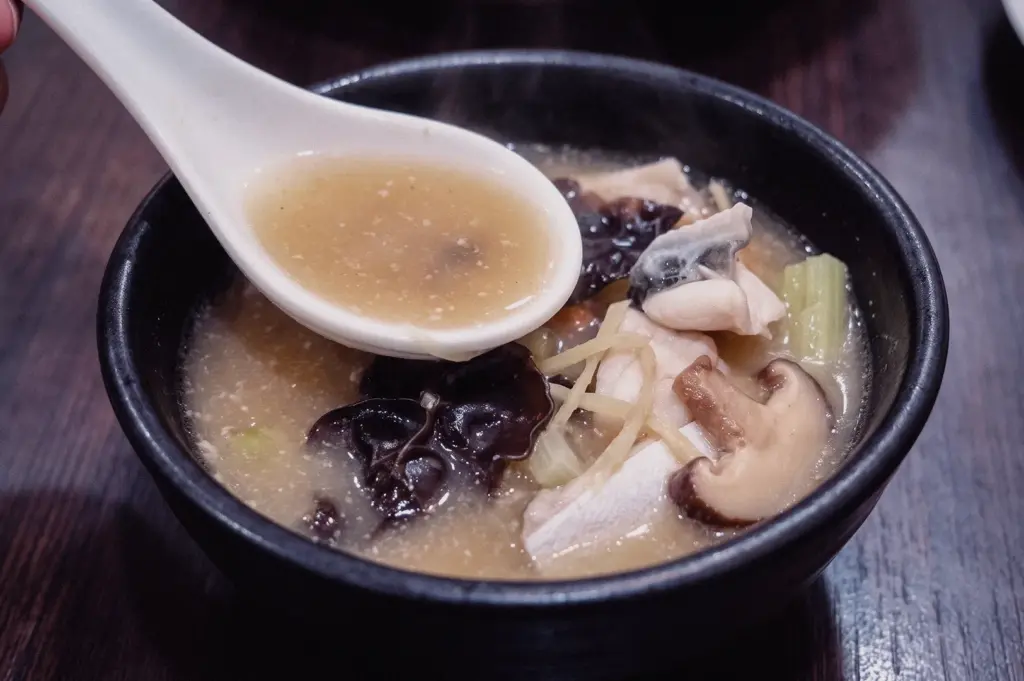
Fish soup is the finished bowl. It starts with a base liquid, then gets seasoned, balanced and served with fish and other ingredients. Every part is meant to be eaten together.
A soup has to work on its own. The broth needs enough body to carry the fish. The seasoning needs to be right at the table, not adjusted later. A stock is a starting point. A soup is the end result.
Our signature bowl shows how this works in practice. If you'd like to discover the signature pomfret dish before reading on, it's Grandpa's Pomfret Soup, named in honour of the founder's father.
The Key Differences
| Fish stock | Fish soup | |
|---|---|---|
| Purpose | An ingredient for other dishes | A dish served as it is |
| Seasoning | Light or none | Balanced for eating |
| Body | Varies with use | Built to support what's in the bowl |
| Finish | None | Fish, condiments and garnishes added |
| Judged by | How well it serves the next step | How the whole bowl tastes |
The table makes the main point clear. Stock is judged by what it makes possible. Soup is judged by what you taste.
Where Our Broth Sits
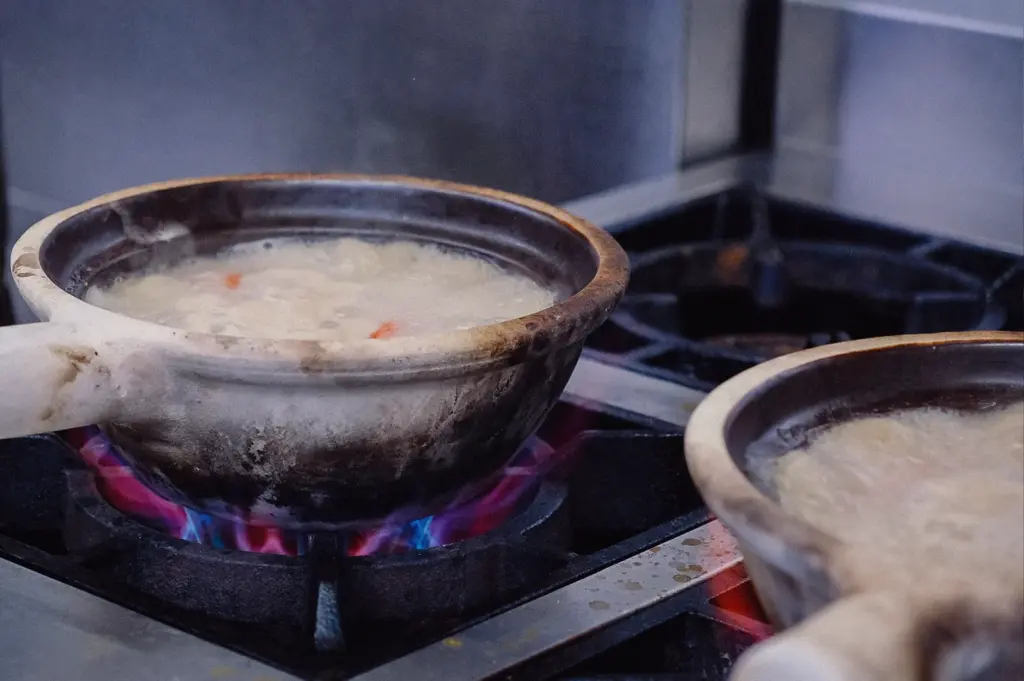
Our broth sits closer to the soup end of that line. It is made to be served, not stored for other uses.
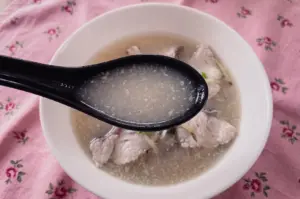
It starts with batang bones simmered with chicken and tee poh, the dried sole fillet. As the bones cook, collagen renders out and gives the broth its naturally milky ivory body. There is no evaporated milk and no shell or siput base. The soup is white because the bones give everything.
A plain fish stock does not need that body. Ours does. That body is what lets the broth hold up the generous pomfret slices without covering them. The fish stays at the centre of the bowl.
Finishing Turns Broth into Soup
What separates a soup from a base liquid is the finish. Grandpa's Pomfret Soup is completed with three traditional Teochew condiments.
- Sng buay (sour plum) brings sourness that cuts through the richness of the broth.
- Kiam chye (salted mustard) adds a savoury, salted edge.
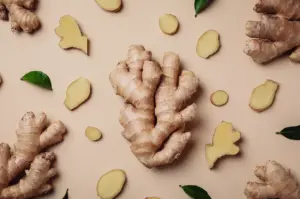
- Julienned ginger keeps the fish tasting clean.
None of these belongs in a stock. Each one only makes sense in a bowl meant for eating. That is the difference in practice.
Why Consistency Matters at Both Stages
Stock or soup, the base has to come out the same each time. If it shifts, everything built on top shifts with it.
Our broth takes roughly an hour. The founder's father made his soup without a fixed written recipe. Chef Kee Leng, who is also a partner, balanced and refined it into the version we serve today. He set the ratios, heat and timing so the kitchen can make the same bowl each service. Time in the pot was never the goal. Repeatability was.
The Knowledge Behind the Base
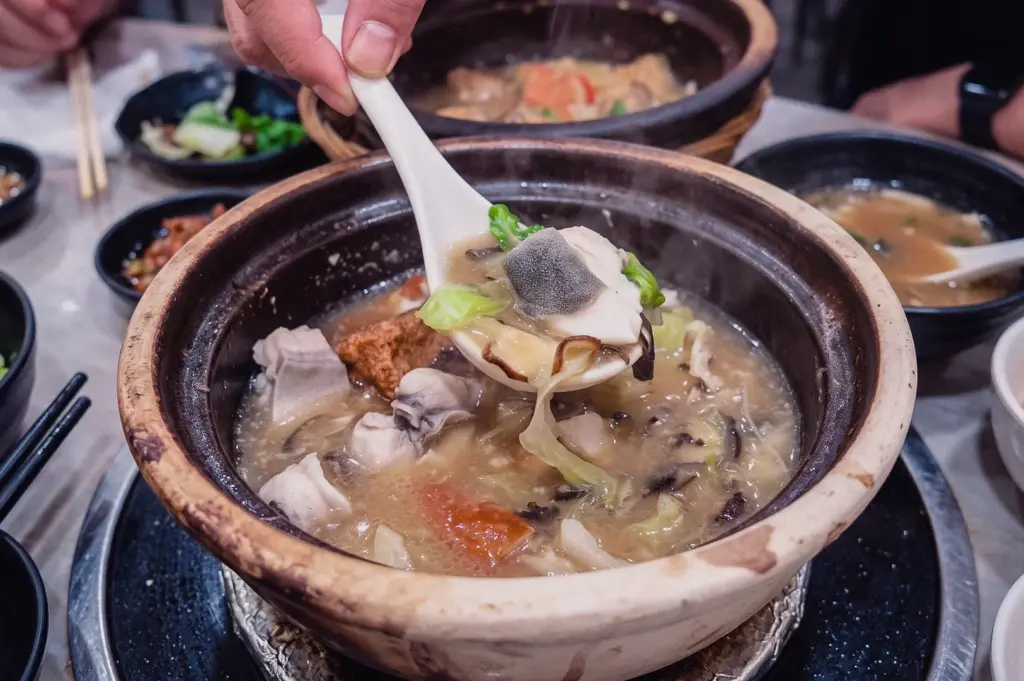
A good base starts with knowing fish. The founder's grandfather hawked fish at the foot of Fort Canning in the afternoons, a pole across his shoulders. The founder's father helped from boyhood and later ran his own stall. The trade grew through a small factory into at Jurong Fishery Port, now run by the founder's brother.
Hai Sia Seafood supplies our kitchen today. Fewer hands between the fish and the bowl give us more control over what goes into the pot. That's the work behind the Hup Lok restaurant. The restaurant is new. The family's knowledge of fish is not.
Key Takeaways
- Fish stock is an ingredient. Fish soup is a finished dish.
- Stock is kept lightly seasoned so the cook keeps control later.
- Soup is seasoned and balanced to be eaten as served.
- A soup broth needs enough body to support the fish.
- Condiments and fish are what turn a base into a bowl.
To taste the difference, come by Hup Lok on Havelock Road and order Grandpa's Pomfret Soup. Try a spoonful of broth on its own first, then add the condiments.