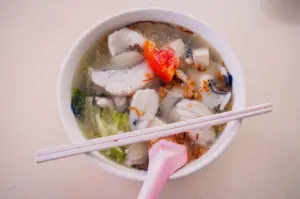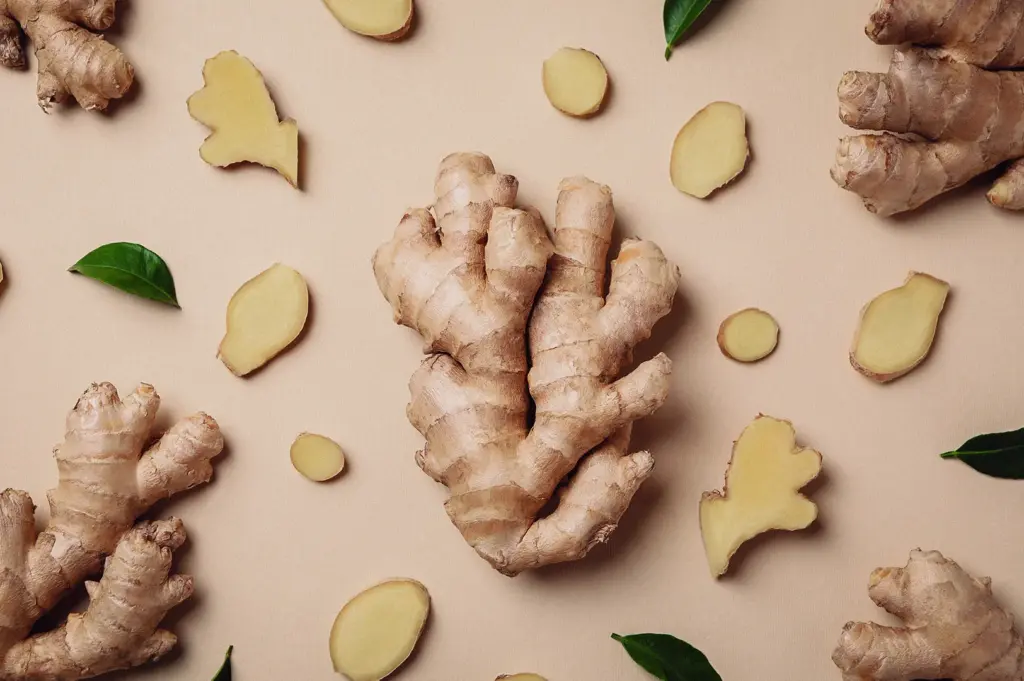
Ginger turns up in almost every Teochew fish soup. Most people add it without thinking about why. The reason is practical. Ginger makes good fish taste brighter and keeps a rich broth from feeling heavy.
This guide covers what ginger actually does in the bowl, how cooks prepare it, and how much is typical. It also shows how ginger fits into our own soup.
What Ginger Does in Fish Soup
Ginger has two jobs. It sharpens flavour, and it balances richness.
It sharpens the fish
Fresh ginger has a clean, peppery heat. That heat sits alongside the sweetness of fish and makes it stand out more clearly. The fish still leads, and ginger lets you taste it more distinctly.
People often say ginger "removes" fishiness. That is only partly true. Ginger can soften a mild off-note, but it cannot fix fish that has gone past its best. If a broth smells wrong, more ginger only hides the problem for a moment. Ginger works best on fish that is already good.
It balances a rich broth
A broth with real body coats the mouth. That is a good thing, but a full bowl of it can start to feel heavy. Ginger's sharpness cuts through that weight. Each spoonful resets your palate before the next.
This matters most in a collagen broth like ours. The richer the broth, the more useful the ginger becomes.
Fresh, Cooked, or Julienned
How ginger is prepared changes what it does.
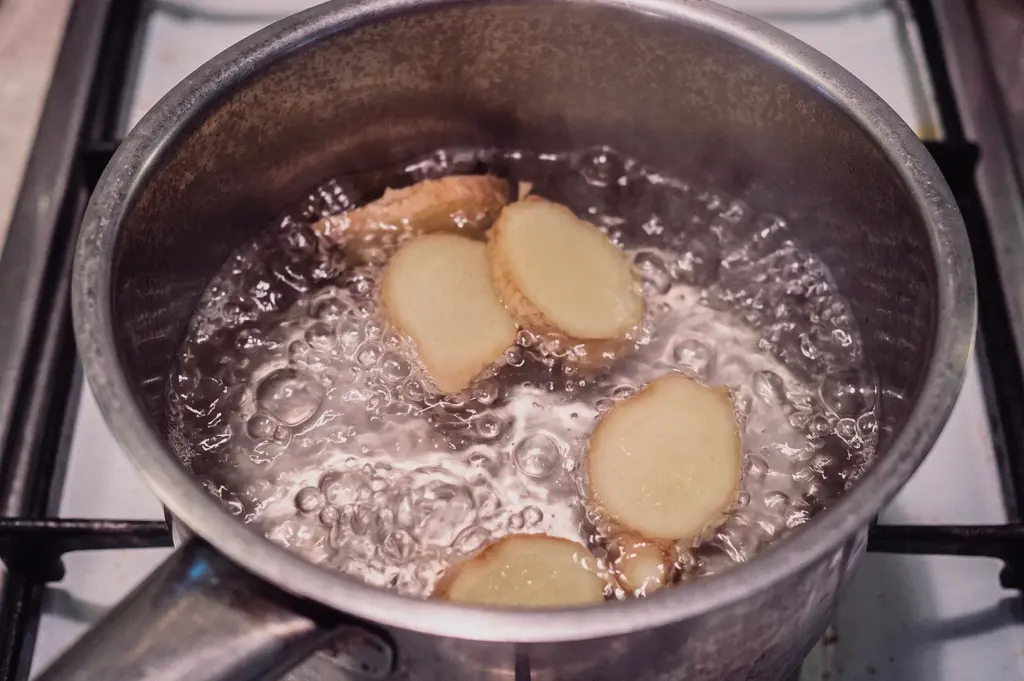
- Simmered slices go into the pot early. Long cooking mellows the heat into a warm background note.
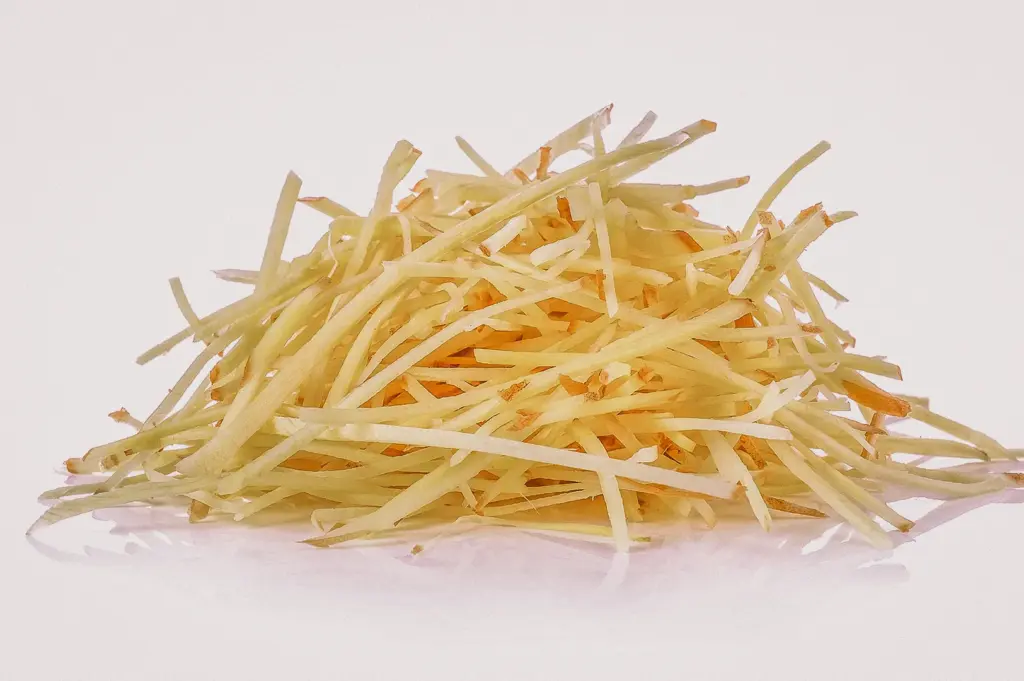
- Julienned ginger is cut into fine strips and added at the end. It keeps its sharpness and gives a fresh lift.
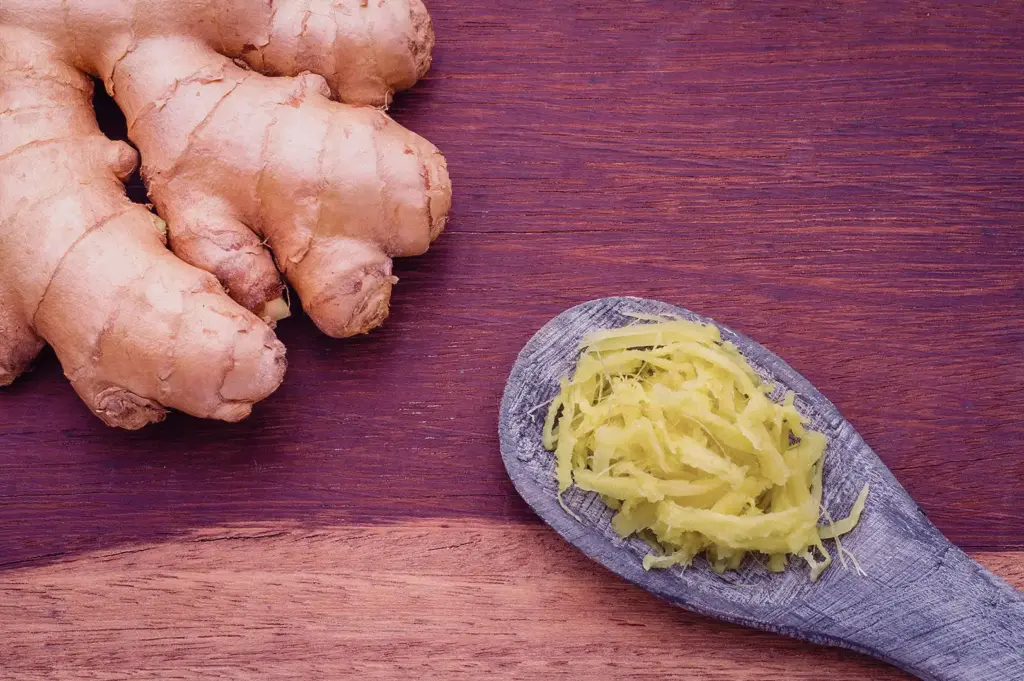
- Grated ginger releases flavour fast and spreads through the liquid quickly. It can turn harsh if overused.
Julienned ginger is the common finish in Teochew fish soup. Thin strips release flavour quickly but evenly. You can eat them with the fish or push them aside. The cut gives you control.
How Much Ginger is Typical
There is no fixed rule. Fish, broth and personal taste all change the answer. Still, a few principles hold.
Ginger should be noticeable but never the main flavour. If the first thing you taste is ginger, there is too much. If you can't find it at all, there is too little. The fish should lead and the ginger should follow.
A lighter fish or a thinner broth needs less. A richer broth can carry a little more, because the ginger has more weight to cut through. Young ginger is milder and more forgiving. Older ginger is more fibrous and pungent, so a smaller amount goes further.
At home, start small. Taste, then add. You can always put more in. You cannot take it back out.
Ginger and the Colour of the Broth
Ginger does not change how a broth looks. Colour comes from what the bones release and how the fat and protein spread through the liquid. There's more on why is fish soup broth cloudy in a separate guide.
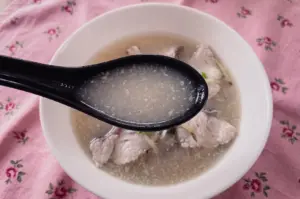
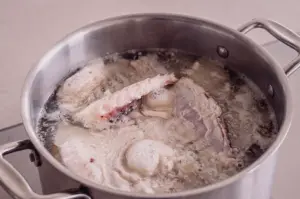
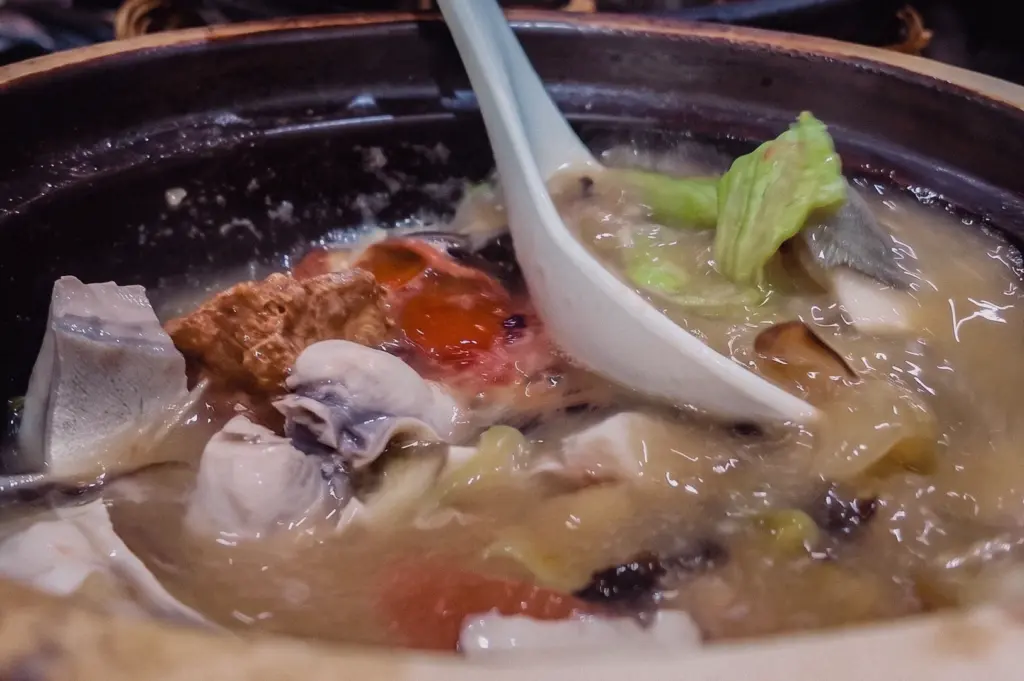
Our broth is milky ivory. It starts with batang bones simmered with chicken and tee poh, the dried sole fillet. There is no evaporated milk and no shell or siput base. The soup is white because the bones give everything.
How Ginger Works in Our Bowl
Grandpa's Pomfret Soup, named in honour of the founder's father, is finished with generous pomfret slices and three traditional Teochew condiments.
- Julienned ginger brings a fresh, sharp lift.
- Sng buay (sour plum) adds sourness that cuts through the richness.
- Kiam chye (salted mustard) gives a salted, savoury edge.
Each condiment has its own job. Together they keep a rich broth feeling light from the first spoonful to the last. The pomfret stays at the centre of the bowl. Ginger supports it and never covers it.
The same thinking runs through Hup Lok's full menu, from Signature Prawn Noodles to Seafood Pao Fan. Seasoning is there to support the seafood.
It Starts with the Fish
Ginger can only sharpen what is already there. That makes the fish itself the real starting point.
The founder's grandfather worked before dawn, then hawked fish at the foot of Fort Canning in the afternoons with a pole across his shoulders. The founder's father helped from boyhood and later became a stallholder. The trade grew through a small factory into Hai Sia Seafood at Jurong Fishery Port, now run by the founder's brother.
Hai Sia Seafood supplies our kitchen today. Fewer hands sit between the fish and the bowl. The restaurant is new. The family's knowledge of fish is not.
Key Takeaways
- Ginger sharpens good fish and balances a rich broth.
- It can soften mild off-notes but cannot rescue tired fish.
- Julienned ginger keeps its freshness and gives you control.
- Use enough to notice, never enough to lead.
If you're looking for where to enjoy fish soup in Singapore made this way, visit Hup Lok on Havelock Road and order Grandpa's Pomfret Soup. Try one spoonful with a strand of ginger and one without, and taste the difference for yourself.