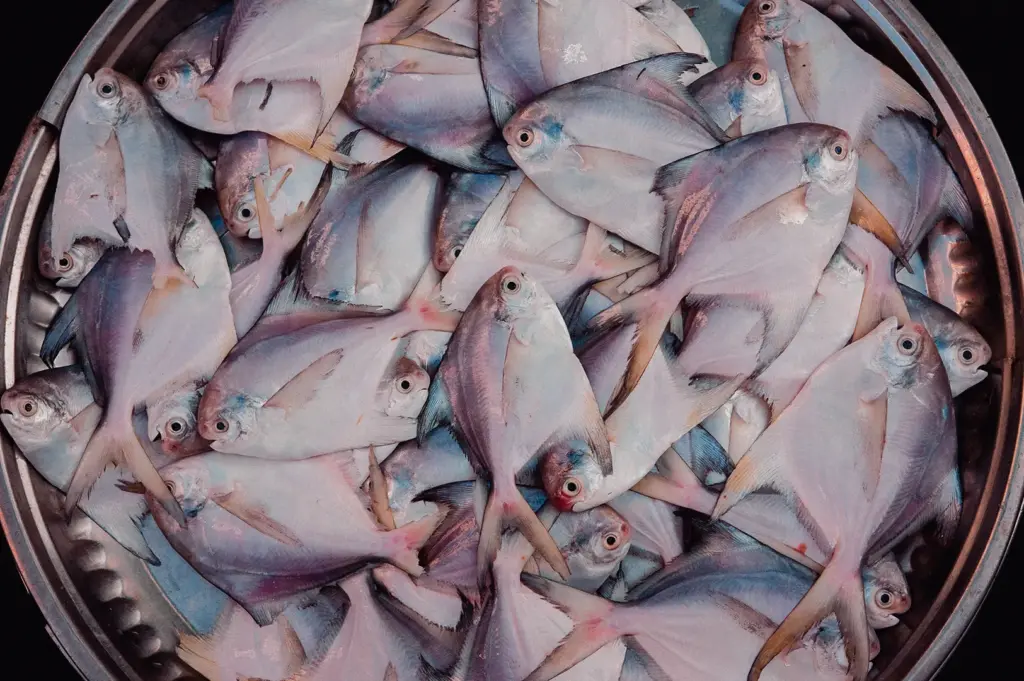
Pomfret turns up again and again in Teochew cooking, and it's not an accident. The Teochew people came from a coastal part of China where the sea was the pantry, and they built a way of cooking that treats good fish with a light hand. Pomfret fits that thinking almost perfectly. It's a delicate fish with a clean, gentle taste, and Teochew cooking is built to let a fish like that speak for itself.
This guide looks at why pomfret has long held its place in Teochew cuisine. You'll learn what makes the fish suit this style of cooking, how Teochew restraint brings out its best, and how that tradition shows up in a real bowl today.
What Teochew Cooking Asks of a Fish
Teochew food is known for restraint. The cooking tends to be light, clean and careful, with the aim of tasting the ingredient rather than the seasoning. Steamed fish, clear soups, simple braises: the technique stays out of the way.
That approach only works with good raw material. If you're not going to hide the fish under a heavy sauce, the fish itself has to be worth eating plain. So Teochew cooking rewards fish that are fresh, fine-fleshed and naturally sweet. Pomfret ticks all three.
Why Pomfret Suits the Teochew Hand
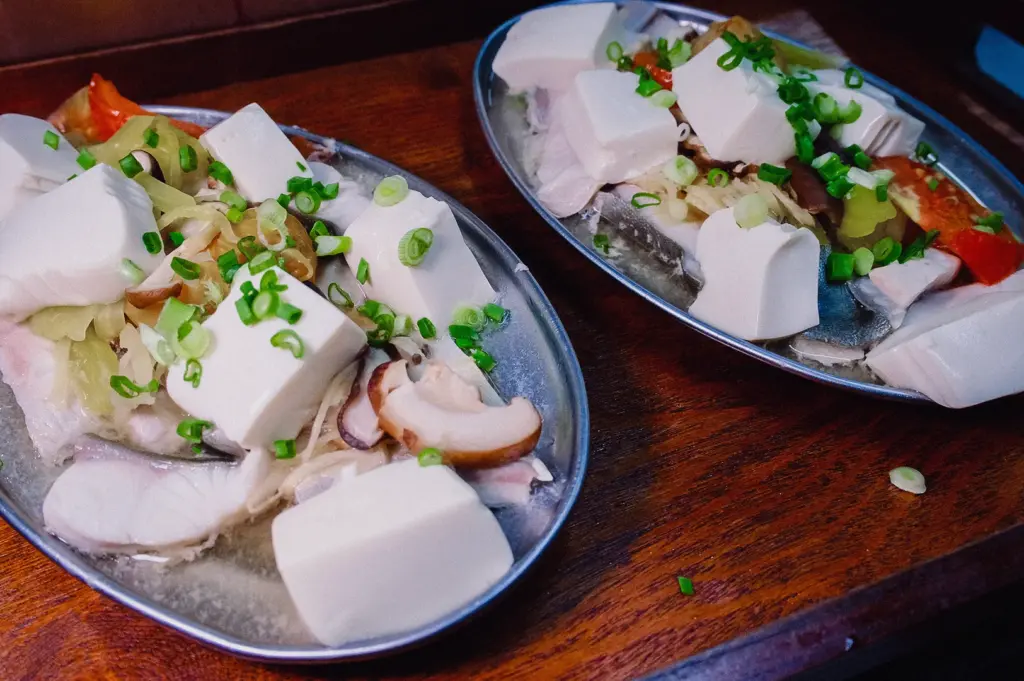
Pomfret has fine, tender flesh that flakes apart gently. Cooked right, it turns almost silky. The flavour is mild and clean, with a quiet sweetness that doesn't taste strong or overly fishy.
That gentleness is exactly why it suits Teochew restraint. A bold, oily fish needs strong seasoning to balance it. Pomfret doesn't. It asks for a light touch and a broth or steam that frames it rather than fights it. In a tradition that prizes tasting the fish, a fish this clean and sweet becomes a natural favourite. The restraint and the fish were made for each other.
There's a trade-off, and Teochew cooks have always known it. A soft fish gives you a short window. It keeps cooking in residual heat, so timing matters more than muscle. That's a discipline, not a long, slow method.
From the Sea to the Bowl: How the Tradition Lives On
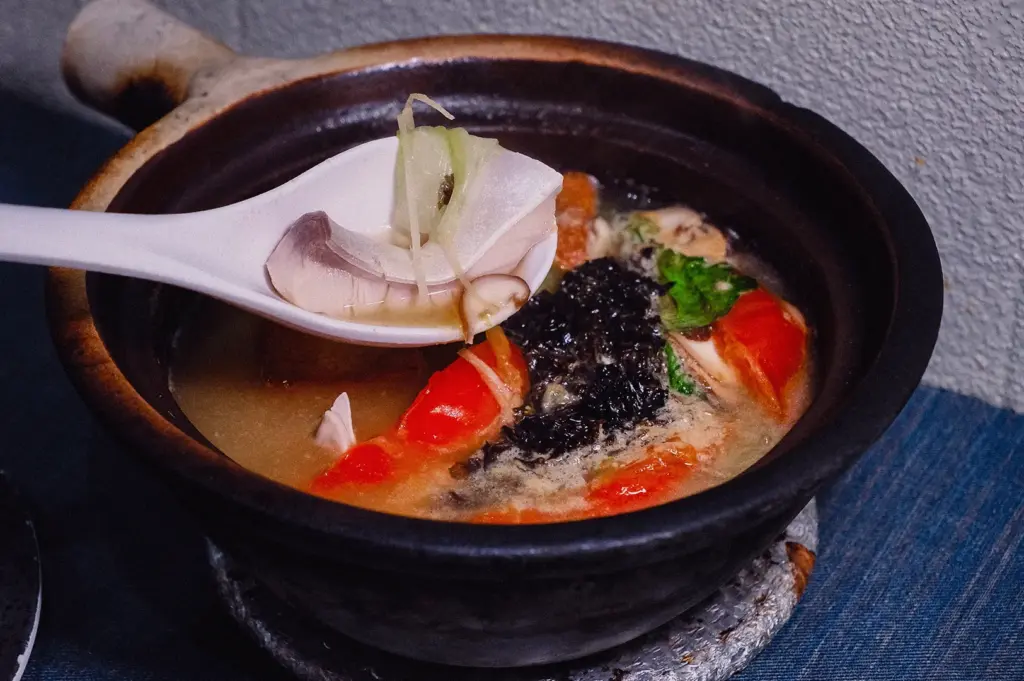
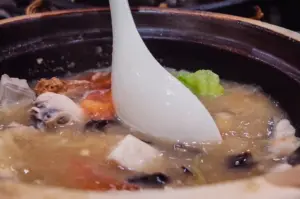
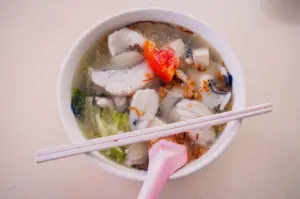
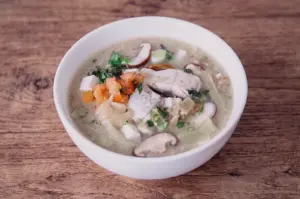
At Hup Lok, this thinking sits at the centre of the signature dish, Grandpa's Pomfret Soup, named in honour of the founder's father.
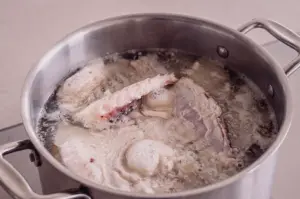
The broth is made from batang bones simmered with chicken and tee poh, the dried sole fillet, until the collagen gives it a naturally milky ivory body. There's no evaporated milk and no shell base. The soup is white because the bones give everything. It's a rich broth, but it's built to support the pomfret, not to bury it.
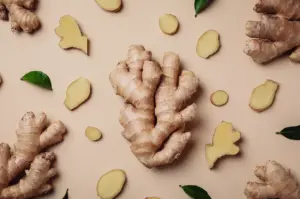
The bowl is finished the Teochew way, with generous pomfret slices and simple condiments: sng buay (sour plum), kiam chye (salted mustard) and julienned ginger. Each does one job. The sour plum brightens, the salted mustard adds a savoury edge, and the ginger lifts the broth. None of them crowd the fish. They frame it, which is the whole point of the tradition. If you want to see how the rest of the dishes follow the same idea, you can find out how the menu is put together.
Knowledge that Comes from the Trade, Not a Recipe Book
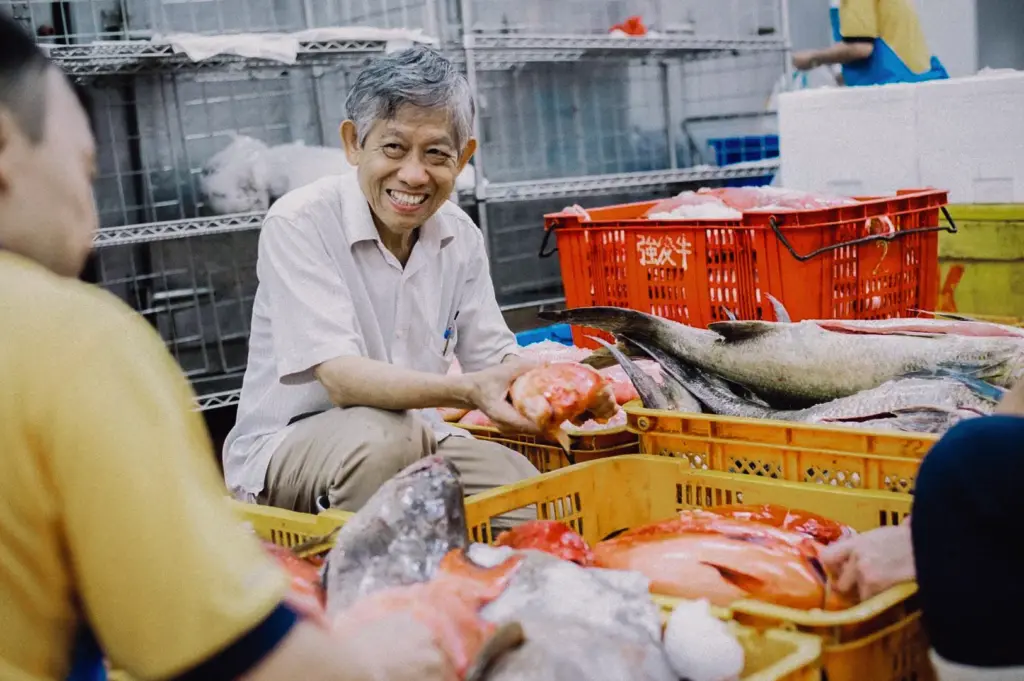
Teochew fish cooking has always leaned on people who know fish well. Hup Lok grew out of three generations working in the fish trade, from the founder's grandfather selling fish at the foot of Fort Canning, to his father at Mei Ling market, to Hai Sia Seafood at Jurong Fishery Port, now run by the founder's brother.
That's the credential behind the bowl. The founder's father's soup had no fixed written recipe. Chef Kee Leng, who is also a partner, balanced and refined it into the version served today, getting the ratios, heat and timing right so the same bowl comes out each service. It isn't an old formula passed down unchanged. It's the fruit of a family that has handled fish for a long time, applied with care.
Frequently Asked Questions
Why is pomfret so common in Teochew dishes?
It's a fine-fleshed, gently sweet fish, and Teochew cooking is light and clean by design. The two fit. A delicate fish rewards a cook who lets it lead, which is exactly what this style does.
Is pomfret always cooked in soup?
No. Teochew kitchens also steam it and braise it simply. Soup is one common route because a good broth carries the fish's sweetness without covering it.
What makes the fish at Hup Lok worth trying?
The kitchen works with Hup Lok's wholesale-sourced seafood, meaning fewer hands between the fish and the bowl and more control over how it's handled. For a soft fish like pomfret, that handling matters.
How should I eat pomfret soup?
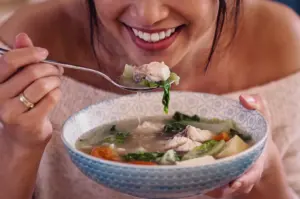
Eat the fish first, while it's still tender. It keeps cooking in the hot broth, so take the slices early, then finish the soup at your own pace.
To taste the tradition for yourself, drop by Hup Lok on Havelock Road and order Grandpa's Pomfret Soup.

One Response