Most cooks salt a pot of soup out of habit, often right at the start. With fish soup, that habit causes problems. The salt you add in the first few minutes is not the salt you taste at the end. By then, the pot has changed.
This guide explains when to season fish soup and why the order matters. If you want the wider picture on flavour, you can read about what makes a broth taste balanced rather than bland. In short:
- Water evaporates as broth cooks. Salt does not.
- Salt added early becomes stronger as the broth reduces.
- Salting last lets you season the broth you actually have.
When to Season Fish Soup: The Short Answer

Season at the end, once the broth has finished cooking. Taste it first, then add salt in small amounts. Stop once the broth tastes full but not salty.
This rule applies to light broths and rich ones. It applies at home and in a restaurant kitchen. Salt is the last adjustment, not the first ingredient.
Why Early Salt Goes Wrong
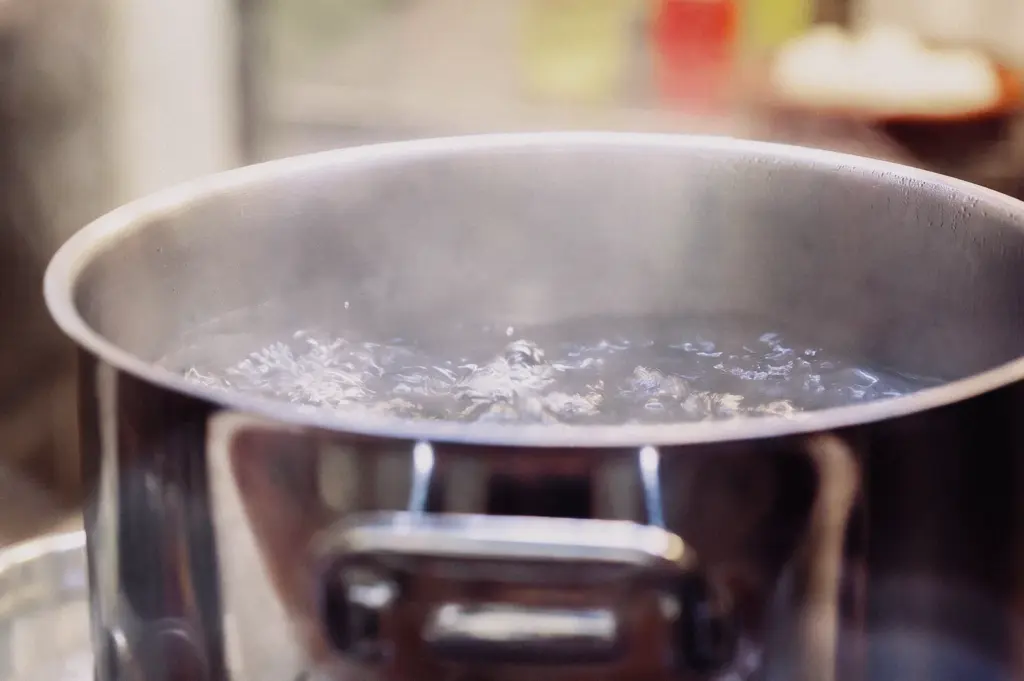
Reduction Concentrates It
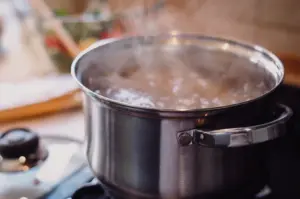
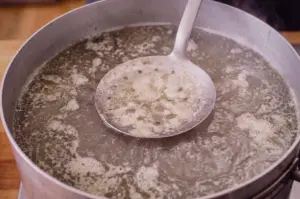
A simmering broth loses water as steam. The salt stays behind in less liquid. A pot that tasted right at the start can taste harsh an hour later. The amount of salt has not changed. The amount of water has.
Other Ingredients Bring Their Own
Bones, flesh and dried fish all release savoury flavour as they cook. You cannot taste that flavour fully at the start because it has not come out yet. Salt early, and you are guessing at a broth that does not exist yet.
You Cannot Take It Back
Too little salt is easy to fix. You add more. Too much salt is hard to fix without watering the broth down and losing body. Seasoning last keeps the mistake you can correct.
A good bowl of fish soup worth returning to tastes of fish and bone first. Salt should support that flavour, not cover it.
How to Season at the End
- Finish cooking first. Let the broth reach its final strength before you judge it.
- Taste it hot. Temperature changes how salty a broth seems.
- Add a little at a time. Stir, wait a moment, then taste again.
- Think about the condiments. Salted or preserved toppings add salt at the table.
- Stop just short. The bowl should taste complete, not sharp.
Why Consistency Makes this Easier
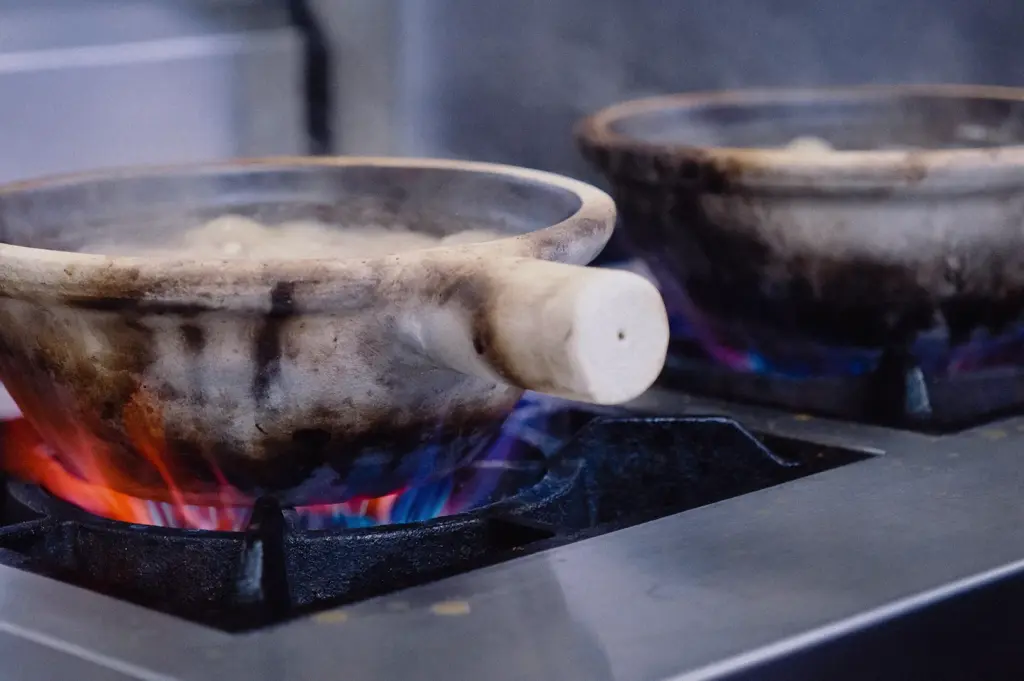
Seasoning last works best when the broth itself is predictable. If the pot reduces differently every day, the right amount of salt changes every day too.
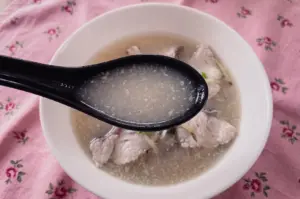
Our broth starts with batang bones, simmered with chicken and tee poh, the dried sole fillet. The collagen from the bones gives it a naturally milky ivory body. There is no evaporated milk and no shell or siput base. The soup is white because the bones give everything.
The broth takes roughly one hour. The founder's father made his soup without a fixed written recipe. Chef Kee Leng, who is also a partner, balanced and refined it into the version we serve today. He set the ratios, heat and timing so the kitchen can make the same bowl each service. When the broth is the same, seasoning becomes a check rather than a guess.
The Condiments Finish the Job
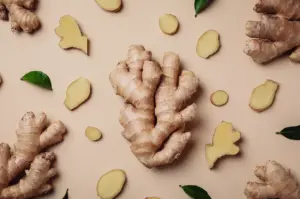
Grandpa's Pomfret Soup, named in honour of the founder's father, is finished with generous pomfret slices and Teochew condiments. Sng buay (sour plum) brings sourness. Kiam chye (salted mustard) brings a salty edge. Julienned ginger brings sharpness.
These condiments are part of the seasoning. A broth salted too early leaves no room for them. The pomfret stays at the centre of the bowl.
It Starts With the Fish

Salt can only bring out what is already there. That depends on the fish, and on people who know it.
The founder's grandfather worked at Hup Seng Huat market before dawn, then hawked fish at the foot of Fort Canning in the afternoons, a pole across his shoulders. The founder's father helped from boyhood and later became a stallholder at Mei Ling market. The trade grew through a small factory in Redhill into Hai Sia Seafood at Jurong Fishery Port, now run by the founder's brother.
Hai Sia Seafood supplies our kitchen today. Fewer hands sit between the fish and the bowl. You can see what the kitchen serves daily on our homepage. The restaurant is new. The family's knowledge of fish is not.
Key Takeaways
- Reduction concentrates salt, so early seasoning often ends too strong.
- Bones and dried fish add savoury depth as they cook.
- Seasoning last lets you correct in one direction only: up.
- Salted condiments count towards the final seasoning.
- A consistent broth makes seasoning reliable.
Next time you are on Havelock Road, order Grandpa's Pomfret Soup. Taste the broth on its own first, then add the condiments and notice how the seasoning changes.