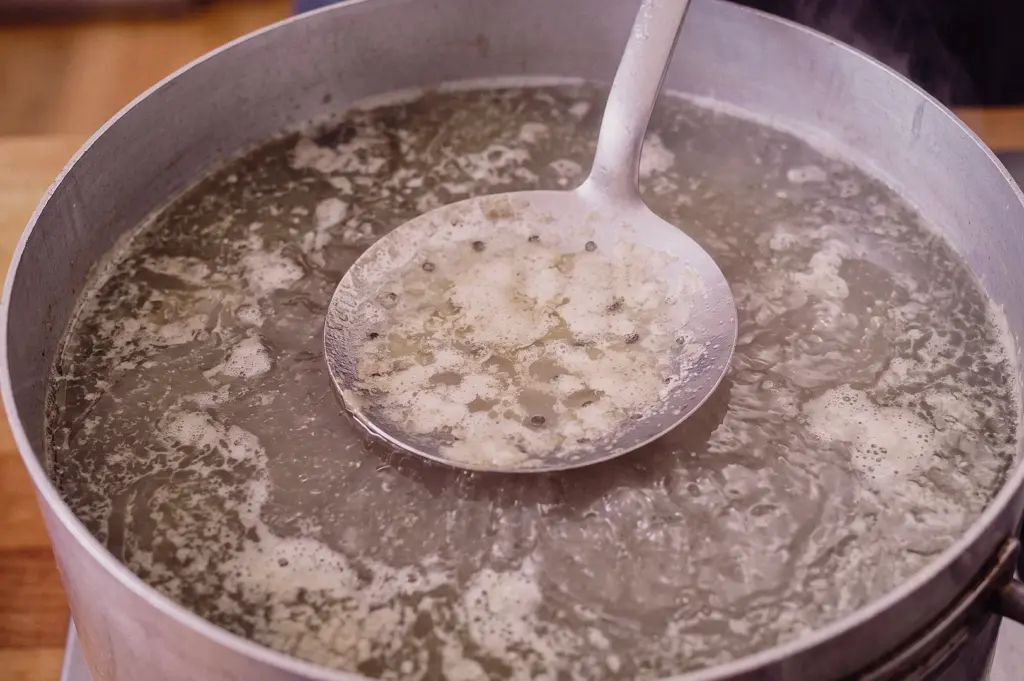
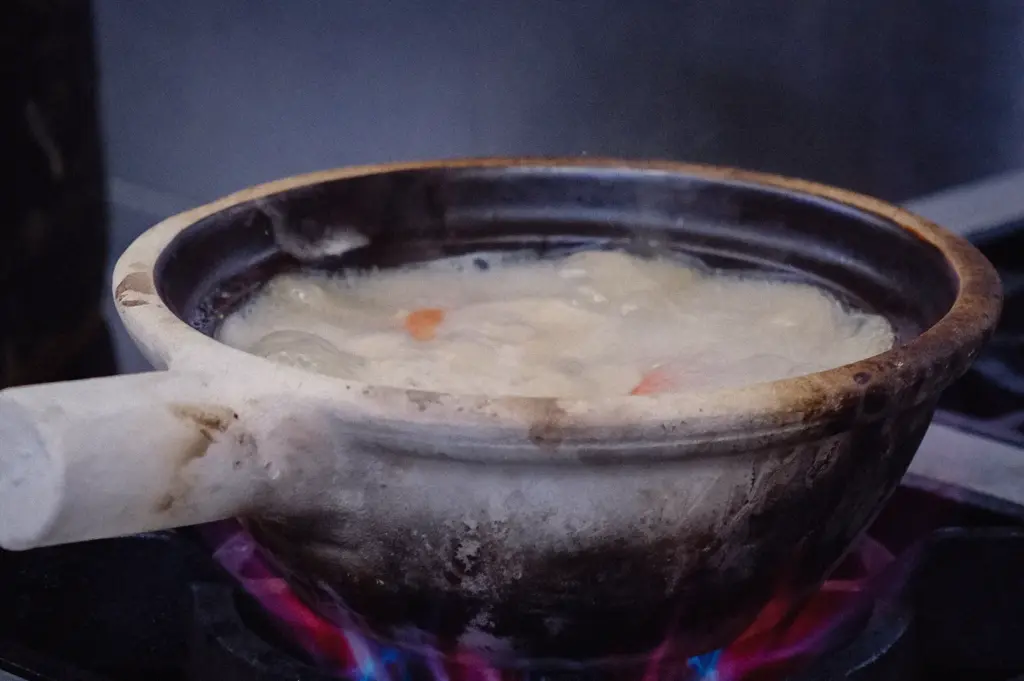
Skimming fish soup broth is one of the least exciting jobs in a kitchen. You stand at the pot with a ladle and lift away grey foam. Nobody sees it happen. You can still taste whether it was done.
This guide covers what skimming removes, why it changes the finished bowl, and how to do it properly at home. It also explains why a milky broth still needs this step. In short:
- Skimming removes the proteins and blood that rise as scum.
- Left in, they turn a broth bitter, muddy and dull.
- Skimming is about cleaning a broth, not stripping its body.
What Rises to the Top
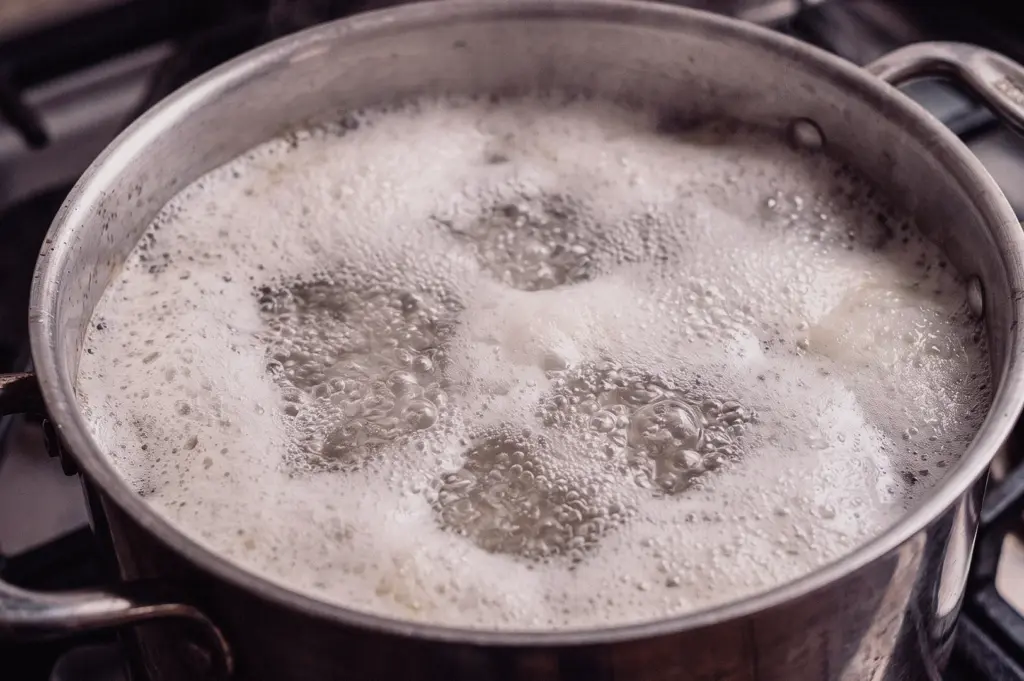
When fish bones go into water and the heat comes up, proteins in the blood and flesh start to set. They clump together and float. That is the grey or brownish foam you see on the surface. Most of it is cooked blood and loose protein.
Some fat rises too. A little of it carries flavour. Too much leaves a greasy film on the tongue.
None of this is dirt in the usual sense. It is part of the fish. It just doesn't belong in the bowl.
Why Skimming Matters
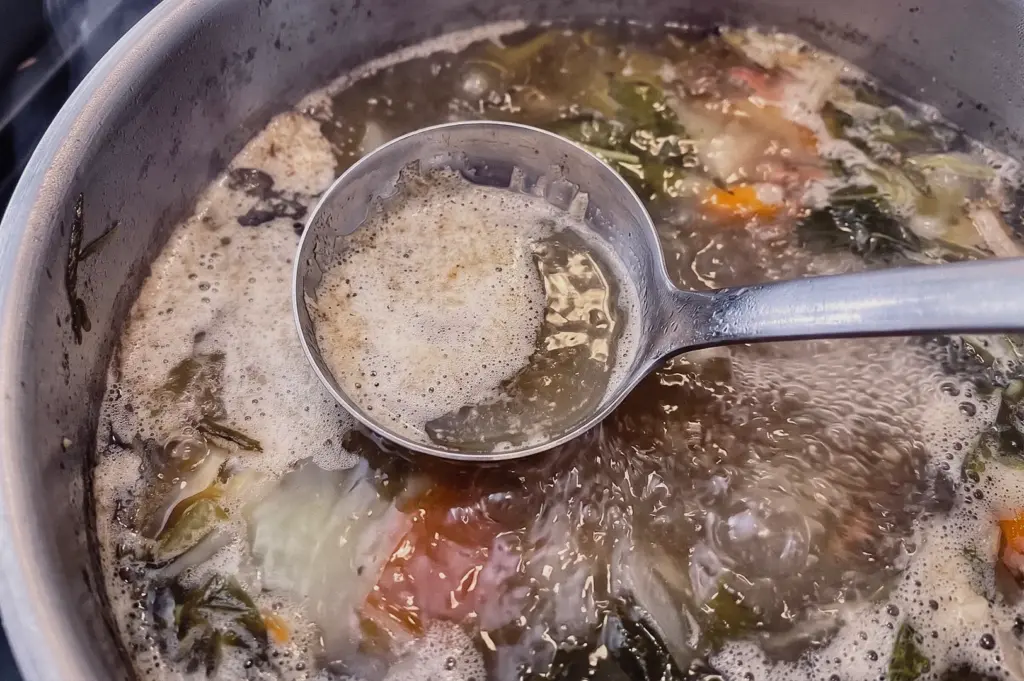
It protects the flavour
Cooked blood tastes metallic. Loose protein can taste stale or faintly sour. If the scum stays in the pot, those flavours spread through the liquid. Good bones get drowned out by off-notes.
It protects the look
Scum that isn't lifted off gets broken up as the broth moves. The particles spread through the liquid. The broth turns grey and murky instead of bright. A dull colour usually points to scum that stayed.
It protects the finish
A well-skimmed broth leaves your mouth fresh. An unskimmed one can feel heavy and slightly gritty. The difference shows most on the last spoonful.
Skimming a Milky Broth
Many people think skimming only matters for clear soups. It matters just as much for a white one.
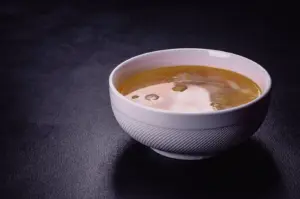
Our broth is milky ivory. It starts with batang bones simmered with chicken and tee poh, the dried sole fillet. There is no evaporated milk and no shell or siput base. The soup is white because the bones give everything.
That whiteness comes from collagen and fat held evenly in the liquid. Scum is a different thing. It gives a grey cast, not an ivory one. A white broth still has to taste clean, and skimming is part of how a broth gets there.
If you've wondered what separates a careful bowl at a fish soup restaurant in the city from a rushed one, this step is often part of the answer.
How to Skim at Home
- Start with clean bones. Rinse away blood and remove any gills before cooking. Less goes in, so less comes up.
- Bring the heat up gently. Scum gathers best as the pot first warms.
- Skim early and often. Most of it appears at the start, so stay close to the pot.
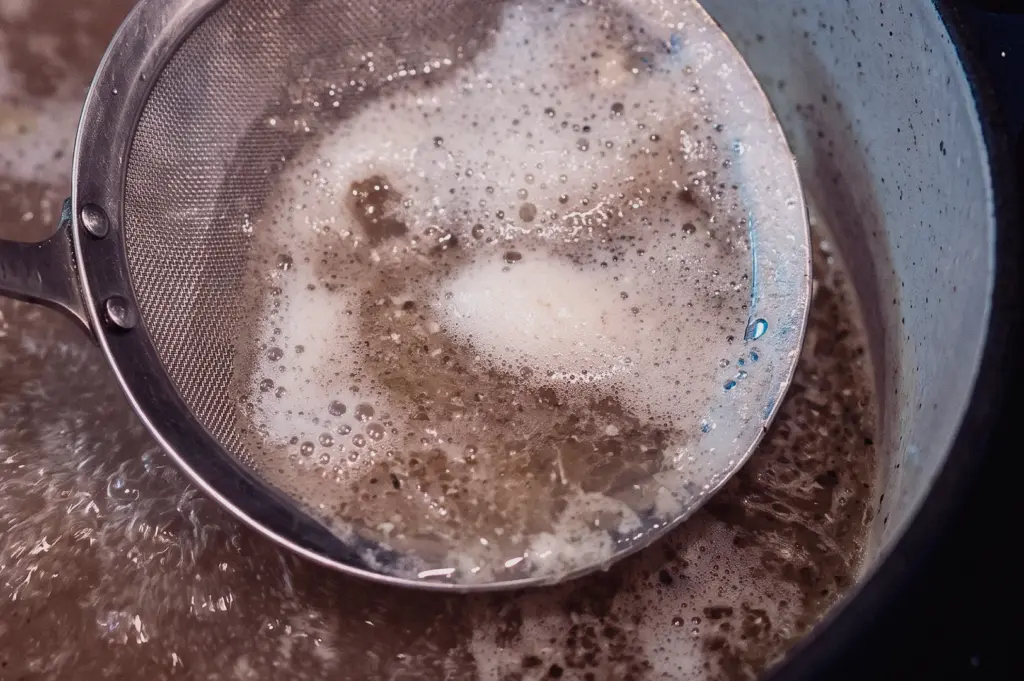
- Use a fine ladle or mesh skimmer. Lift from the surface without stirring.
- Avoid a hard boil. Rolling water breaks scum into fine bits you can't catch.
- Know when to stop. Once the foam stops forming, leave the broth alone.
Don't chase every last drop of fat in a white broth. Some of it is what gives the body. Skim the grey foam and leave the broth's richness alone.
Consistency is the Real Goal
Our broth takes roughly an hour. The founder's father made his soup without a fixed written recipe. Chef Kee Leng, who is also a partner, balanced and refined it, setting the ratios, heat and timing so the kitchen can make the same bowl each service. Careful steps only matter if they happen every time.
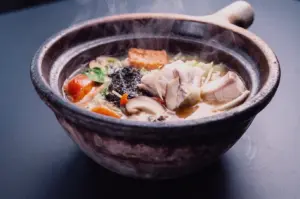
Grandpa's Pomfret Soup, named in honour of the founder's father, is finished with generous pomfret slices, sng buay (sour plum), kiam chye (salted mustard) and julienned ginger. The broth supports the fish. The pomfret stays at the centre.
It Starts Before the Pot
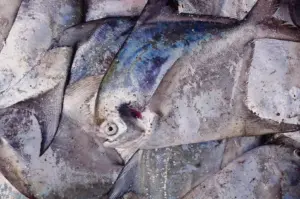
Skimming can only lift away what rises. Fish that has been poorly handled brings more blood and more off-notes into the water. Good broth starts with knowing fish.
The founder's grandfather worked before dawn, then hawked fish at the foot of Fort Canning in the afternoons, a pole across his shoulders. The founder's father helped from boyhood and later became a stallholder. The trade grew through a small factory into Hai Sia Seafood at Jurong Fishery Port, now run by the founder's brother.
Hai Sia Seafood supplies our kitchen today. Fewer hands sit between the fish and the bowl. Search for Fish Soup Singapore and you'll find plenty of bowls. Ours grew out of three generations working with fish. The restaurant is new. The family's knowledge of fish is not.
FAQ
Does skimming remove flavour?
No, if it's done right. You're lifting off cooked blood and loose protein, not the broth itself.
Can I skip skimming if I strain the broth?
Straining catches larger bits. It won't undo flavour that has already spread through the liquid. Skimming during cooking works better.
How long should I keep skimming?
Until the foam stops forming, which is mostly early on. To understand cooking time more broadly, read about how long should fish soup broth be simmered.
Is foam a sign of bad fish?
Not by itself. All fish releases some. A sour or stale smell is the better warning sign.
Taste the Difference
Skimming is small, quiet work, and the bowl shows whether it was done. Visit Hup Lok on Havelock Road and order Grandpa's Pomfret Soup. Taste the broth on its own before adding the condiments, and notice how clean the finish is.