Fillets get the attention. Bones do most of the work. When people ask about fish bones and fish soup flavour, they are really asking about two things bones give a broth: taste and body. Get the bones right and the soup has a proper base. Get them wrong and nothing added later will fix it.
This guide covers what bones put into a broth, how cooks prepare them, and how heat and timing affect what comes out. It also explains how our own broth is built on bones.
What Bones Bring to a Broth
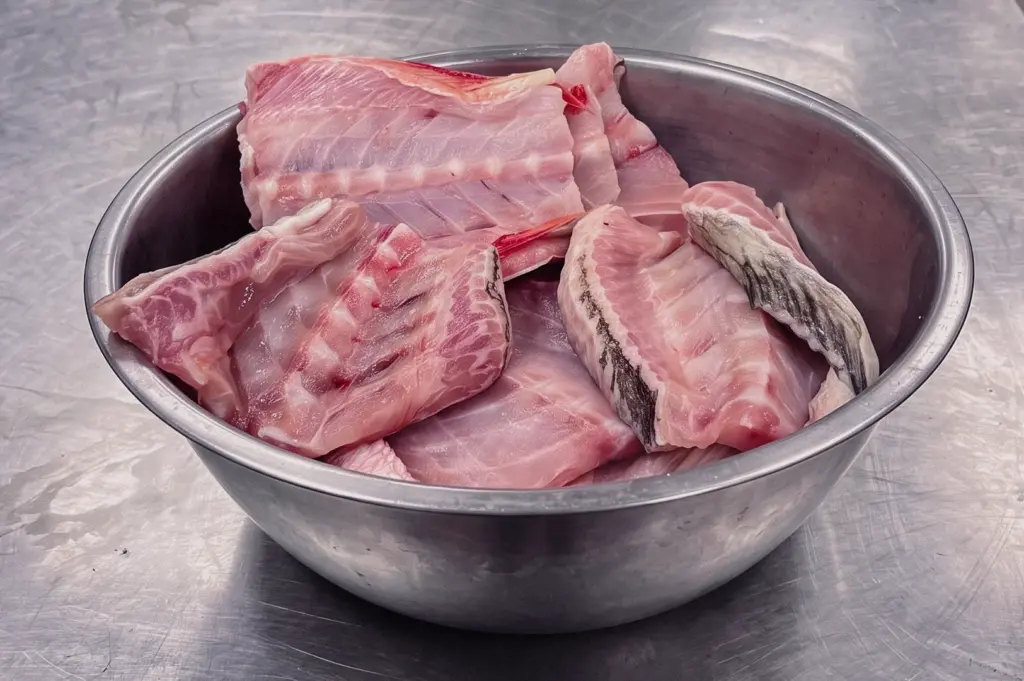
Bones contribute in two separate ways. One is flavour. The other is texture.
Flavour
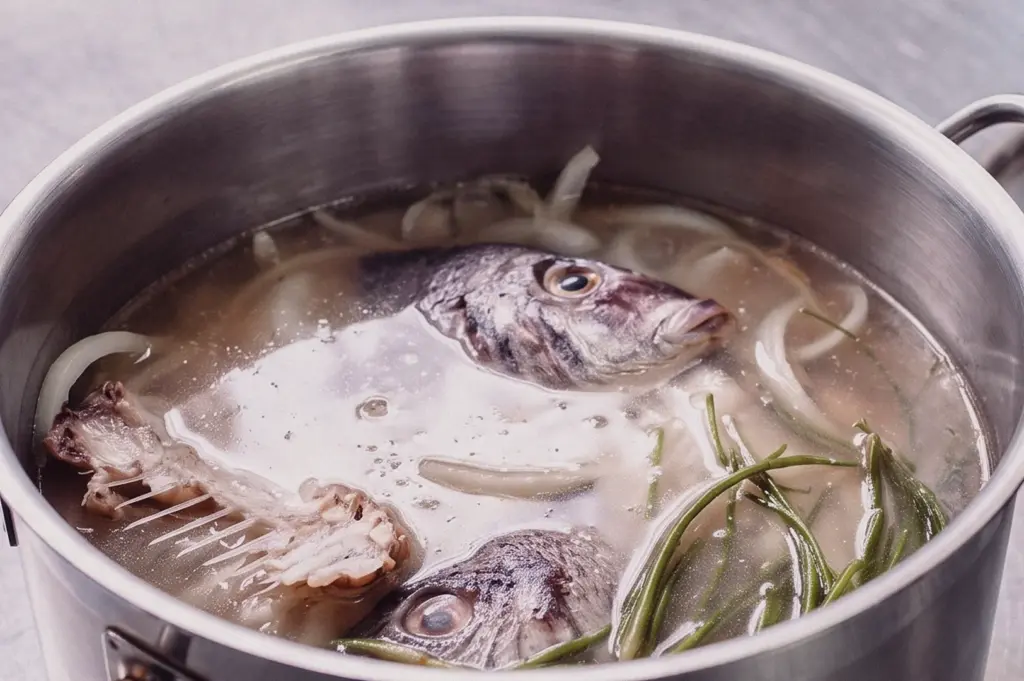
Fish bones carry savoury depth. So do the small amounts of flesh, skin and fat still attached to them. As the bones simmer, that savouriness moves into the water. This is where a broth gets its taste of fish rather than just salt.
Flesh on its own gives a thinner result. The frame holds more of what a broth needs. That is why kitchens value bones instead of throwing them away.
Body
Bones and the connective tissue around them hold collagen. Under steady heat, collagen breaks down into gelatin. Gelatin gives a broth weight on the tongue and a light, coating feel.
This is the difference between a broth that feels watery and one that feels full. That fullness comes from the bones, not from a thickener.
Why Bones Can Turn a Broth White
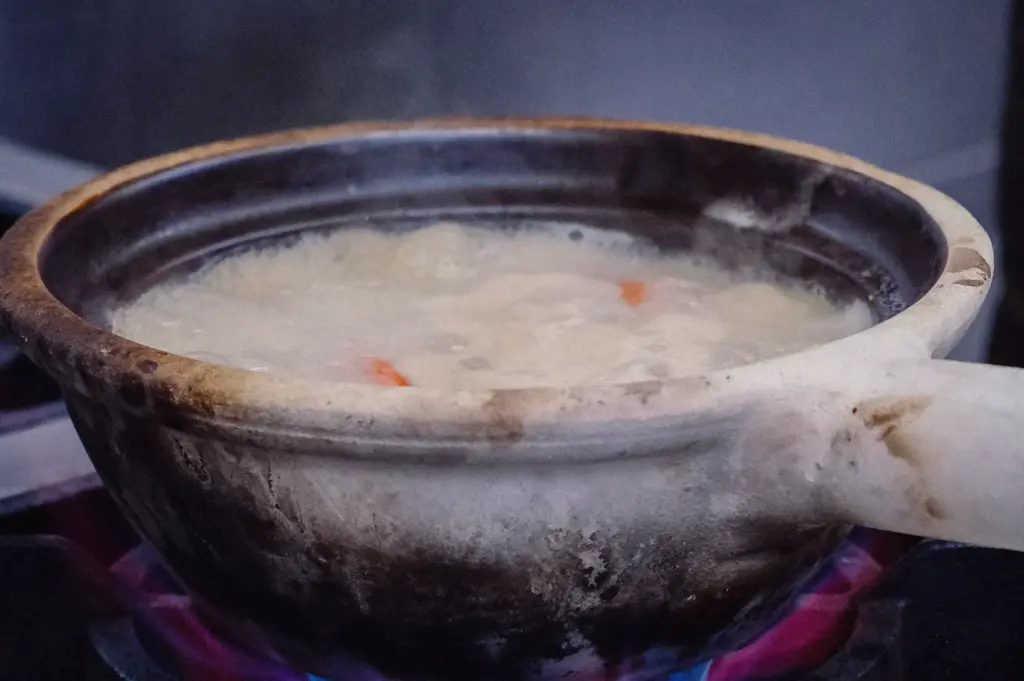
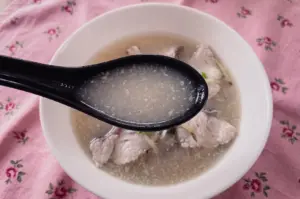
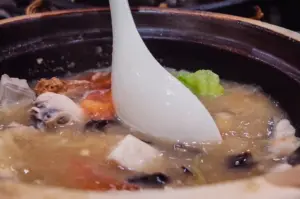
As bones cook, they release collagen along with small amounts of fat and protein. Gelatin helps keep these fine particles spread evenly through the liquid. Light catches them, and the broth turns pale and opaque.
That is how a broth can look milky without containing any milk. Our broth is milky ivory for this reason. There is no evaporated milk and no shell or siput base. The soup is white because the bones give everything.
Preparing Bones Before They Go in
Bones carry flavour. They also carry blood. Bloodlines along the spine and any leftover gills turn bitter and metallic once heated. Left in the pot, they can spoil a whole batch.
Cooks deal with this by cleaning the bones thoroughly before cooking. That means rinsing away blood and removing anything that shouldn't be there. It is slow, unglamorous work. It also decides how clean the broth tastes.
Heat and Time Decide What Comes Out
Bones give up different things under different conditions. Controlled heat draws out savouriness and collagen. Pushing the pot too hard, or for too long, starts pulling out stale, oily notes instead.
If you'd like more on cooking temperature fish soup, our journal covers it in a separate guide. The short version is simple. More heat does not mean more flavour.
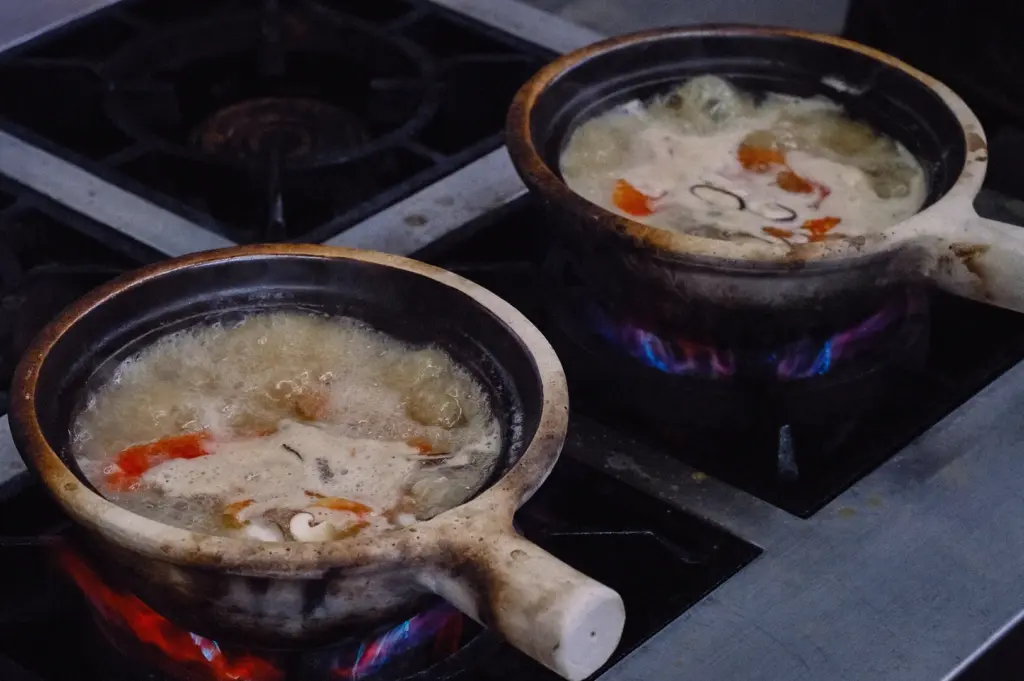
Our broth takes roughly an hour. The founder's father made his soup without a fixed written recipe. Chef Kee Leng, who is also a partner, balanced and refined it into the version we serve today. He set the ratios, heat and timing so the kitchen can make the same bowl each service. Consistency was the goal. Length never was.
How Our Broth Uses Bones
Articles ranking the Singapore Best Fish Soup spots tend to focus on the fish in the bowl. The broth underneath deserves just as much attention, because that is where the bones show up.
Ours starts with batang bones. They simmer with chicken and tee poh, the dried sole fillet. Each ingredient has its own job.
- Batang bones give collagen, body and the broth's milky ivory colour.
- Chicken adds a soft savoury base underneath.
- Tee poh brings concentrated depth, since drying leaves the flavour behind.
The bones carry the broth. The other two support it.
That broth is there to hold up the fish, not to cover it. Grandpa's Pomfret Soup, named in honour of the founder's father, is finished with generous pomfret slices, sng buay (sour plum), kiam chye (salted mustard) and julienned ginger. The pomfret stays at the centre of the bowl.
Good Bones Start with Knowing Fish
A broth built on bones depends on the fish those bones come from. Knowing fish is not something a new kitchen learns quickly.
The founder's grandfather worked at the foot of Fort Canning with a pole across his shoulders. The trade grew through a small factory into Hai Sia Seafood at Jurong Fishery Port, now run by the founder's brother.
Hai Sia Seafood supplies our kitchen today. Fewer hands sit between the fish and the bowl. That gives us more control over what goes into the pot. You can see more about the restaurant and the rest of the menu on our homepage. The restaurant is new. The family's knowledge of fish is not.
Key Takeaways
- Bones give a broth two things: savoury flavour and body.
- Collagen from bones turns into gelatin, which makes a broth feel full.
- A broth can turn white from bones alone, with no milk.
- Blood and gills must be cleaned off first, or the broth turns bitter.
- Controlled heat and consistent timing matter more than a long simmer.
Taste It for Yourself
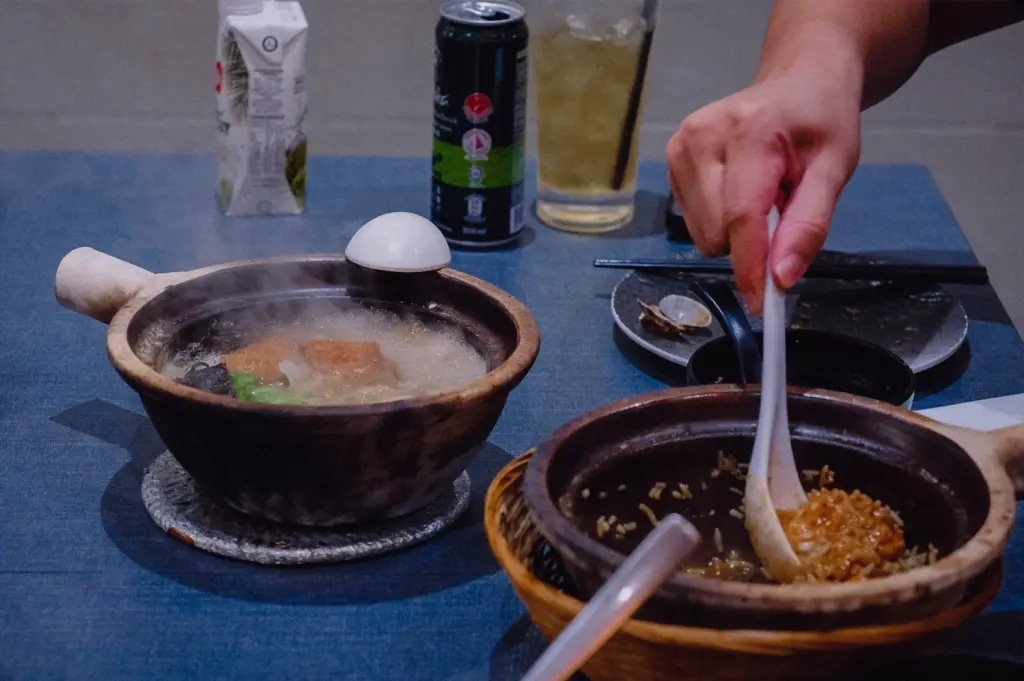
Bones decide how a broth tastes and how it feels. Clean bones, steady heat and fixed ratios give you a broth worth building a bowl on.
To taste what bones can do, visit Hup Lok on Havelock Road and order Grandpa's Pomfret Soup. Try a spoonful of the broth on its own first, before you add the condiments.