People often ask what goes into a good pomfret soup, expecting a long list of aromatics. The truth is shorter than that. Grandpa's Pomfret Soup ingredients come down to a broth built from bones and three condiments that each do one job. Nothing is added for show. If you want to see how this thinking runs through the food, you can explore what the restaurant is known for, but the short version is this: the fish stays the centre, and everything else is there to serve it.
This guide walks through what's actually in the bowl and why. Here's what you'll take away:
- What the broth is made from, and why it's white
- The three condiments that finish the dish, and what each does
- Why some common aromatics aren't in this soup
Start with the Broth, Not the Garnish
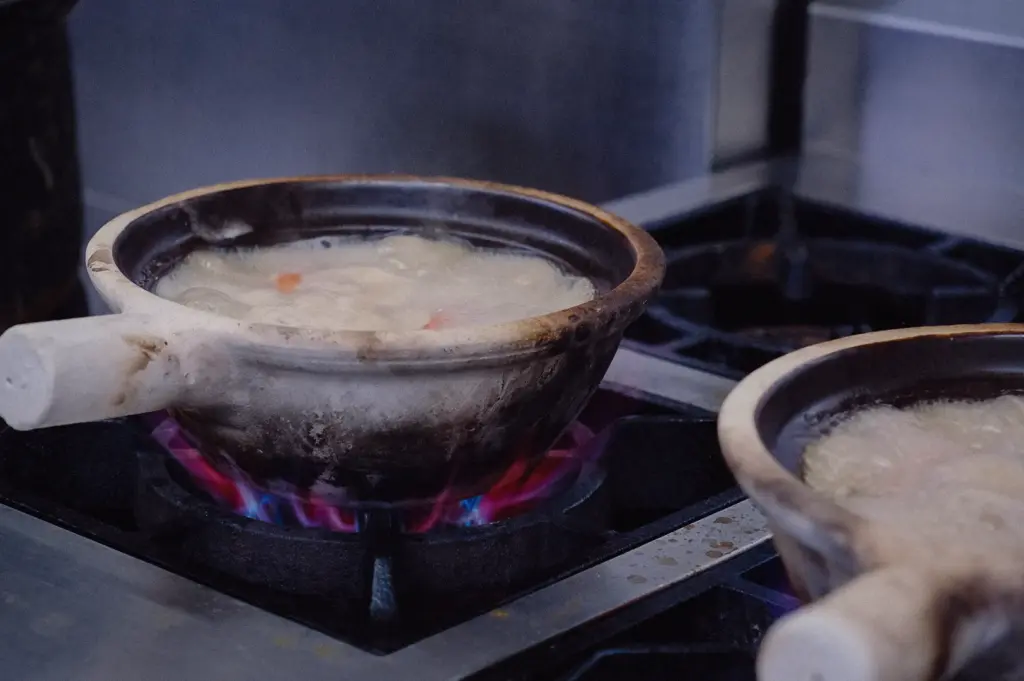
Before the condiments, there's the broth. That's where the work sits.
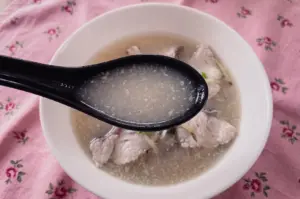
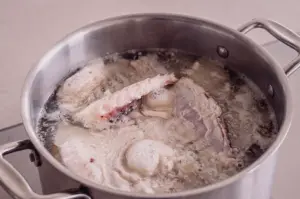
The broth is made from batang bones simmered with chicken and tee poh, the dried sole fillet. It cooks until the collagen renders out and gives the soup a naturally milky ivory body. There's no evaporated milk and no shell base. The soup is white because the bones give everything.
That last point matters more than it sounds. A lot of white fish soups get their colour from dairy poured in at the end. This one doesn't. The body you taste is rendered collagen, built in the pot rather than added at the finish. Get the broth right, and the aromatics have something worth supporting.
The Three Condiments that Finish the Bowl
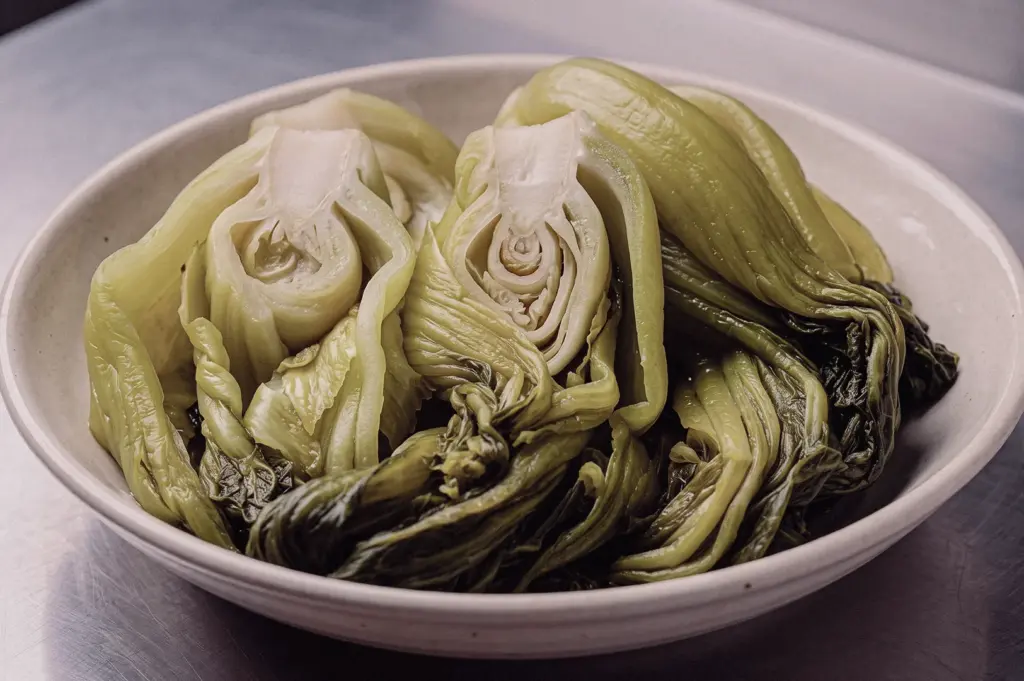
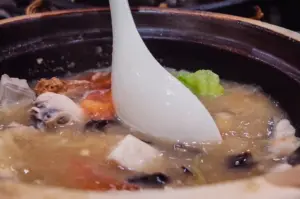
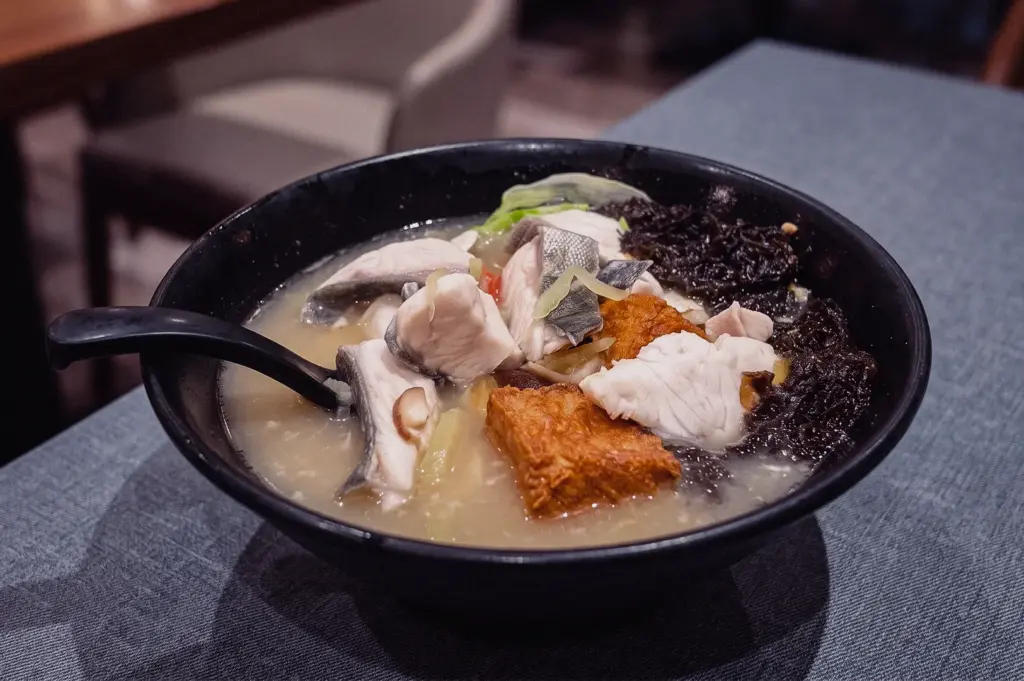
Grandpa's Pomfret Soup is finished with generous pomfret slices and three traditional Teochew condiments. Each has a clear purpose.
- Sng buay (sour plum) brings the sourness. It brightens the broth and cuts through the richness the collagen brings, so the soup doesn't sit heavy on the tongue. A rich broth without acidity can feel flat after a few spoonfuls. The sour plum keeps it lively.
- Kiam chye (salted mustard) adds the savoury, salted edge. It gives the broth depth and a slight tang, the kind of savoury note that makes you want the next spoonful. It works against the sour plum, not with it, and that tension is the point. Sour on one side, salted on the other, with the fish in the middle.
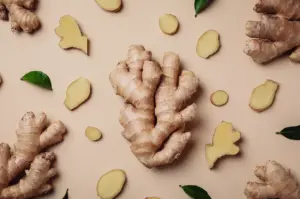
- Julienned ginger does the lifting. It cuts any hint of fishiness and adds a clean, warm note over the top. Cut fine, it spreads through the bowl without any single piece taking over. Ginger and fish is an old pairing for a reason.
Three condiments, three jobs. None of them shouts over the pomfret, and that restraint is deliberate.
Why the Fish Stays the Centre
Here's the thread running through all of it. The aromatics frame the fish. They don't lead it.
Pomfret has fine, tender flesh that flakes apart gently and turns almost silky when it's cooked right. The flavour is mild and clean, with a quiet sweetness. That gentleness is easy to lose. Pile on strong aromatics and you bury the very thing you came to eat.
So the seasoning is kept light on purpose. The sour plum, salted mustard and ginger sharpen the edges of the broth and let the pomfret's sweetness come through. Taste the fish first, then the broth, and you'll notice the condiments working quietly underneath rather than fighting for attention.
Why Some Aromatics aren't in this Soup
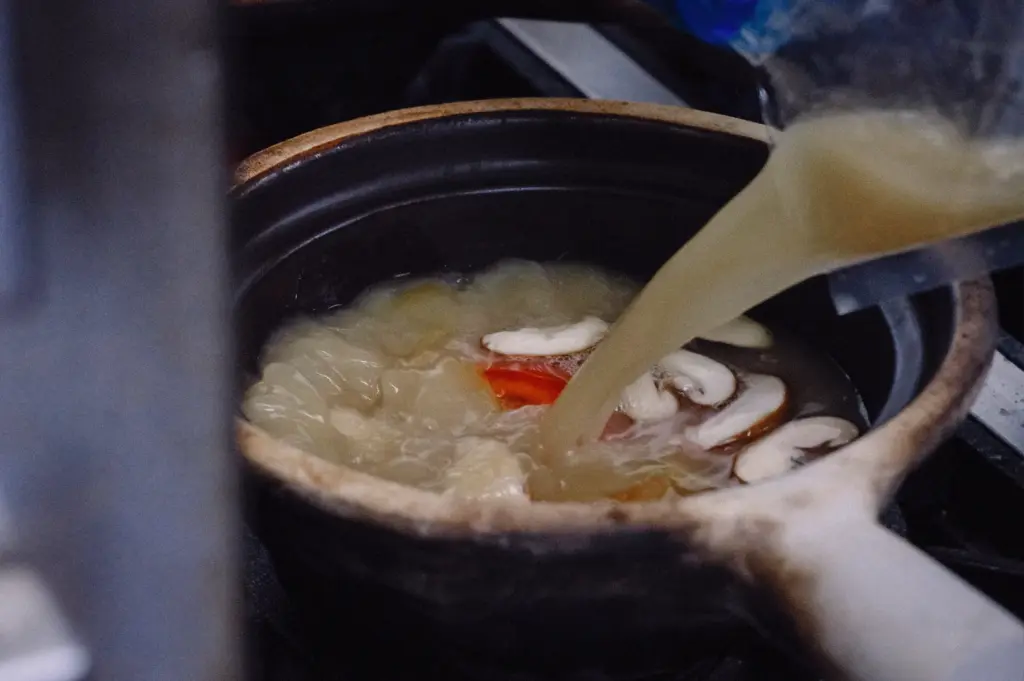
You'll find pomfret soups elsewhere with shiitake, tomato, tofu or a splash of hua tiao wine. Those are real dishes with their own logic. They're just not this one.
Each of those additions changes the bowl. Shiitake brings an earthy weight. Tomato brings a different kind of sourness and colour. Hua tiao wine brings a warming, aromatic note. All of them pull the soup somewhere, and all of them risk crowding a delicate fish. This version leaves them out because the aim is a clean broth that keeps pomfret at the centre.
That's not a rule about right and wrong. It's a choice about what this particular soup is trying to do. Fewer moving parts, more focus on the fish.
The Knowledge Behind the Simplicity
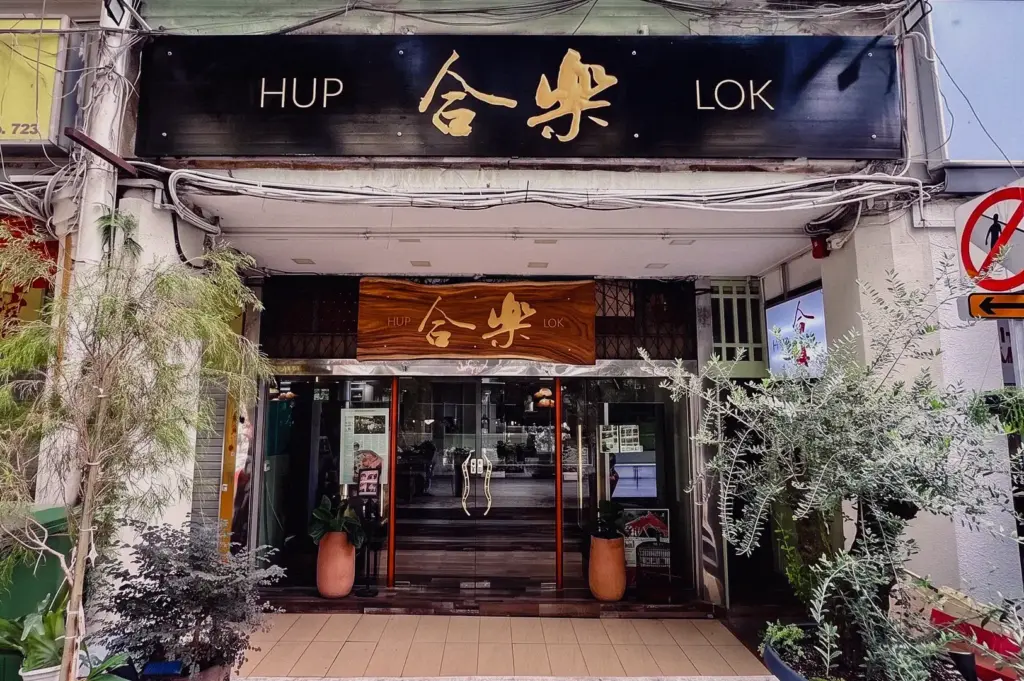
A short ingredient list looks simple, but it takes knowing fish to trust it.
Hup Lok grew out of three generations working in the fish trade, from the founder's grandfather selling fish at the foot of River Valley, to the family trade at Jurong Fishery Port, now run by the founder's brother. People who've handled fish that long know when to stop adding things. They let the pomfret and the broth carry the bowl, and season only enough to sharpen it.
So the ingredients aren't a long list. They're a broth that gives everything, a fish that stays soft, and three condiments that know their place. If you'd like to learn more about the food and the family behind it, start there.
To taste how the three condiments frame the fish, drop by Hup Lok on Havelock Road and order Grandpa's Pomfret Soup.