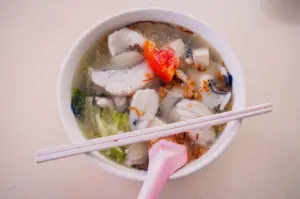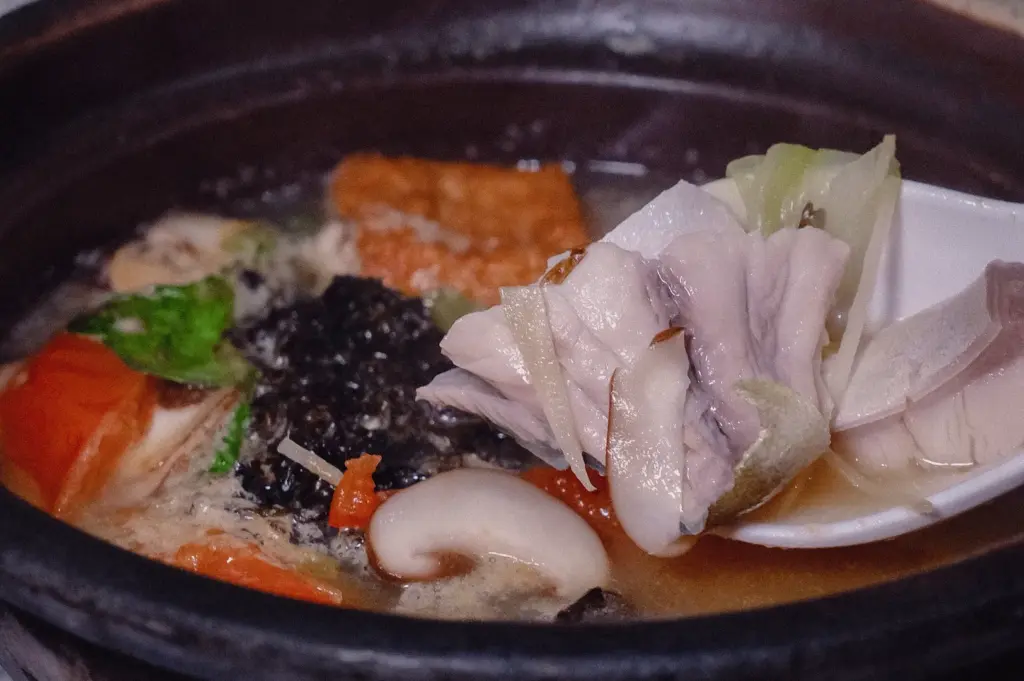
Pomfret is a soft, delicate fish. That is exactly why freshness matters so much in a bowl of pomfret fish soup. With a firm fish, a day or two can slip past without much notice. With pomfret, it shows up on the spoon straight away. The flesh is fine and gentle, so any drop in quality has nowhere to hide.
This guide explains how freshness affects the taste and texture of pomfret in soup, and why it decides whether the bowl works. Here is what we will cover:
- How freshness changes pomfret's texture
- How it shapes the taste
- Why the broth can't rescue a fish past its best
- What good handling actually looks like
Freshness and Texture: Why a Soft Fish Shows Its Age
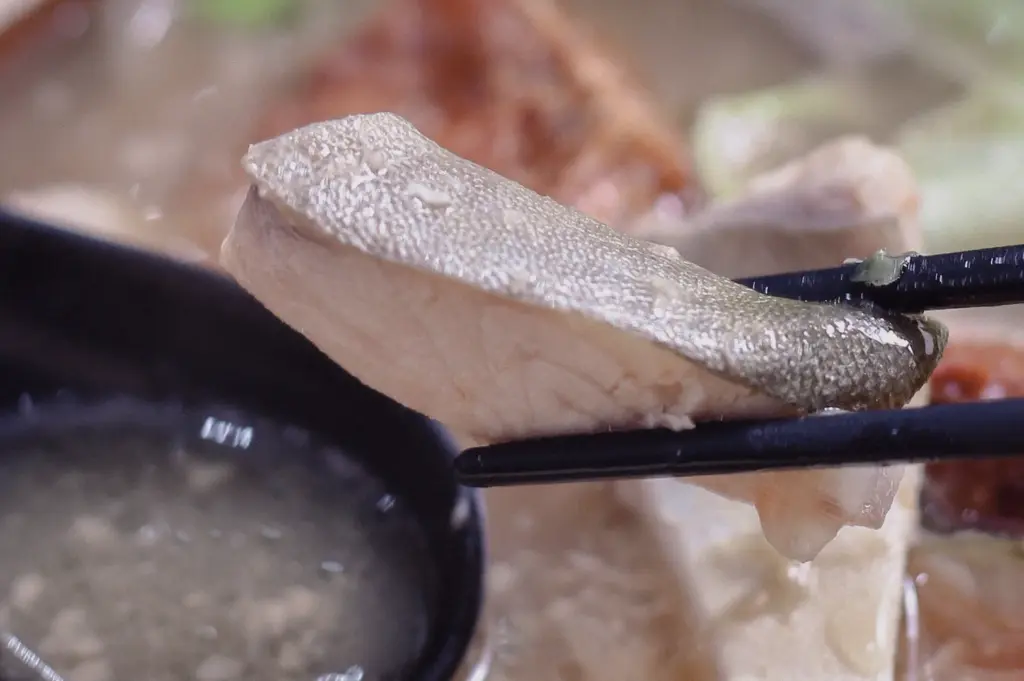
Fresh pomfret has fine, tender flesh that flakes apart gently. In hot broth, that softness turns almost silky. It is a light, clean mouthful, and it is the whole reason people order the fish.
Let the fish sit too long before it reaches the pot, and that quality slips. The flesh loses its spring, turns soft in the wrong way, and can go mushy or stringy once cooked. A firm fish forgives some of this. Pomfret does not. So freshness isn't a nice-to-have here. It is the difference between silky and disappointing.
This is why sourcing matters at the Hup Lok restaurant. The family has spent three generations working with fish, from the founder's grandfather at Hup Seng Huat market before dawn to Hai Sia Seafood at Jurong Fishery Port, now run by the founder's brother. That knowledge is about knowing what good fish looks and feels like before it goes anywhere near a bowl.
Freshness and Taste: A Gentle Sweetness that Fades
Fresh pomfret has a mild, clean sweetness. It doesn't taste strong or overly fishy. That gentle flavour is subtle, which is a strength, but it is also fragile.
As the fish ages, that clean sweetness dulls and a heavier, fishier note creeps in. On a robust fish in a strong broth, you might not notice. On pomfret, which leads with quiet sweetness, you notice fast. The taste that made the fish worth choosing is the first thing to go. Fresh handling is what keeps that sweetness on the plate.
The Broth Can't Fix a Fish Past Its Best
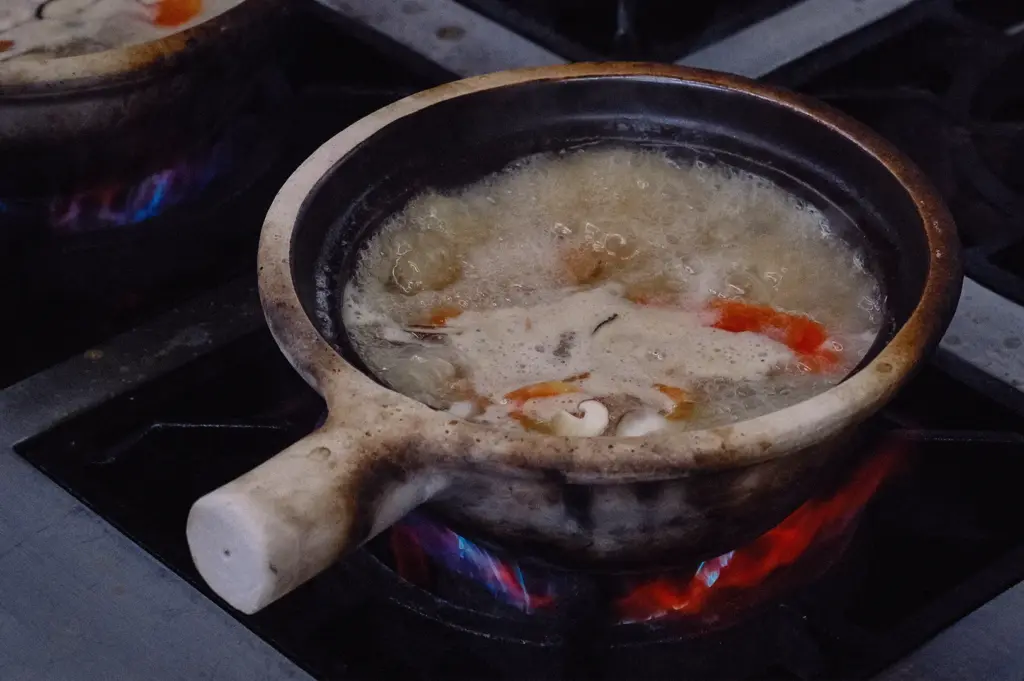
It is tempting to think a good broth will cover any weakness in the fish. With pomfret, it won't.
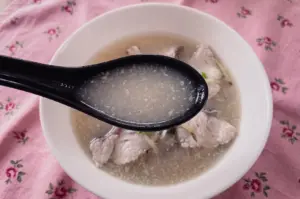
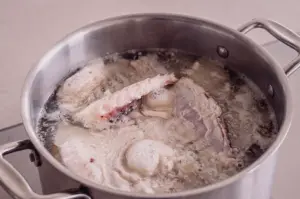
At Hup Lok, the broth is made from batang bones simmered with chicken and tee poh, the dried sole fillet, until the collagen gives it a naturally milky ivory body. There is no evaporated milk and no shell base. The soup is white because the bones give everything. It is a rich broth built to support the pomfret, not to mask it.
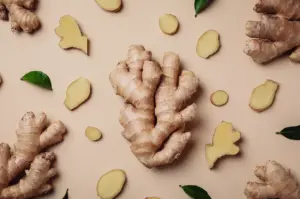
That is the point. A broth designed to let the fish lead can only do its job if the fish is worth leading with. The pomfret stays the centre of the bowl, finished simply with sng buay, kiam chye and julienned ginger. Those condiments frame the fish. They don't hide it. So the fresher the pomfret, the better the whole bowl reads.
What Good Handling Looks Like
Freshness isn't only about the moment a fish leaves the water. It is about how many hands it passes through and how it is kept along the way.
Every extra step between the sea and the bowl is another chance for quality to slip. Hup Lok is supplied through Hai Sia Seafood and buys selected seafood directly from Japanese producers. The aim is fewer hands between the fish and the bowl. Fewer hands means more control over how the seafood is handled, which matters most for a fish as delicate as pomfret.
There is one more habit worth knowing, and it is on your side of the table. Pomfret keeps cooking in the hot broth after it reaches you. Even the freshest fish turns dry and firm if you leave it too long. So eat the fish early, while it is still silky, then work through the broth at your own pace. Good sourcing gets the fish to you at its best. Eating it early keeps it there.
The Takeaway
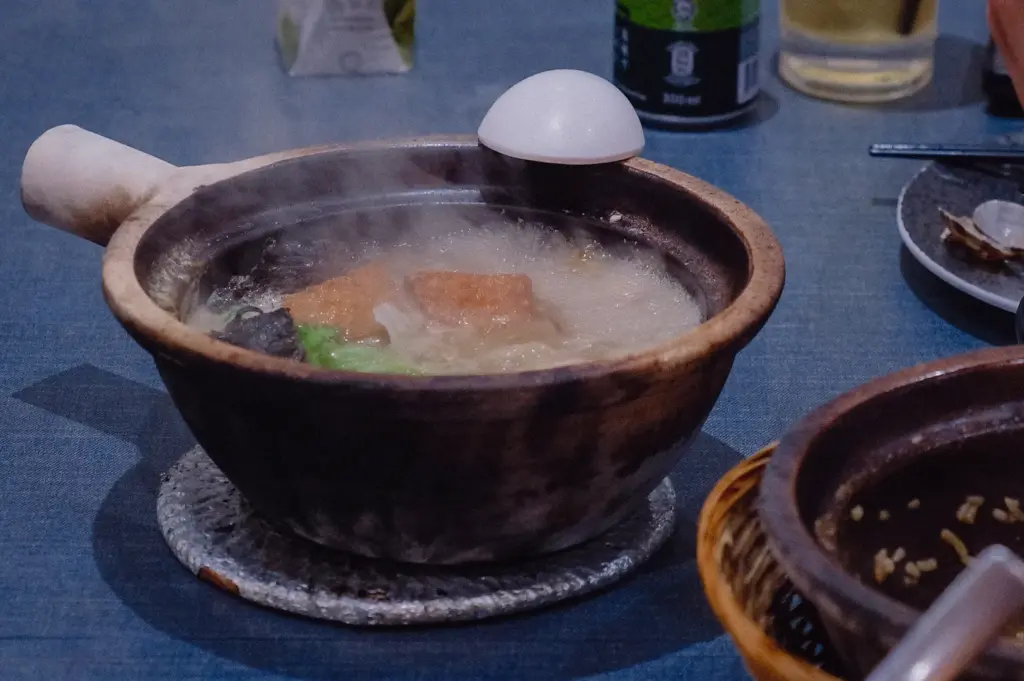
Pomfret rewards freshness more than most fish because it has nowhere to hide. Fresh, it is silky and quietly sweet. Past its best, it turns soft in the wrong way and loses that clean taste, and no broth can bring it back. That is why the work happens long before the bowl reaches the table: knowing good fish, keeping fewer hands between
the sea and the pot, and building a broth that supports the fish rather than covers it.
If you want to taste what fresh pomfret should be, Hup Lok's fish soup is built around it. Drop by Hup Lok on Havelock Road, order Grandpa's Pomfret Soup, and eat the fish first while it is still tender.