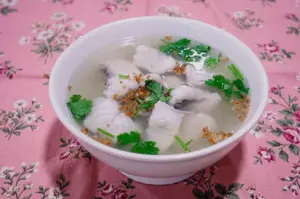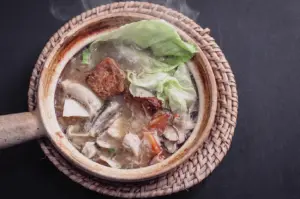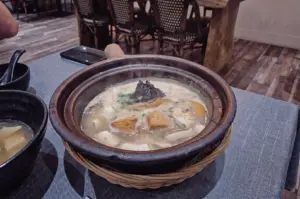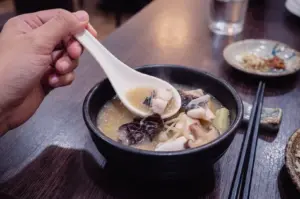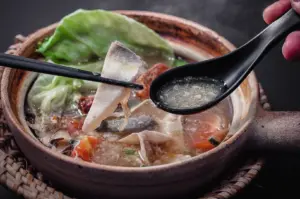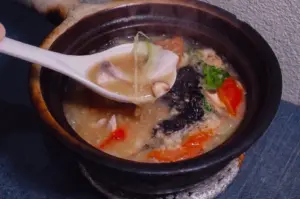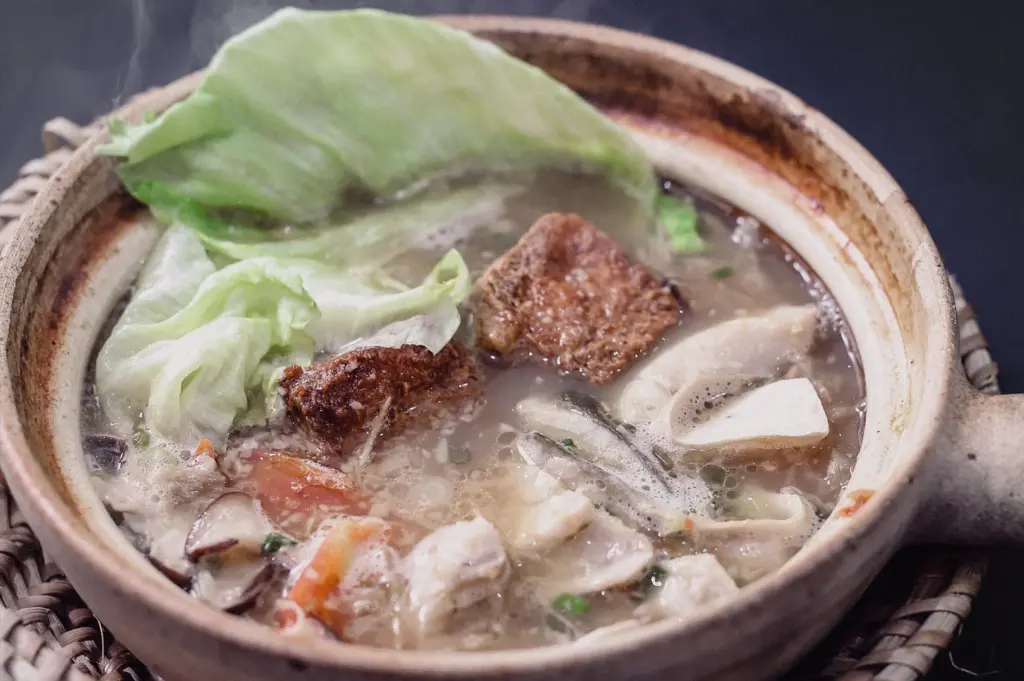
A bowl of hot pomfret soup lands in front of you, and it's tempting to sip the broth first. Understandable, since it smells good. But the eating order for pomfret soup matters more than most people think, and the fish is the part with a clock on it. Eat the pomfret first. The broth can wait.
This guide explains why. You'll learn what residual heat does to a soft fish, why the order changes how the bowl tastes, and how to get the most out of every slice.
The Fish Keeps Cooking After It Reaches You
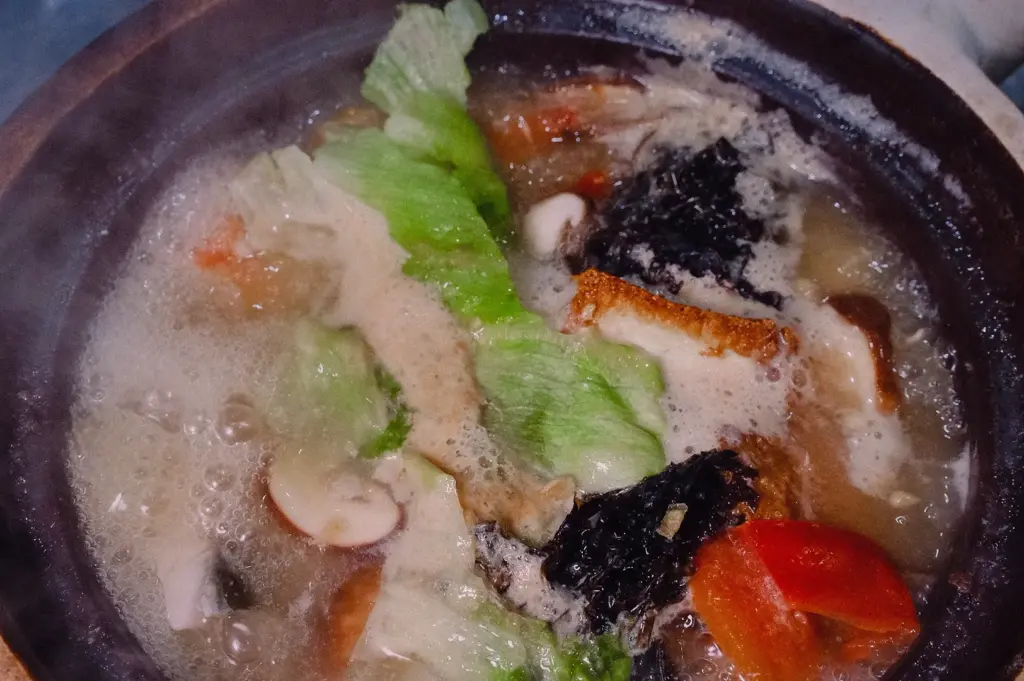
Pomfret has fine, tender flesh that flakes apart gently. Cooked right, it turns almost silky, with a mild, clean sweetness that doesn't taste strong or overly fishy. That softness is the whole appeal.
Here's the catch. A hot broth doesn't stop working just because the bowl left the kitchen. The soup holds a lot of heat, and the fish sitting in it keeps cooking. Leave the slices too long and they firm up, dry out, and lose the silky texture that made them worth ordering. The fish that was tender at minute one is stringy by minute ten.
This is why the eating order matters. The pomfret in Hup Lok's fish soup is served at its best the moment it arrives, and every minute after that is borrowed time. Take the fish early. That's when it's exactly as it should be.
Why the Broth Can Wait but the Fish Can't
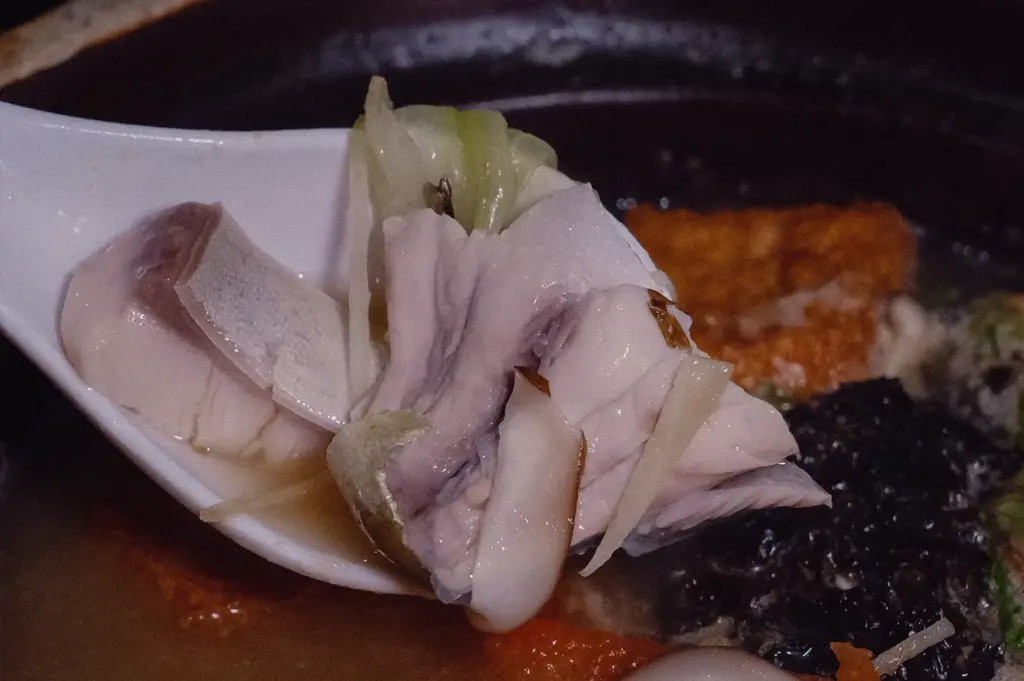
The broth is built to hold. The fish is not.
The broth is made from batang bones simmered with chicken and tee poh, the dried sole fillet, until the collagen gives it a naturally milky ivory body. There's no evaporated milk and no shell base. The soup is white because the bones give everything. That richness doesn't spoil while you eat. If anything, it sits happily in the bowl, steady and warm, ready whenever you turn to it.
The pomfret is the opposite. It's delicate by nature, and heat is not its friend once it's already cooked. So the sensible order is simple: fish first, broth after. One part has a deadline. The other doesn't.
The Condiments Follow the Same Logic
Grandpa's Pomfret Soup is finished with sng buay (sour plum), kiam chye (salted mustard) and julienned ginger. Each does one job. The sour plum brightens, the salted mustard adds a savoury edge, and the ginger lifts the broth.
They frame the fish rather than lead it, which is another reason to eat the pomfret while it's at its peak. Taste the fish first, clean and sweet, then let the condiments do their quiet work as you move through the broth. Rush past the fish and you miss the part the whole bowl is built around.
How to Eat the Bowl
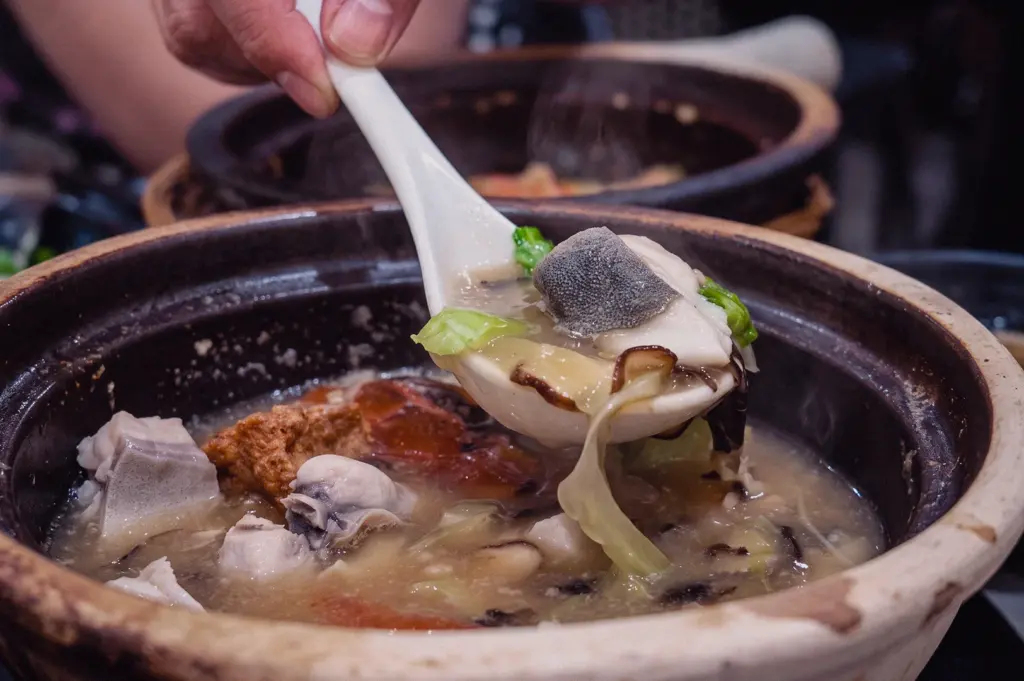
Here's the plain version. When the bowl arrives, go for the pomfret slices first, while they're still tender and silky. Don't let them sit and stew in the heat.
Then take the broth at your own pace, with the condiments doing their part. There's no rush from that point on, because the soup holds its body and flavour. You've caught the fish at its best and left the durable part for last. That's the order that respects what's in the bowl.
The Care Behind the Timing
None of this is fussiness. It comes from knowing how a soft fish behaves.
Hup Lok grew out of three generations working in the fish trade, from the founder's grandfather selling fish at the foot of River Valley, to Hai Sia Seafood at Jurong Fishery Port, now run by the founder's brother. People who've handled fish that long know exactly how little time a delicate one needs. Fewer hands between the fish and the bowl means the pomfret arrives in a state worth eating gently, which is part of what earns a bowl the name Best Fish Soup in Singapore. The kitchen does its part on timing. The eating order is yours.
So next time a bowl lands in front of you, eat the fish first. To try it for yourself, drop by Hup Lok on Havelock Road and order Grandpa's Pomfret Soup.