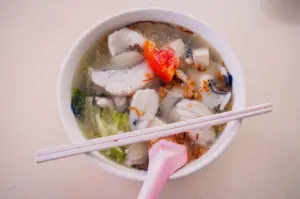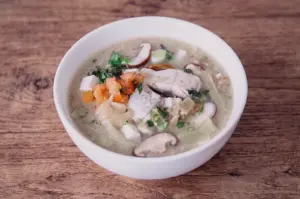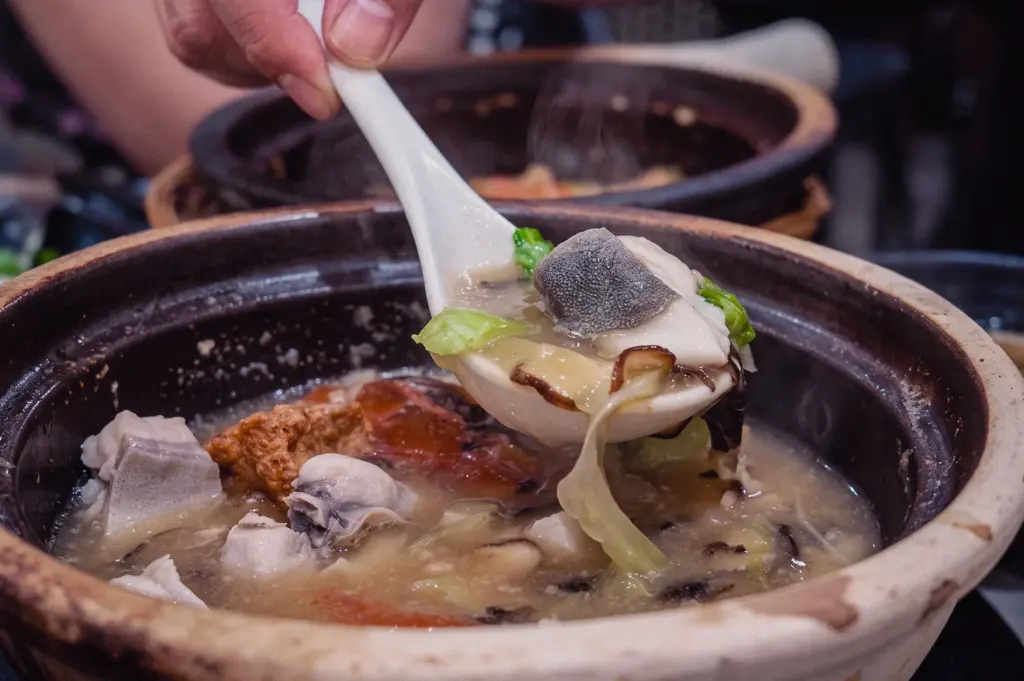
A bowl of pomfret fish soup looks simple. Fish, broth, a few condiments, done. But the gap between a forgettable bowl and a good one is wide, and most of it comes down to details you can taste before you can name. This guide walks through the markers of a well-made pomfret fish soup, so you know what to look for the next time a bowl lands in front of you.
Start with the Fish
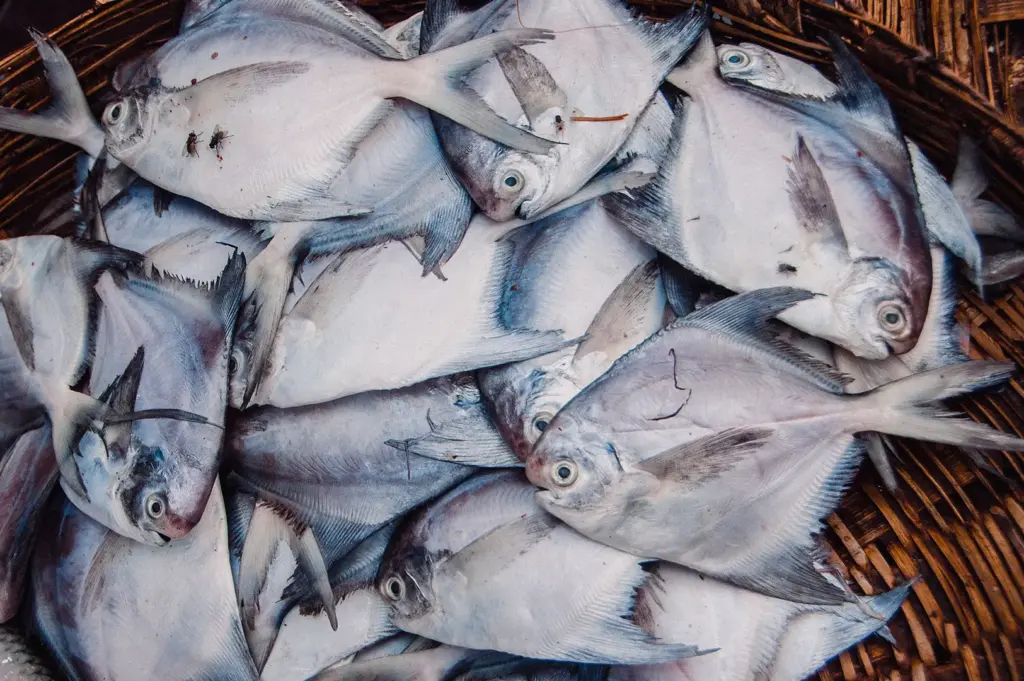
The pomfret is the point of the bowl, so it's the first thing to judge.
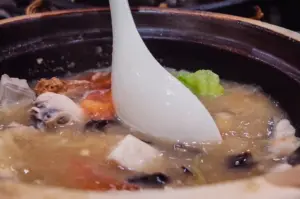
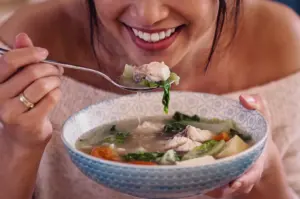
Good pomfret has fine, tender flesh that flakes apart gently on the spoon. Cooked right, it turns almost silky, with a mild, clean sweetness that doesn't taste strong or overly fishy. That softness is the whole appeal. It's also the first casualty of a careless kitchen.
The tell-tale sign of a good bowl is fish that's still tender when it reaches you. Pomfret keeps cooking in hot broth, so a soft fish that sits too long turns dry and stringy. A well-made bowl gives you generous slices at the right moment, not slivers that have already gone past their best. If the fish is silky rather than firm and dry, someone in the kitchen was watching the timing. That care is the first marker.
Then Judge the Broth
The broth is where a lot of bowls quietly cut corners.
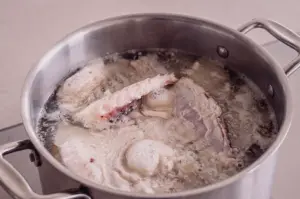
A rich, white soup can be built two ways. The honest way is to render body from bones and time. The shortcut is to pour in evaporated milk at the end and call it done. They look similar in the bowl. They taste different on the tongue, because dairy sits over the fish while rendered collagen sits under it.
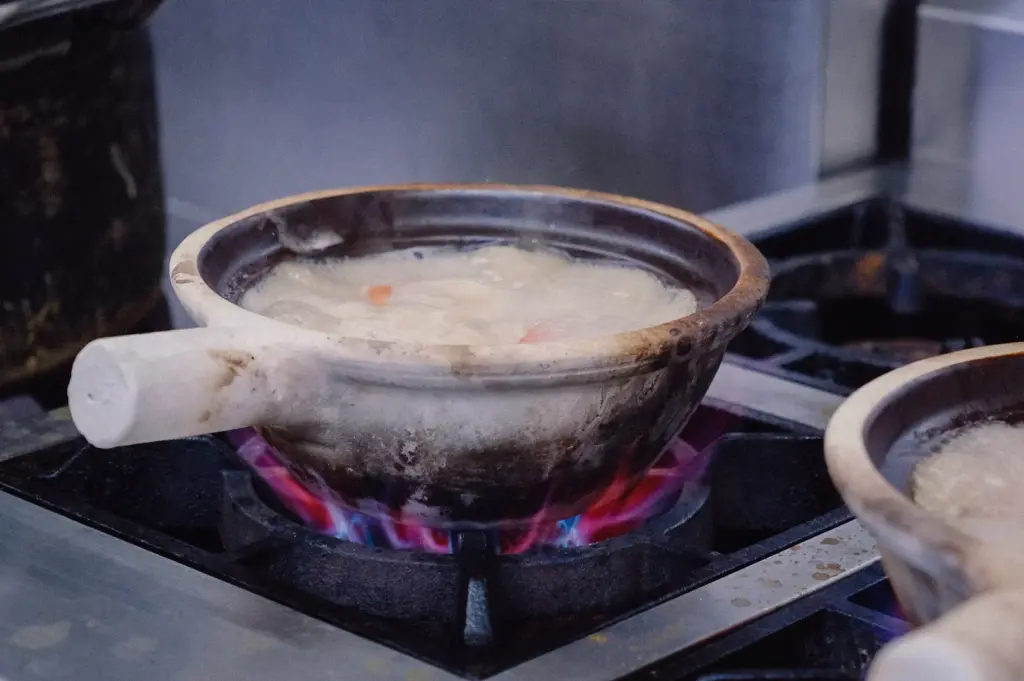
At Hup Lok, the broth is made from batang bones simmered with chicken and tee poh, the dried sole fillet, until the collagen gives it a naturally milky ivory body. There's no evaporated milk and no shell base. The soup is white because the bones give everything. That whiteness is what the pot produces, not something added at the finish. You can see how the rest of the dishes follow the same thinking across Hup Lok's full menu.
So a good broth has real body without a dairy note. It should feel slightly sticky on the lips, carry a gentle richness, and still let the fish's sweetness through. If the broth tastes of milk more than fish, that's a sign of the shortcut. A well-made bowl keeps the fish at the centre and lets the broth support it.
Look at the Condiments
Teochew condiments do quiet work, and a good bowl uses them with restraint.
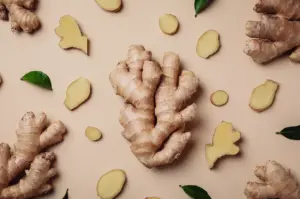
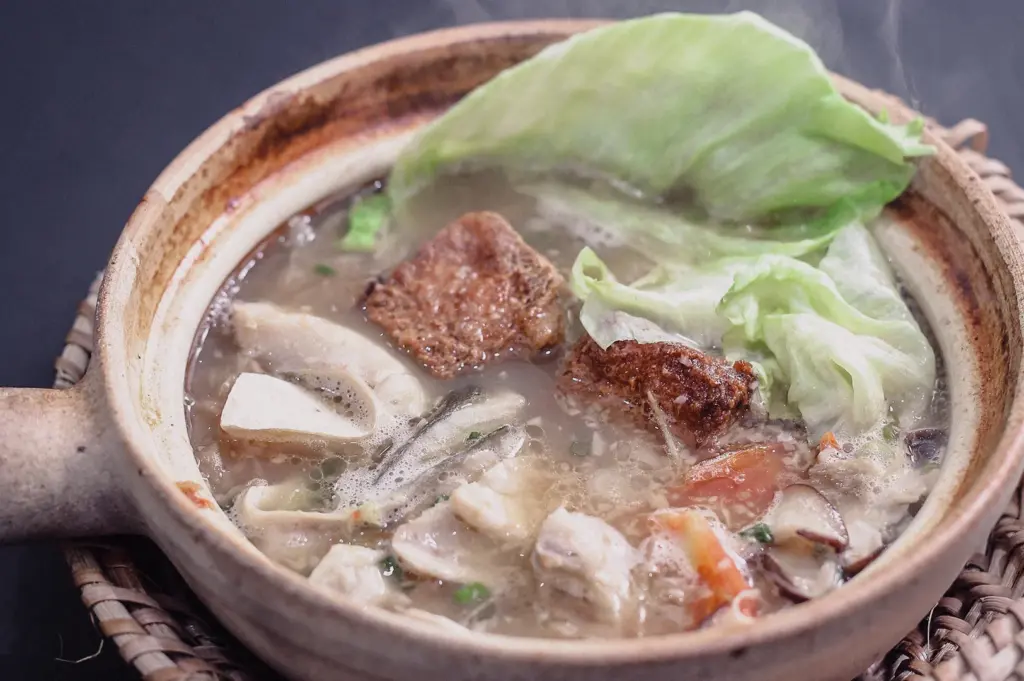
Grandpa's Pomfret Soup is finished with sng buay (sour plum), kiam chye (salted mustard) and julienned ginger. Each does one job. The sour plum brightens, the salted mustard adds a savoury edge, and the ginger lifts the broth. None of them should overpower the fish. They're there to frame it, not to lead.
That balance is a marker in itself. If the condiments shout over the pomfret, the bowl has lost its centre. A good one lets you taste the fish first and the seasoning second.
Consistency is the Hidden Marker
Here's the part you can't see in a single bowl, but it matters more than any of them.
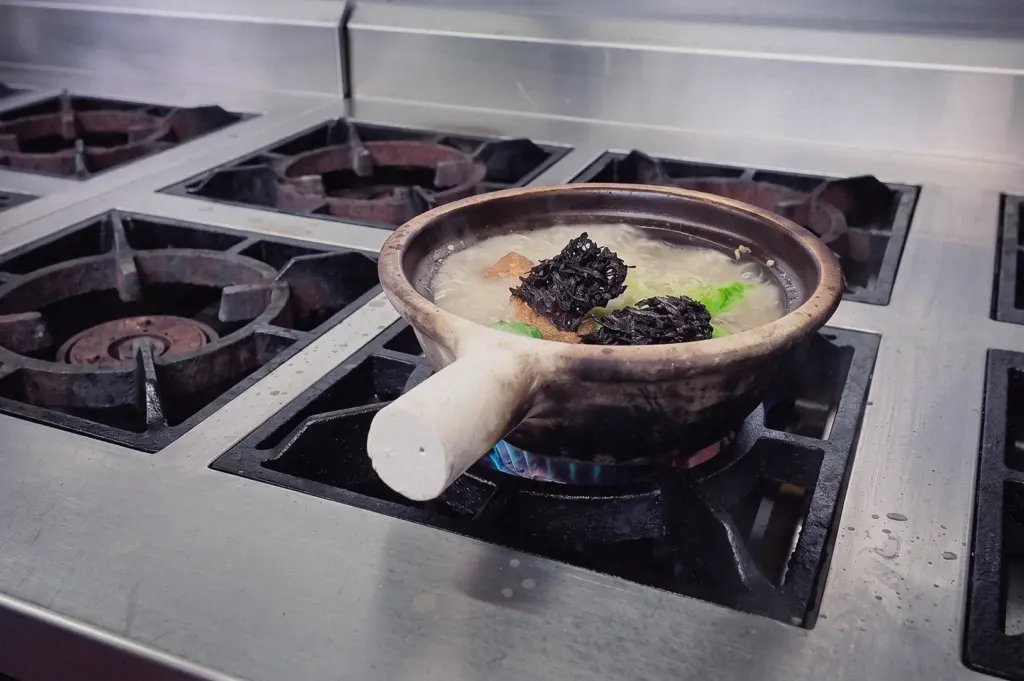
A good pomfret fish soup isn't a lucky bowl. It's the same bowl, every service. That's harder than it sounds, because the founder's father's soup had no fixed written recipe. Chef Kee Leng, who is also a partner, balanced and refined it into the version served today, getting the ratios, heat and timing right so the kitchen can reproduce it each time.
The important point isn't a long cooking time. The broth takes roughly an hour, not a full day. What makes it repeatable is the discipline around timing, not a marathon simmer. A bowl that's good once is chance. A bowl that's good every visit is the real marker.
The Knowledge Behind the Bowl
You can taste care. You can't always taste where it comes from.
Hup Lok grew out of three generations working in the fish trade, from the founder's grandfather at River Valley before dawn, to his father at Mei Ling market, to Hai Sia Seafood at Jurong Fishery Port, now run by the founder's brother. People who've handled fish that long know how a soft fish behaves, how little time it needs, and how to build a broth that lets it lead. That's the difference between a bowl that guesses and a bowl that knows.
Fewer hands between the fish and the bowl also helps. More control over how the seafood is handled means the pomfret arrives in a state worth cooking gently. For a delicate fish, that handling does half the work before the heat is even on. It's what makes a fish soup worth returning to rather than a one-time try.
Putting It Together
A good pomfret fish soup comes down to four things you can check. Tender, silky fish that hasn't sat too long. A broth with real body from bones, not dairy. Condiments that frame the fish instead of burying it. And a bowl that tastes the same each time you order it.
To taste all four in one bowl, drop by Hup Lok on Havelock Road, order Grandpa's Pomfret Soup, and eat the fish first while it's still silky.