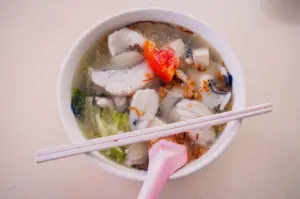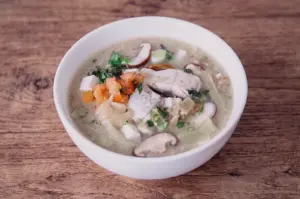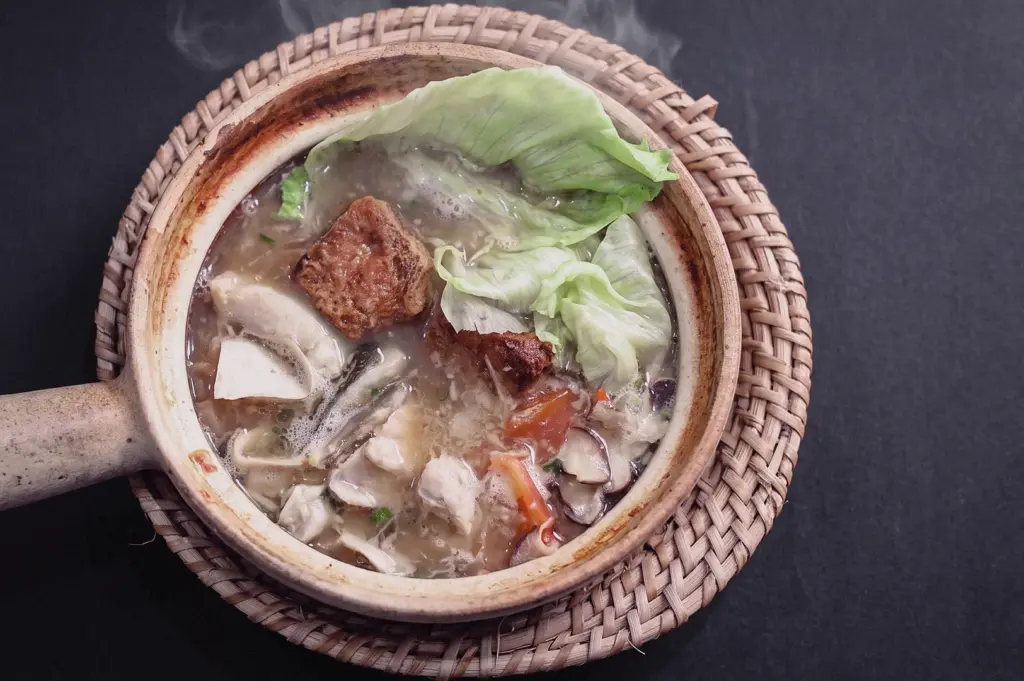
Most people who ask what makes fish soup sweet expect a hidden ingredient. The real answer is more ordinary. A good fish soup tastes sweet because of what is already inside the fish, the bones and the other ingredients, and because of how carefully the kitchen draws it out.
This guide explains where that sweetness comes from, ingredient by ingredient. It covers bones, dried fish, chicken, collagen, heat and the condiments that sit beside the bowl. By the end, you'll know what to taste for, and why some bowls have that sweetness while others taste flat.
Sweetness Starts in the Fish Itself
Seafood contains small compounds called free amino acids. Some of them, such as glycine and alanine, register on the tongue as sweet. This is why good fish can taste sweet even when no sugar is involved.
The same applies to any style of soup. A clear fish soup and a milky one draw on the same basic source. The difference lies in what else goes into the pot and how much of the fish is extracted. If you're curious about the clear style, you can read about why clear fish soup is harder to make than it looks.
Handling matters here too. How fish is stored and moved affects how it tastes in the pot. Sweetness begins long before the stove.
Bones: The Base of the Broth
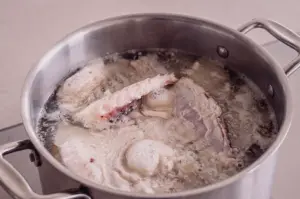
At Hup Lok, the broth for Grandpa's Pomfret Soup starts with batang bones. Bones carry flavour from the fish along with connective tissue. As they simmer, both move into the liquid.
This gives the broth a fish-based sweetness from the start. It doesn't come from a stock cube or a shell base. There is no shell or siput in the pot at all. The fish does the work.
Tee Poh: Concentrated Depth
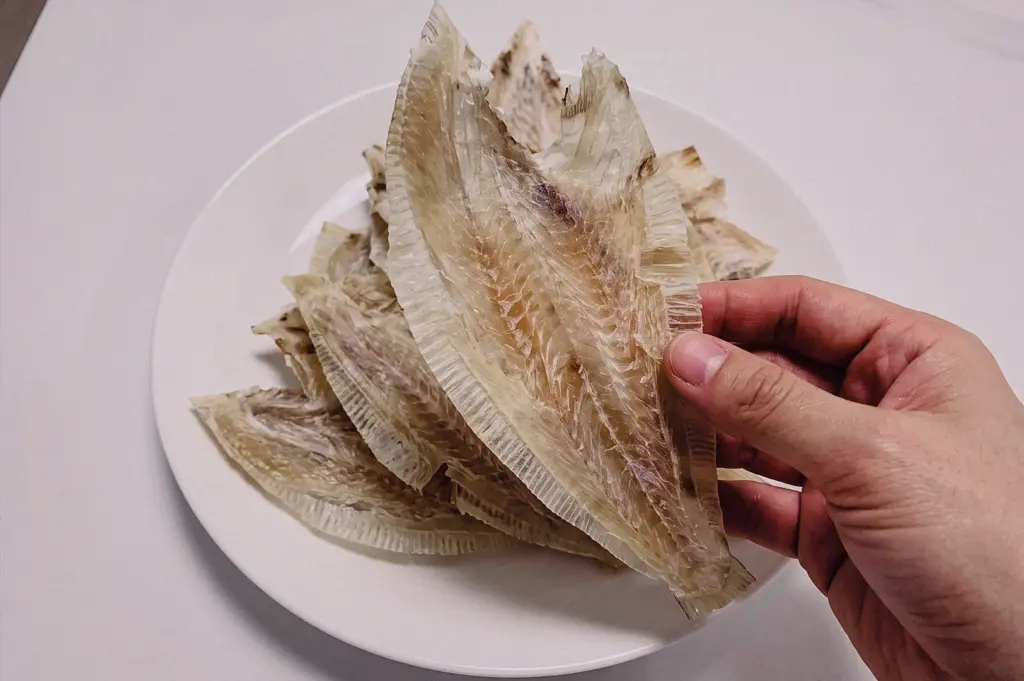
Tee poh is dried sole fillet. Drying removes water and concentrates what is left. That includes the savoury compounds that give dried seafood its depth.
Savoury depth and sweetness work together. Savoury notes make the natural sweetness of fish taste rounder and longer. Without them, sweetness can feel thin. Tee poh fills that gap.
Chicken: A Rounded Background
Chicken goes into the same pot as the bones and tee poh. It doesn't make the broth taste of chicken. It adds a soft, savoury base underneath.
Think of it as support. The chicken carries the fish flavour rather than competing with it. The sea stays in front.
Collagen: Why the Broth Turns White
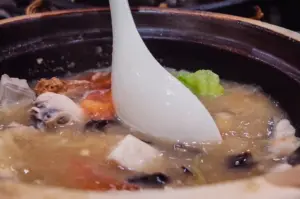
As the bones simmer, collagen renders out of them. That collagen gives our broth its naturally milky ivory body. There's no evaporated milk in it. The soup is white because the bones give everything.
Collagen itself isn't strongly sweet. What it adds is body. A broth with body coats the tongue and holds flavour there a little longer, so the sweetness from the fish lingers. Body is what lets you notice sweetness.
Heat and Timing: Drawing It Out Without Losing It
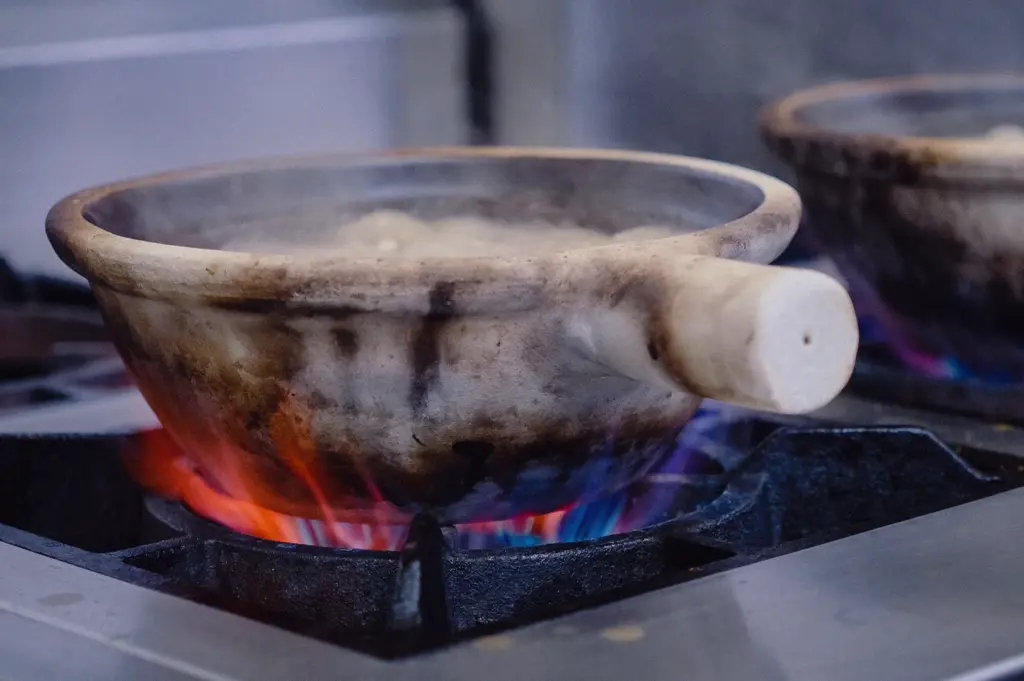
Ingredients only matter if the kitchen gets the method right. Too little heat and the flavour stays in the bones. Too much and the broth can turn heavy or muddy. The window is narrower than it looks.
Our broth takes roughly an hour. The founder's father made his soup at home without a fixed written recipe. Chef Kee Leng, who is also a partner, balanced and refined it. He worked out the ratios, heat and timing so the kitchen can make the same bowl each service. A long simmer was never the aim. Getting the same sweetness every time was.
Condiments: Contrast Makes Sweetness Clearer
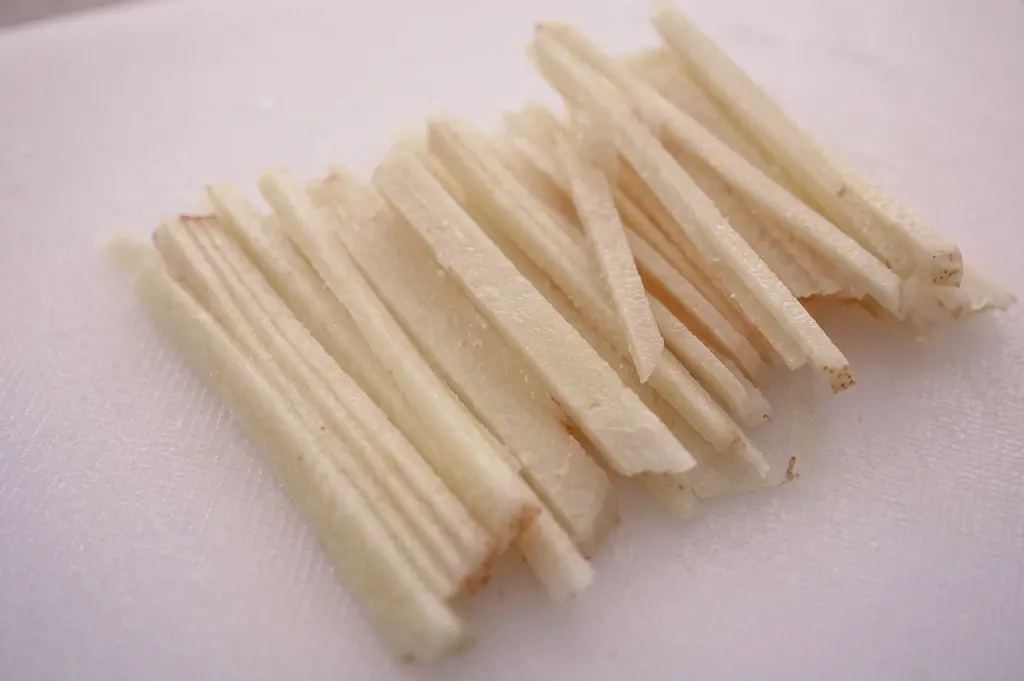
Grandpa's Pomfret Soup comes with three traditional Teochew condiments, finished with generous pomfret slices.
- Sng buay (sour plum) adds sourness, which makes the sweetness of the broth easier to pick out.
- Kiam chye (salted mustard) adds a salted edge, and a little salt sharpens sweet flavours.
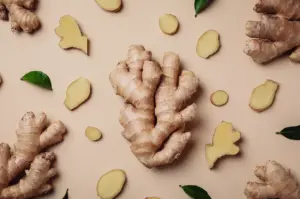
- Julienned ginger keeps the fish tasting clean, so its sweetness comes through without any heaviness.
None of these makes the soup sweeter. They sharpen what is already there. Contrast does the rest.
Where the Knowledge Comes From
Knowing how fish should taste comes from years of handling it. The founder's grandfather hawked fish at the foot of Fort Canning in the afternoons, a pole across his shoulders. The founder's father helped from boyhood and later ran his own stall at Mei Ling market. The trade grew into Hai Sia Seafood at Jurong Fishery Port, now run by the founder's brother.
Hai Sia Seafood supplies our kitchen today. Fewer hands between the fish and the bowl give us more control over what goes into the pot. Three generations worked with fish before the first bowl was served. The restaurant is new. The family's knowledge of fish is not.
When people search for Fish Soup Singapore, they often compare broths by colour or richness. Sweetness is a better test. It tells you about the fish, the bones and the care behind the pot.
Key Takeaways
- Natural sweetness in fish soup comes mainly from amino acids in the fish and bones.
- Dried fish such as tee poh adds savoury depth that makes sweetness taste fuller.
- Collagen gives body, which helps sweetness linger.
- Heat, ratios and timing decide how much of it ends up in the bowl.
- Sour, salty and sharp condiments make the sweetness easier to taste.
To taste it for yourself, come by Hup Lok on Havelock Road and order Grandpa's Pomfret Soup. Try a spoonful of broth on its own first, then add the sour plum.