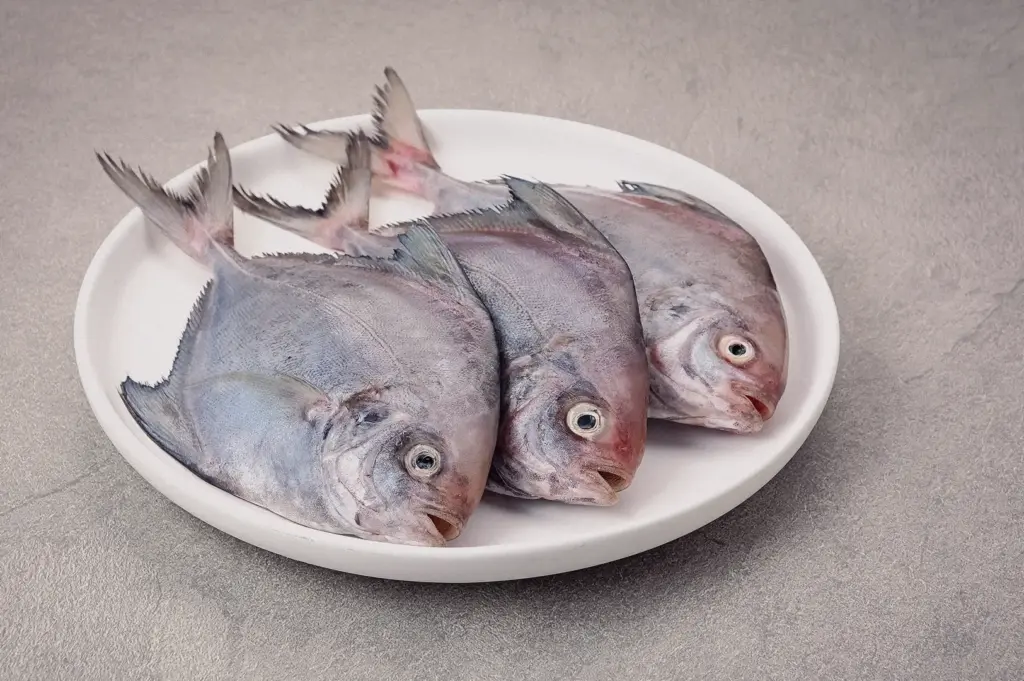
Walk into any coffee shop in Singapore and you'll find fish soup on the menu, but the fish inside the bowl is rarely the same. Batang, threadfin, grouper, pomfret: each shows up somewhere, and each behaves differently once it hits hot broth. So if you're wondering about the best fish for fish soup, the honest answer is that it depends on what you want from the bowl.
This guide weighs pomfret against the other common choices on three plain terms: texture, flavour, and how each fish holds up in soup. By the end, you'll know why pomfret earns its place at Hup Lok's seafood menu, and when another fish might suit you better. No single fish wins every round. But pomfret is a strong pick for a specific kind of bowl.
The Common Contenders
Start with the fish you'll actually meet in a soup bowl here.
Batang (Spanish mackerel) is the workhorse. It's firm, meaty, and holds a clean bite even after sitting in hot soup. It's forgiving, which is why it turns up so often. The flavour is mild and straightforward.
Threadfin (ngoh hur) is prized for a reason. The flesh is firm but finer than batang, with a clean, slightly rich taste. It's the fish many people upgrade to when they want something better than the standard slice.
Grouper (garoupa) is firmer still, with a substantial, almost springy bite. It carries a fuller flavour and stands up well to a strong broth. It's often treated as the premium choice, and it's priced that way.
Pomfret sits apart from all three. Where the others lead with firmness, pomfret leads with softness.
Texture: Where Pomfret Stands Alone
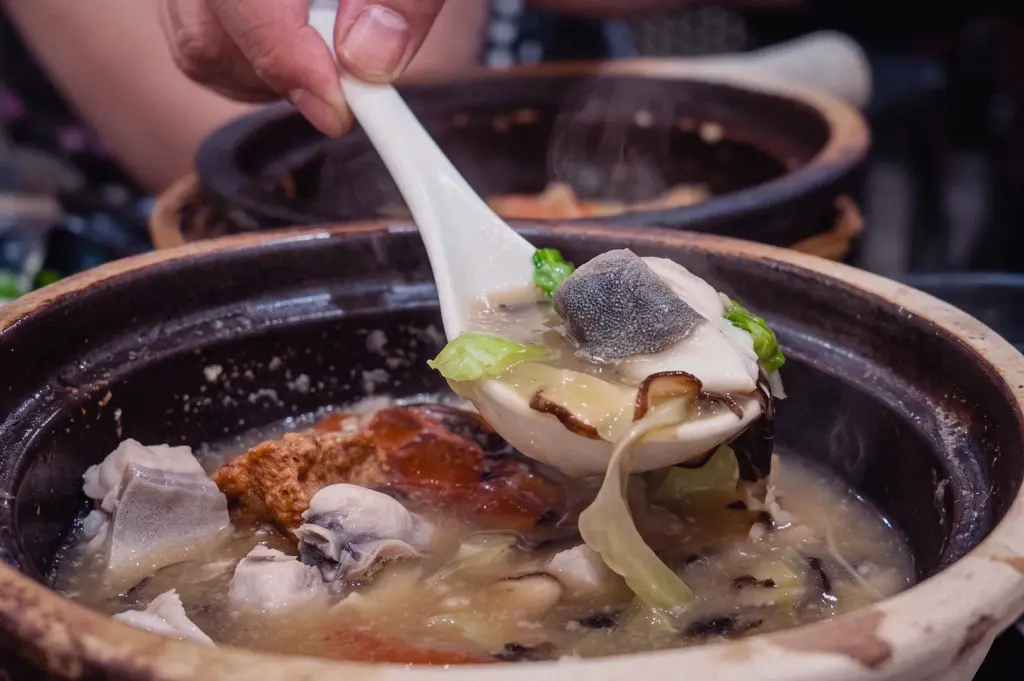
This is the clearest split between the fish.
Batang, threadfin, and grouper all give you a firm, meaty bite. They hold their shape, and they forgive a slow eater. That firmness is dependable, and for many people, it's exactly what fish soup should be.
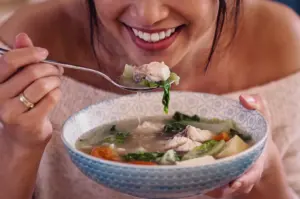
Pomfret is the opposite. The flesh is fine and tender, and it flakes apart gently on the spoon. In hot broth, that softness turns almost silky, closer to buttery than chewy. It's a lighter, more delicate mouthful than any of the firmer fish. The trade-off is that pomfret doesn't wait for you. It keeps cooking in the hot broth, so a soft fish can turn dry if it sits too long. The firmer fish give you slack; pomfret asks you to eat it early. That one habit is the difference between silky and stringy.
Flavour: Gentle Sweetness Versus Fuller Body
Texture is only half the bowl. Taste is the other half.
Batang is mild and clean, a neutral base more than a standout flavour. Threadfin carries more richness, and grouper more still, with enough body to match a robust soup. If you want a fish that pushes forward on the tongue, grouper and threadfin do that well.
Pomfret leads differently. It has a mild, clean sweetness when it's handled well, and it doesn't taste strong or overly fishy. That gentleness is its appeal, but it also means the broth around it matters enormously. A heavy, careless soup can bury pomfret's sweetness. A broth built to support it lets that sweetness come through. So pomfret rewards a kitchen that knows what it's doing. It punishes one that doesn't.
Suitability for Soup: It Comes Down to the Broth
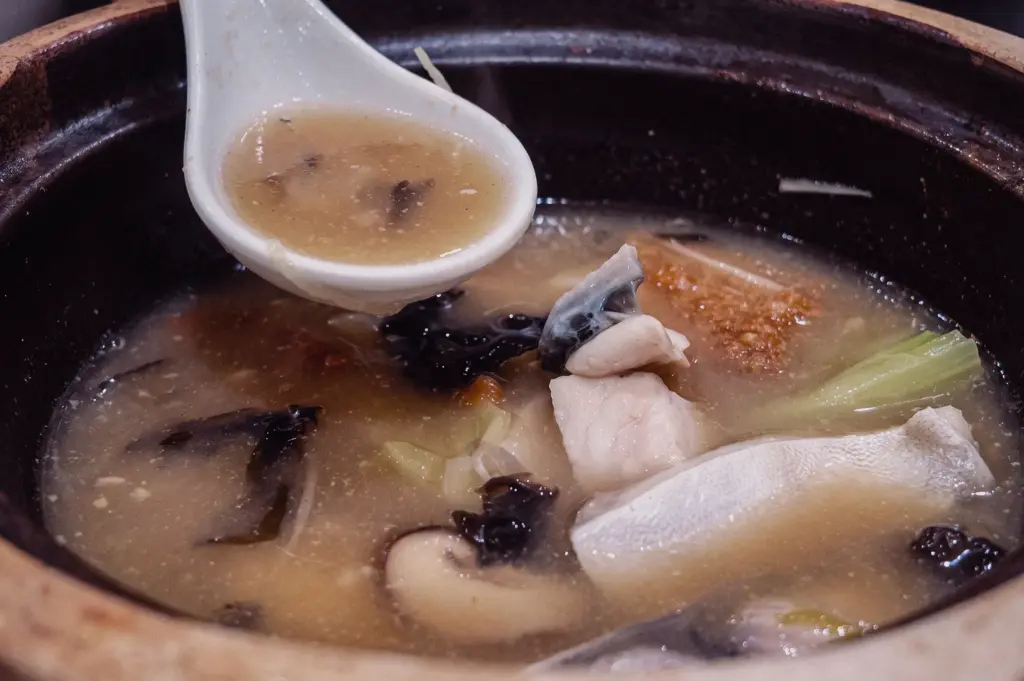
Here's the practical heart of the question.
A firm fish like grouper or batang can stand up to almost any broth, including the heavy, milky soups thickened with evaporated milk. Pomfret can't hide behind that. A gentle fish needs a broth that frames it rather than drowns it.
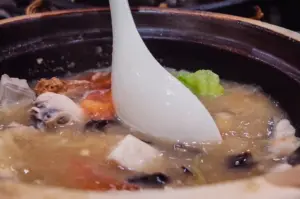
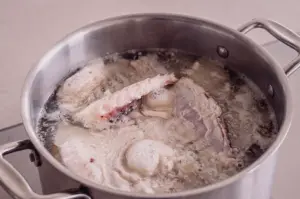
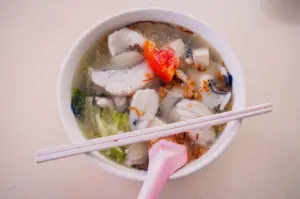
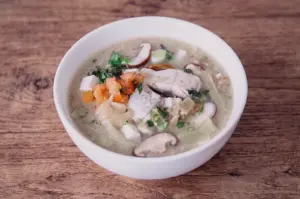
At Hup Lok, the broth is made from batang bones simmered with chicken and tee poh, the dried sole fillet, until the collagen gives it a naturally milky ivory body. There's no evaporated milk and no shell base. The soup is white because the bones give everything. That gives the broth real body and a gentle stickiness on the lips, without a dairy note sitting over the fish. For a delicate fish like pomfret, that's a natural match. The broth supports the sweetness instead of masking it.
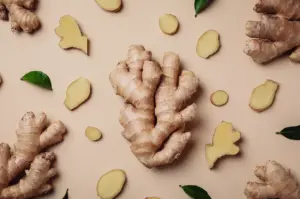
The bowl is finished simply: generous pomfret slices with sng buay, kiam chye and julienned ginger. Each does one job. The sour plum brightens, the salted mustard adds a savoury edge, the ginger lifts the broth. None of them fight the fish. They frame it.
So, Is Pomfret the Best?
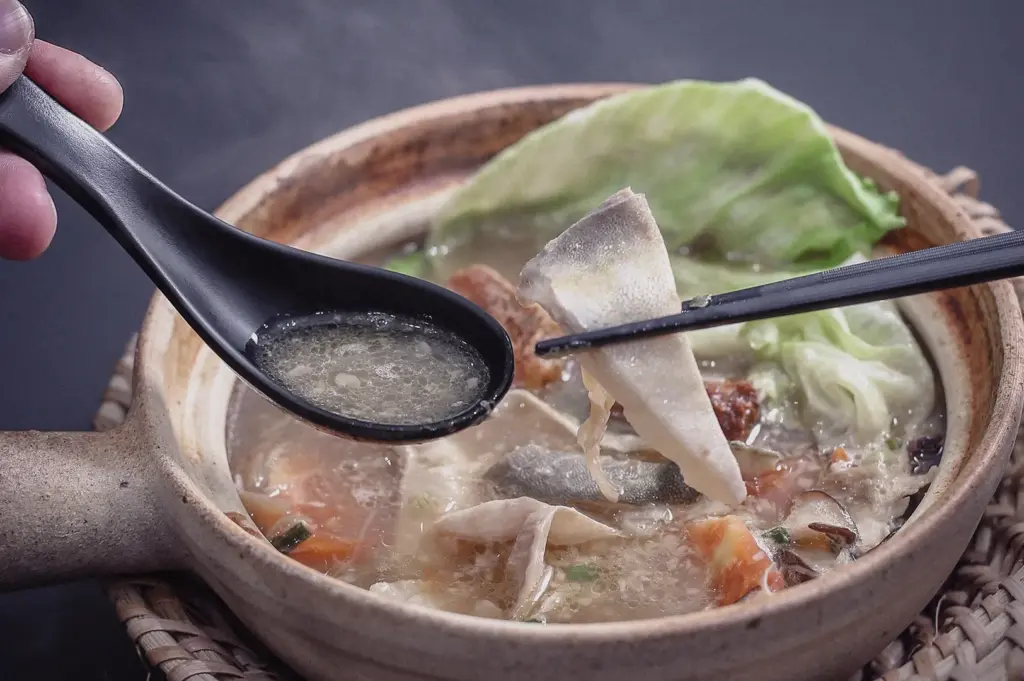
There's no single winner, and it would be dishonest to claim one. If you want a firm, meaty bowl you can take your time with, batang, threadfin, or grouper all make sense. If you want something softer and sweeter, pomfret is the one, provided the broth is built to carry it and you eat the fish while it's hot.
That last part is why the work behind the bowl matters. Hup Lok grew out of three generations working in the fish trade, from the founder's grandfather selling fish at the foot of Fort Canning, to his father at Mei Ling market, to Hai Sia Seafood at Jurong Fishery Port, now run by the founder's brother. People who've handled fish that long know how little time a soft fish needs, and how to build a broth that lets it lead.
To taste the soft, sweet side of the comparison, drop by Hup Lok on Havelock Road, order a bowl of Teochew-style fish soup — Grandpa's Pomfret Soup — and eat the fish first, while it's still silky.

One Response