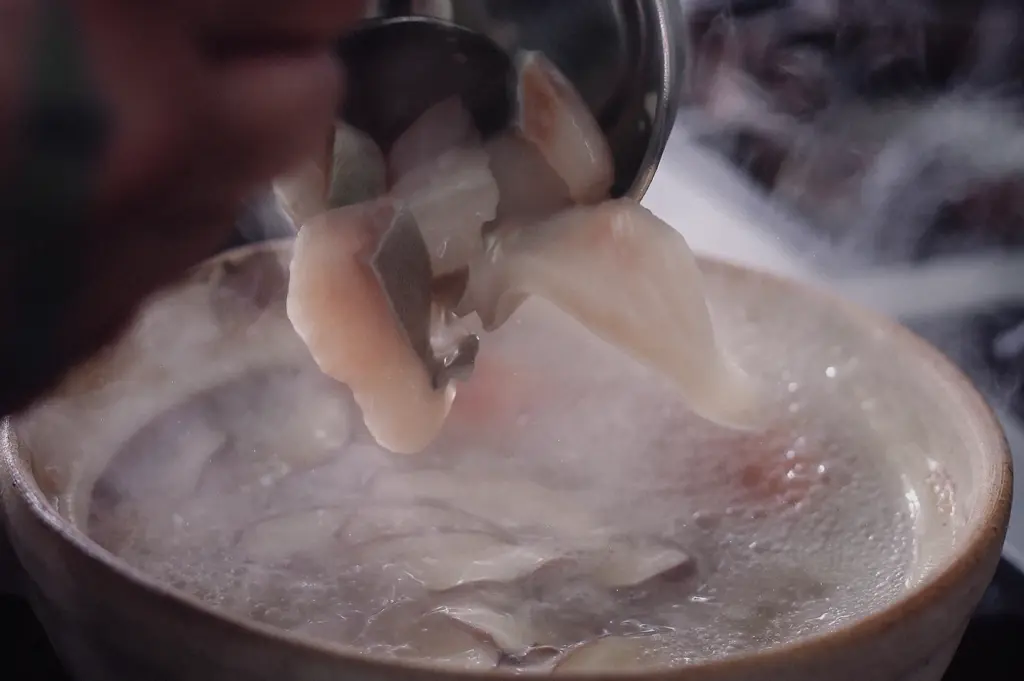
Pomfret looks easy. It's a flat, silver fish with fine flesh, and it cooks fast. But that speed is exactly the problem. A firm fish gives you room to get the timing wrong. Pomfret does not. The window between just-cooked and overdone is short, and once you miss it, there's no going back.
This guide walks through how to cook pomfret well, the mistakes that spoil it, and why timing matters more than almost anything else with this fish.
The Delicate Fish that Catches People Out
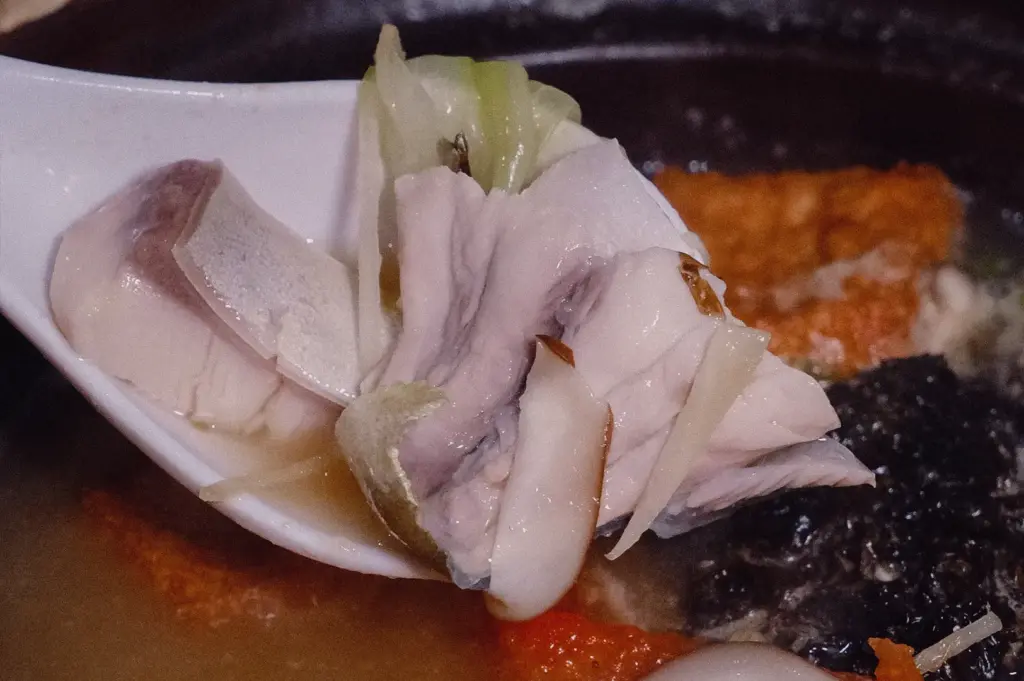
Pomfret has fine, tender flesh that flakes apart gently. Cooked right, it turns almost silky, with a mild, clean sweetness. That softness is the whole reason people order it. It's also the reason it's so easy to ruin.
A firm fish like batang can sit in hot liquid a while and still hold its bite. Pomfret can't. Its gentle flesh keeps cooking the moment heat touches it, and it keeps going even after you take it off the stove. So the fish you serve isn't the fish you pulled from the pot a minute ago. It has moved on. That lag is where most people go wrong.
The Most Common Mistake: Leaving It in the Heat Too Long
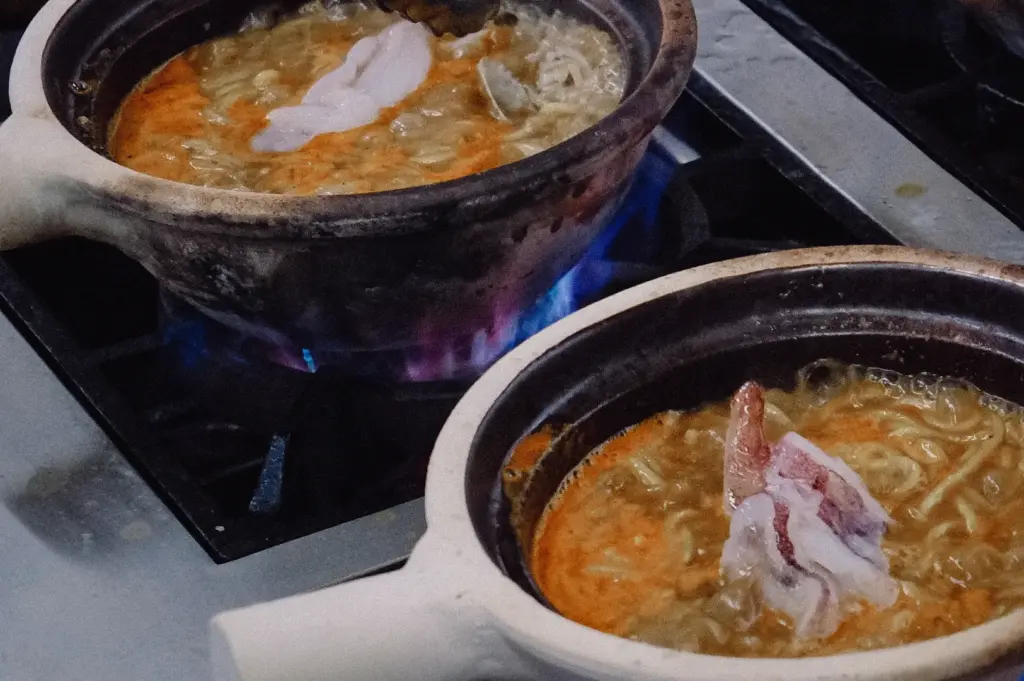
The single biggest error with pomfret is cooking it too long. It doesn't need much. The flesh is thin, and it turns from tender to dry faster than you'd expect. Push it past the point, and the silky texture goes stringy. The clean sweetness dulls too. You end up with a firm, dry slice that tastes of very little.
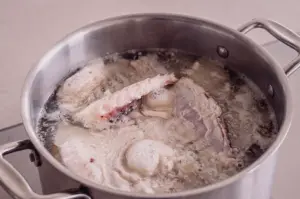
This matters most in soup, where the fish sits in hot broth right up to the table. The broth keeps working on the fish while it waits for you. At Hup Lok, the broth is made from batang bones simmered with chicken and tee poh, the dried sole fillet, until the collagen gives it a milky ivory body. That broth is rich and hot, and it carries a lot of heat to the bowl. If you want to understand what the fish is sitting in, you can learn how the broth is made. The point is simple: a hot broth is still a cooking pot until the fish is eaten.
Other Mistakes that Spoil a Good Pomfret
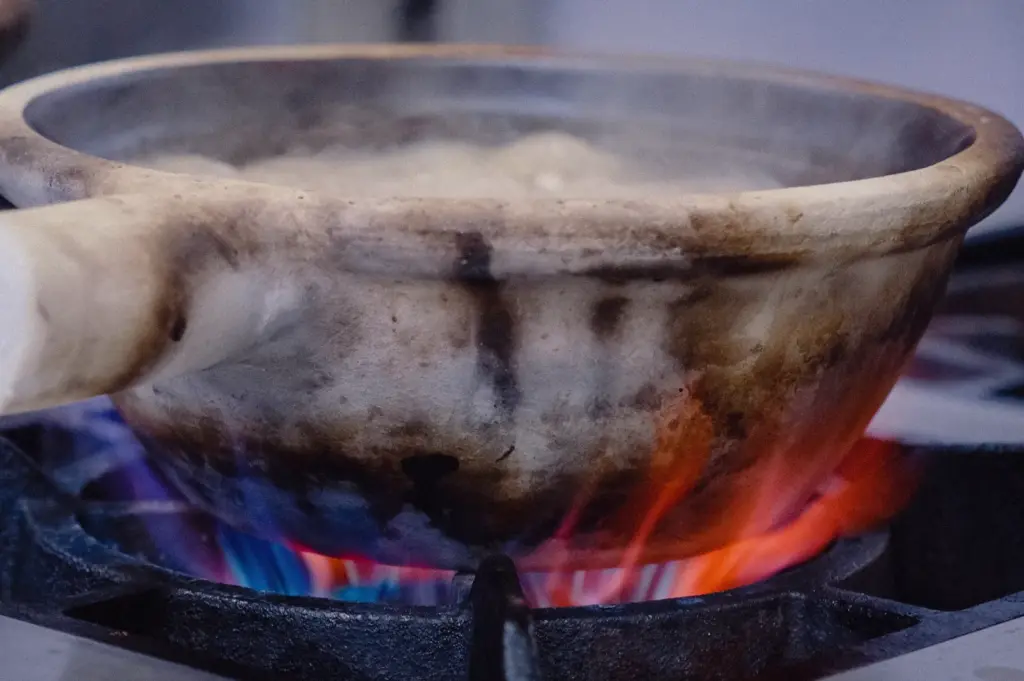
Overcooking is the main one, but it isn't the only trap.
Too high a heat. Blasting a delicate fish with fierce heat cooks the outside before the inside catches up, and it toughens the flesh. Pomfret rewards a gentler hand.
Too much handling. The soft flesh breaks apart if you keep turning and prodding it. Move it once, carefully, and leave it be.
Drowning the fish. Pomfret's flavour is quiet. Load it with strong seasoning or a heavy sauce and you lose the sweetness that made it worth choosing. The fish should stay the centre of the plate, not disappear under it.
Starting with tired fish. No amount of good timing fixes a fish past its best. A soft fish shows its age fast, so freshness does half the work before the heat is even on.
Why timing is the whole game
With pomfret, timing isn't one detail among many. It's the detail. The fish gives you a small window, and everything else is built around hitting it.
This is where consistency counts more than any long, slow method. Hup Lok's broth takes roughly an hour, not a full day. The work isn't in dragging it out. It's in getting the ratios, the heat and the timing right so the same bowl comes out each service. Chef Kee Leng, who is also a partner, balanced and refined the founder's father's soup into the version served today. It had no fixed written recipe. What makes it repeatable is the discipline around timing, not a long simmer.
That discipline comes from a family that has handled fish for three generations, from the founder's grandfather at Hup Seng Huat market before dawn, to his father at Mei Ling market, to Hai Sia Seafood at Jurong Fishery Port, now run by the founder's brother. People who know fish know how little time a soft one needs. That knowledge is why the pomfret in a bowl of Singapore Best Fish Soup arrives silky rather than dry.
How to eat it right at the table
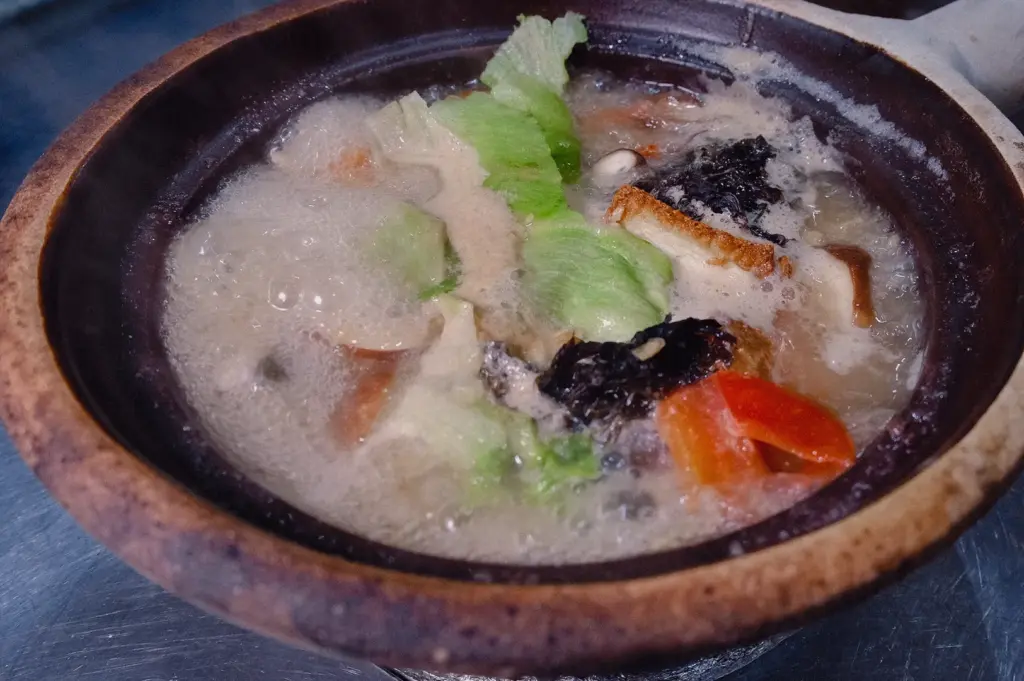
Here's the part that's on your side, and it matters as much as the cooking.
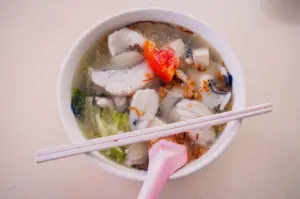
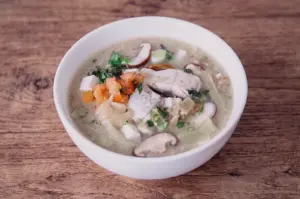
When pomfret soup reaches you, the fish is still cooking in the hot broth. So eat the fish first, while it's tender. Don't leave it sitting while you work through the rice or the soup. Take the slices early, then finish the broth at your own pace. Grandpa's Pomfret Soup is served with generous pomfret slices and simple Teochew condiments, sng buay, kiam chye and julienned ginger, all there to frame the fish, not bury it. Eating the fish early is how you keep it at its best.
To taste pomfret cooked and timed right, drop by Hup Lok on Havelock Road, order Grandpa's Pomfret Soup, and eat the fish first while it's still silky.

One Response