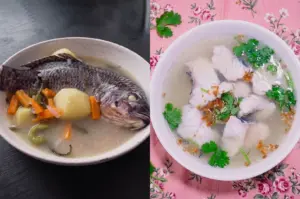
A subtle broth and a bland broth can look the same in the bowl. Both seem quiet on the first sip. The difference shows up a second later. A subtle broth keeps going, while a bland one simply stops.
This guide explains balanced vs. bland fish soup broth in practical terms: what causes blandness, what creates balance, and how to tell the two apart. In short:
- A subtle broth has flavour that is gentle but complete.
- A bland broth is missing something, usually body, depth or seasoning.
- Balance comes from several parts working together, not from adding more of one thing.
The ideas here come from how we build our own bowl. You can see more of it on our homepage.
Subtle is Not the Same as Underseasoned
People often call a broth "light" when they mean "weak". These are different things.
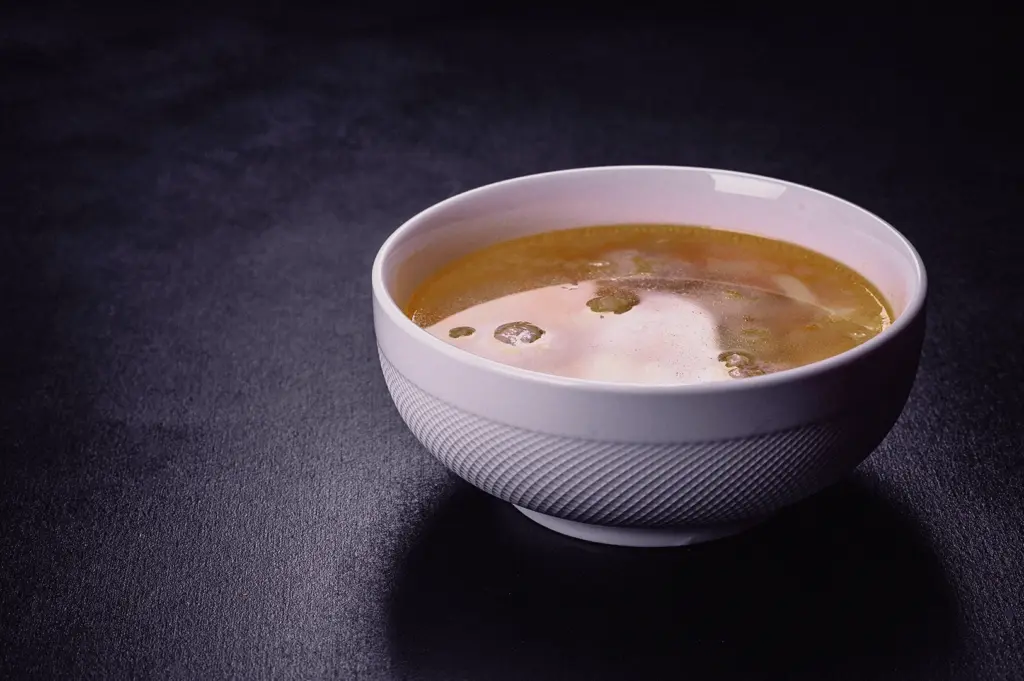
A subtle broth has a clear base of fish and bone. Its savoury taste stays on the tongue after you swallow, and each spoonful tastes the same as the last. It is quiet because it was built that way.
An underseasoned broth tastes of hot water first and fish second. The flavour fades almost at once, and you find yourself reaching for salt or chilli to fill the gap. It is quiet because something is missing.
Here is a simple test. Taste the broth on its own and wait a few seconds. If the flavour lingers, it is subtle. If it vanishes, it is bland.
What Makes a Broth Bland

Too Much Water for the Bones
The ratio of bones to water sets the ceiling for flavour. Too much water spreads everything thin, and no amount of seasoning later will fully fix it. The bones can only give so much.
Cutting the Simmer Short
Bones need time to release collagen and flavour into the liquid. Pull the pot early and the broth stays thin and flat. Rushing leaves the work half done.
Only One Layer of Flavour
A broth made from a single ingredient often tastes one-note. It may be clean, but it lacks depth. Flavour needs support.
Salt at the Wrong Time, Or Not at All
Salt does not add flavour of its own so much as bring out what is already there. Leave it out and the broth tastes muted. Add it too early and the broth can turn harsh as it reduces.
No Contrast
Rich, savoury flavours need something to push against. Without a little sourness or sharpness, a broth can taste dull even when it is properly salted. Contrast keeps the palate awake.
What Makes a Broth Balanced
Balance is not about strength. It is about each part doing its job without crowding the others.
A Savoury Base
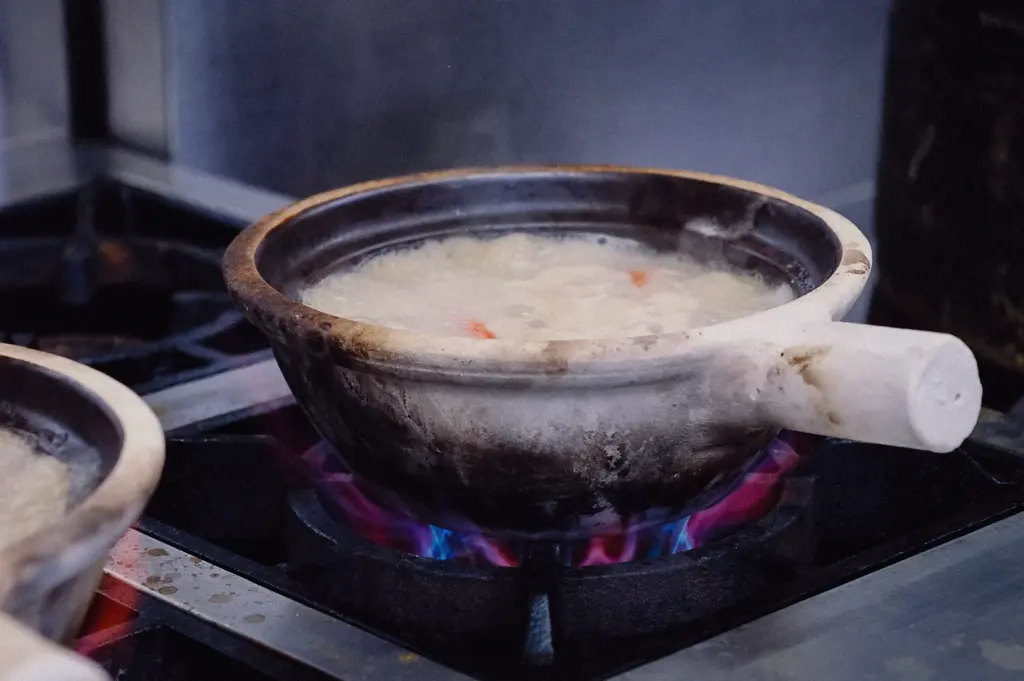
Our broth starts with batang bones, simmered with chicken and tee poh, the dried sole fillet. The bones and chicken give the base, while the tee poh adds concentrated depth from dried fish. Three ingredients give three layers.
Body from the Bones
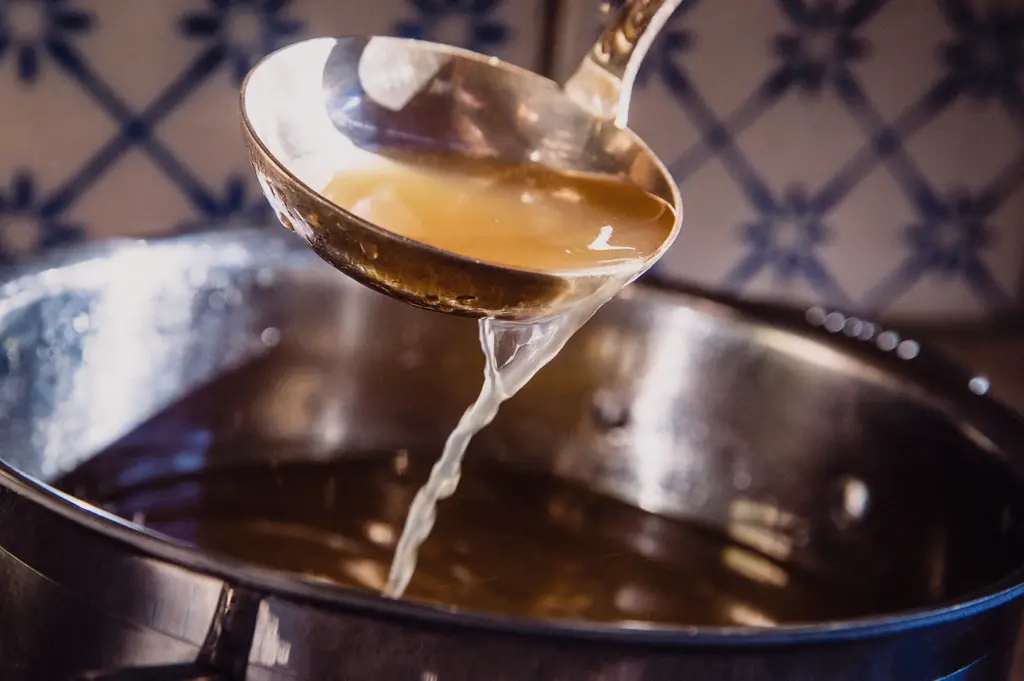
The collagen from the batang bones gives the broth its naturally milky ivory body. There is no evaporated milk and no shell or siput base. The soup is white because the bones give everything. Body carries flavour across the tongue, so a broth with body tastes fuller without needing to be saltier.
Consistency
Our broth takes roughly one hour. The founder's father made his soup without a fixed written recipe. Chef Kee Leng, who is also a partner, balanced and refined it into the version we serve today, setting the ratios, heat and timing so the kitchen makes the same bowl each service. A balanced broth has to stay balanced every day.
Contrast at the Table
Grandpa's Pomfret Soup, named in honour of the founder's father, is finished with generous pomfret slices, sng buay (sour plum), kiam chye (salted mustard) and julienned ginger. The sour plum cuts the richness, the salted mustard adds a salty edge, and the ginger brings warmth and sharpness. Together they stop a rich broth from feeling heavy. The pomfret stays at the centre of the bowl.
It Starts With the Fish

No technique can add flavour that the fish never had. Balance begins with knowing what you are buying.
The founder's grandfather worked at Hup Seng Huat market before dawn, then hawked fish at the foot of Fort Canning in the afternoons with a pole across his shoulders. The founder's father helped from boyhood and later became a stallholder at Mei Ling market. The trade grew through a small factory in Redhill into Hai Sia Seafood at Jurong Fishery Port, now run by the founder's brother.
Hai Sia Seafood supplies our kitchen today, which means fewer hands sit between the fish and the bowl. Search for Best Fish Soup Singapore and you will find plenty of opinions. We would rather you judge the broth yourself. The restaurant is new, but the family's knowledge of fish is not.
FAQ
Can I fix a bland broth by adding more salt?
Only partly. Salt helps if seasoning was the problem. It cannot replace missing body or depth.
Why does my broth taste flat even though it's salty?
It probably lacks contrast. A touch of sourness or sharpness often helps more than extra salt.
Do aromatics help balance a broth?
They can add lift and character. For more, read our guide to aromatics in fish soup broth.
Is a rich broth always better than a light one?
No. Either style can be balanced or bland. What matters is whether the flavour feels complete.
Taste It for Yourself
Next time you are on Havelock Road, come in and order Grandpa's Pomfret Soup. Taste the broth on its own first, then add the condiments one at a time and notice what each one changes.