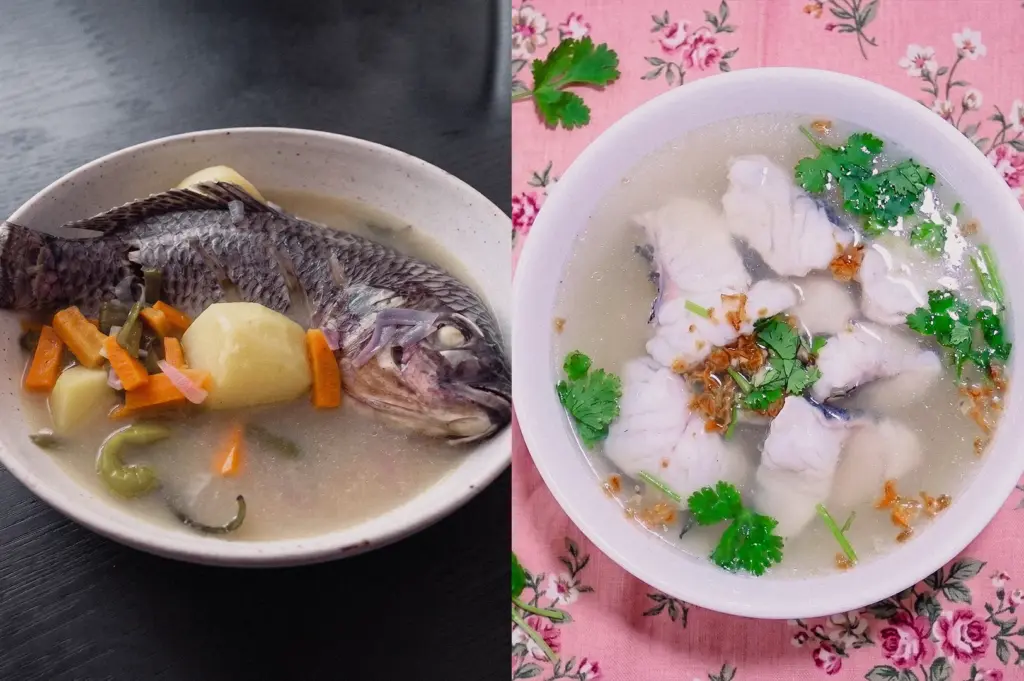
A whole fish and a plate of fish slices can come from the same catch and still make two very different soups. The whole fish gives the pot more to work with. The slices give the person eating more control. Each format suits a different kind of meal.
This guide compares whole fish vs sliced fish soup by broth impact, texture, ease of eating, cooking control and the kind of meal each one creates. Many people picture fish soup made the old-fashioned way as a whole fish simmering in a pot. That picture is only half right. The fish you choose matters as much as the format, and softer fish behave very differently. Our guide to threadfin fish soup shows how a delicate fish changes the cooking.
In short:
- Whole fish gives the broth more body and flavour.
- Slices are easier to cook evenly and easier to eat.
- Whole fish suits a shared table. Slices suit a single bowl.
Broth Impact
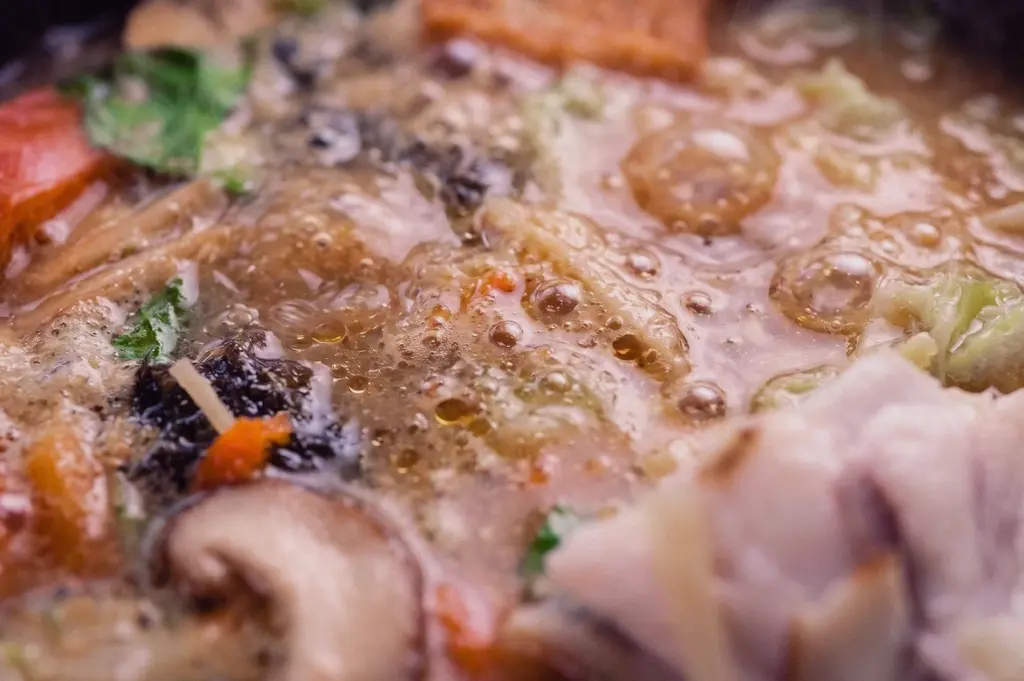
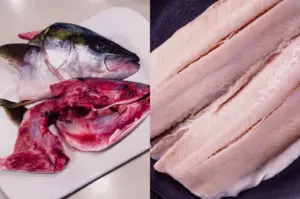
A whole fish brings its head, bones, skin and fins into the pot. As these simmer, they release collagen and savoury flavour into the liquid. That is where body comes from.
Slices bring clean flesh and very little else. They add sweetness to the bowl but almost nothing to the broth's weight. A slices-only soup depends on a broth made separately.
Texture
Cooking a whole fish evenly is hard. The thin tail cooks long before the thick middle near the spine. Some parts end up firm while others are only just done.
Slices are cut to a similar thickness. They cook at the same pace, so every piece has the same bite. Even slices give even texture.
Ease of Eating
A whole fish asks for patience. There are pin bones to find, skin to separate and meat to pick from around the head. Some people enjoy the work. Others would rather not.
Slices remove that effort. Each spoonful is flesh, with far fewer bones to watch for. It is the easier way to eat fish soup.
Cooking Control
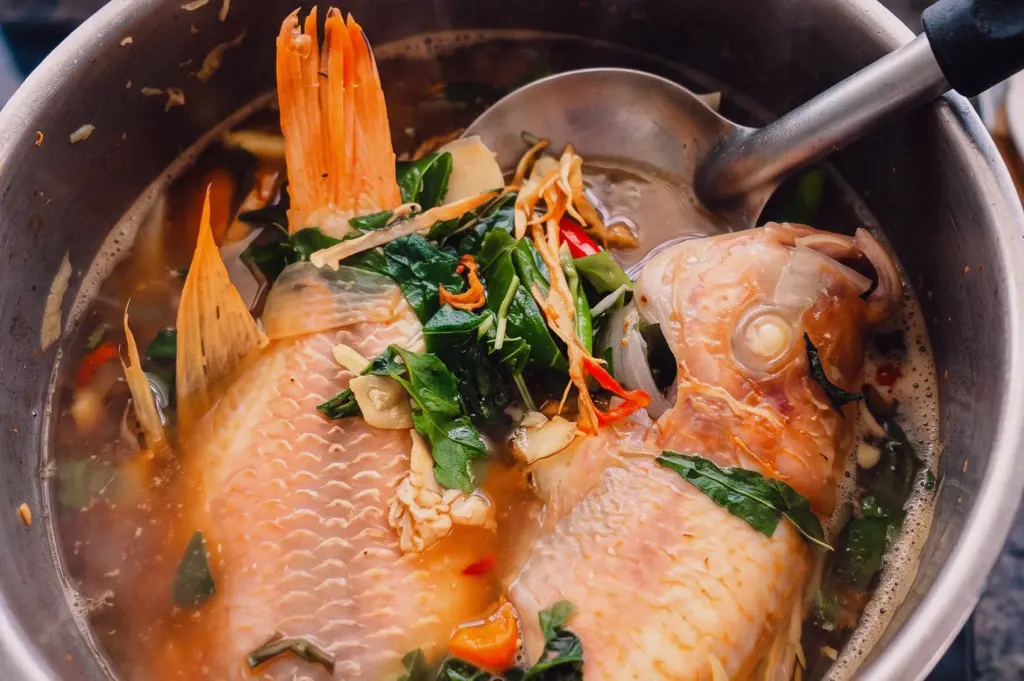
With a whole fish, the cook has one decision: when to take it out. Leave it too long and the delicate parts break down. There is little room to adjust.
With slices, the broth and the fish are handled apart. The broth can be built first, then the slices go in for a short time at the end. Separating the two gives the cook control over both.
Whole Fish vs. Fish Slices at a Glance
| Whole fish | Fish slices | |
|---|---|---|
| Broth Impact | High body and flavour | Low on their own |
| Texture | Uneven across the fish | Even, piece to piece |
| Ease of Eating | Slow, bone-picking | Simple |
| Cooking Control | Limited | High |
| Best For | Shared meals at home | Individual bowls |
The Kind of Meal Each Creates
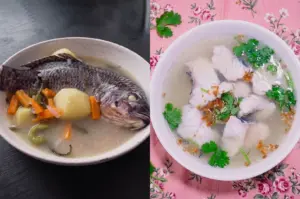
A whole fish in a pot is a shared meal. It sits in the middle of the table, and everyone picks from it. It is slower and more sociable.
Sliced fish soup is a personal bowl. It arrives ready to eat, with each portion the same. It suits a quick lunch or a dinner on your own.
Neither format is better. They answer different needs.
How We Split the Work
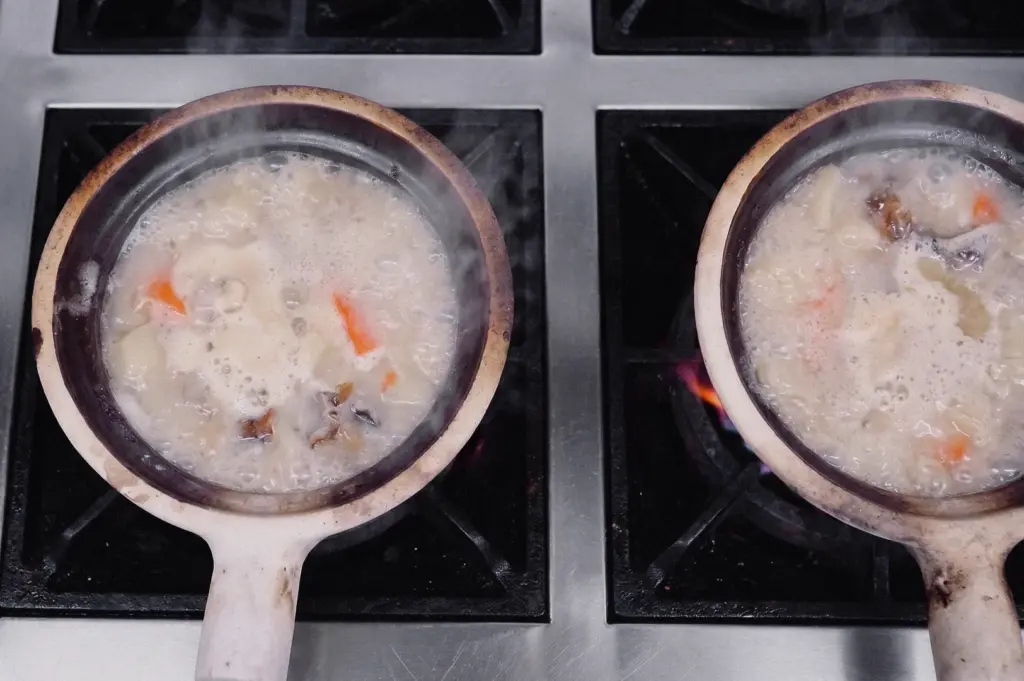
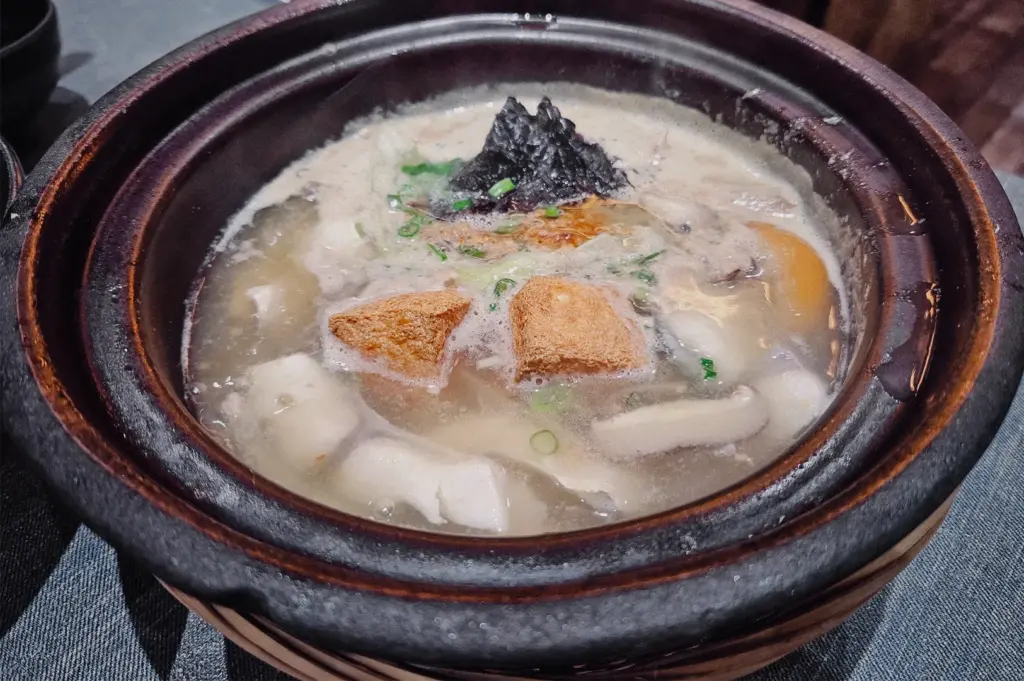
Our bowl takes the best of both. The bones go into the broth, and the slices go into the bowl.
The broth starts with batang bones, simmered with chicken and tee poh, the dried sole fillet. The bones and chicken build the base, and the tee poh adds depth from dried fish. The collagen from the bones gives the broth its naturally milky ivory body. There is no evaporated milk and no shell or siput base. The soup is white because the bones give everything.
The broth takes roughly one hour. Chef Kee Leng, who is also a partner, balanced and refined the founder's father's soup, which never had a fixed written recipe. He set the ratios, heat and timing so the kitchen makes the same bowl each service. Consistency is the point.
Grandpa's Pomfret Soup, named in honour of the founder's father, is finished with generous pomfret slices, sng buay (sour plum), kiam chye (salted mustard) and julienned ginger. The bones do the slow work. The pomfret stays at the centre of the bowl.
Knowing the Fish
Separating bone from flesh well depends on knowing fish well. The founder's grandfather worked at the market before dawn, then hawked fish at the foot of Fort Canning in the afternoons, a pole across his shoulders. The founder's father helped from boyhood and later became a stallholder at Mei Ling market. The trade grew through a small factory in Redhill into Hai Sia Seafood at Jurong Fishery Port, now run by the founder's brother.
Hai Sia Seafood supplies our kitchen today, so fewer hands sit between the fish and the bowl. That gives us more control over what we buy and how it is handled. You can explore the complete fish soup offering on our homepage. The restaurant is new. The family's knowledge of fish is not.
Key Takeaways
- Whole fish gives the broth more body, but cooks unevenly.
- Slices cook evenly and are easier to eat.
- Building the broth from bones and adding slices later gives control over both.
- Whole fish suits a shared table, while slices suit a single bowl.
Next time you are on Havelock Road, order Grandpa's Pomfret Soup. Taste the broth first, then a slice of pomfret, and notice how each part of the fish has done its own job.




One Response