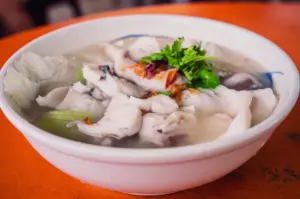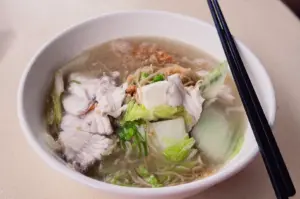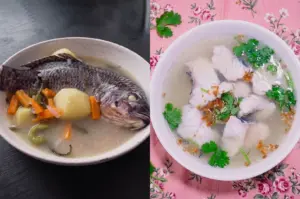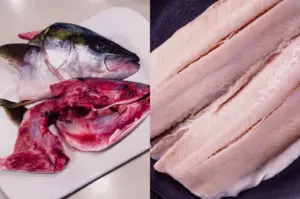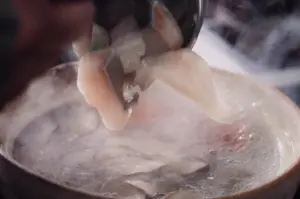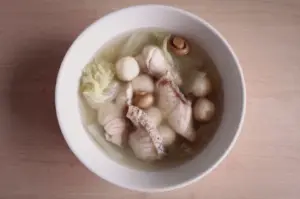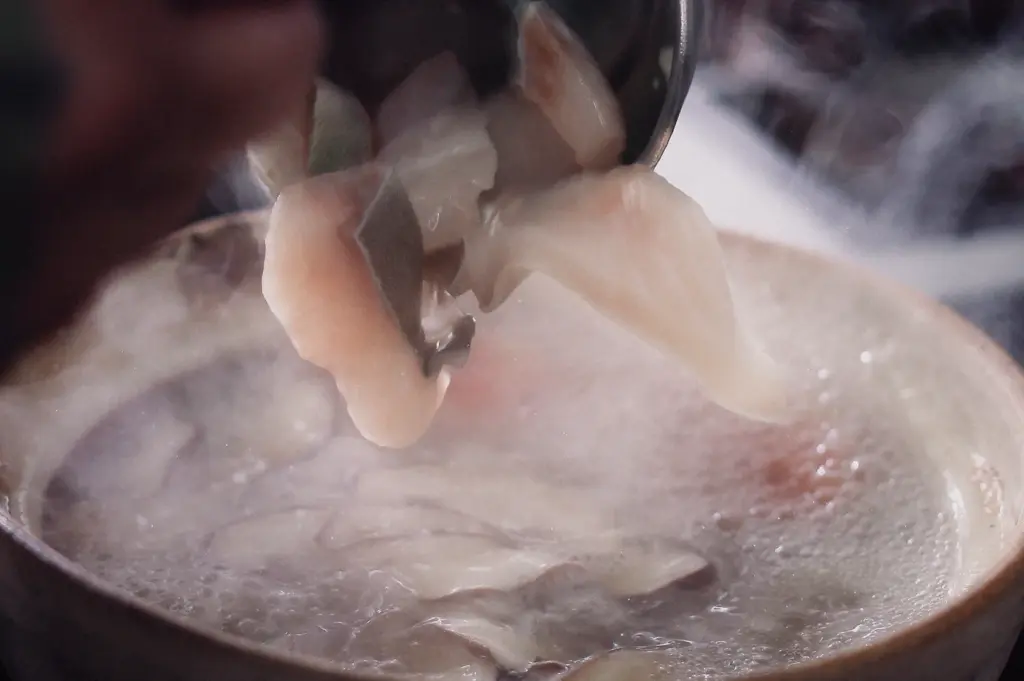
Two bowls of fish soup can look almost the same and eat very differently. One slice falls apart under the spoon. Another needs a proper bite. The difference is the fish.
This guide answers a simple question: which is the softest fish for soup? It ranks five common Singapore choices from softest to firmest: threadfin, pomfret, snapper, grouper and batang. It also explains why "soft" is not the same as "better". Batang sits at the firm end, and you can read more on what is batang fish in a separate guide.
In short:
- Threadfin is the softest, with loose, moist flakes.
- Pomfret is nearly as soft, but finer and cleaner.
- Snapper and grouper sit in the middle, firm enough for longer cooking.
- Batang is the firmest, dense and meaty.
- Softer fish need less time in the heat.
What "Soft" Means in a Bowl of Soup
Softness in soup is not one thing. It is a mix of how the flesh flakes, how fine the grain is and how it holds up in hot liquid. A soft fish has loose or fine flesh that gives way easily. A firm fish has tightly packed flesh that keeps its shape. Neither is a flaw.
The important point is timing. Soft fish suit a broth that is already finished. Firm fish can sit in the pot for longer.
If you want to taste the difference rather than read about it, you can find the restaurant on Havelock Road on our homepage.
The Softest Fish for Soup, Ranked
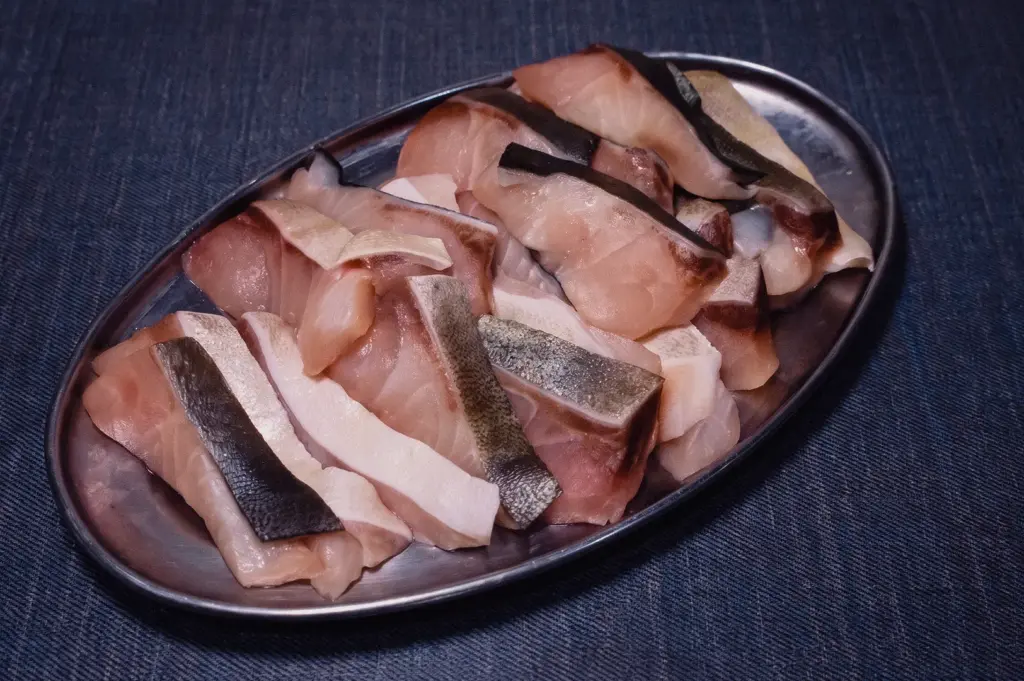
1. Threadfin: Soft and Flaky
Threadfin, known as ngoh hur or kurau, has tender flesh with large, moist flakes. It carries a little natural fat, which makes it feel smooth in the mouth. Press it with a spoon and it comes apart.
That softness has a cost. Left too long in hot liquid, the slices break up. Threadfin is the softest, and the least forgiving.
2. Pomfret: Fine and Felicate
Pomfret is almost as soft as threadfin. The difference is the grain. Pomfret flesh is finer and closer, with a clean natural sweetness.
It also needs a gentle hand. A short time in a hot, ready broth is enough. Pomfret is soft, but in a more precise way.
3. Snapper: Firm with Large Flakes
Snapper marks the turn towards firmer fish. The flesh is firm, yet it still breaks into large, clean flakes. Its flavour is mild.
It stands up to heat without falling apart. Snapper is the middle ground.
4. Grouper: Firm and Springy
Grouper has firm flesh with a slight bounce. Its skin turns soft and gelatinous when cooked. That contrast is a big part of its appeal.
It holds up well in claypots and longer-cooked soups. Grouper is firm, with a soft skin.
5. Batang: Dense and Meaty
Batang, or Spanish mackerel, is the firmest of the five. The flesh is tightly packed and chews more like meat than delicate white fish. The slices survive stirring and ladling.
Its bones are useful too. Simmered, they give body to a broth. Batang is the firmest fish, and often the hardest working.
Texture at a Glance
| Rank | Fish | Texture | Firmness in broth | Best role |
|---|---|---|---|---|
| 1 | Threadfin | Soft, flaky, slightly rich | Delicate | Gentle broth, porridge |
| 2 | Pomfret | Fine, soft | Delicate | Centre of a finished bowl |
| 3 | Snapper | Firm, large flakes | Firm | Everyday sliced fish soup |
| 4 | Grouper | Firm, springy | Firm | Hearty soups, claypots |
| 5 | Batang | Dense, meaty | Very firm | Slices or broth-building |
Is the Softest Fish Always the Best Choice?
No. The right texture depends on the broth.
A long-simmered soup needs a fish that can hold its shape. A finished broth with plenty of body needs a fish that adds sweetness and softness on top. The broth decides.
So ask what you want from the bowl. Choose a firm fish for bite and stamina. Choose a soft fish for tenderness and sweetness.
Why Our Bowl Uses Two Fish
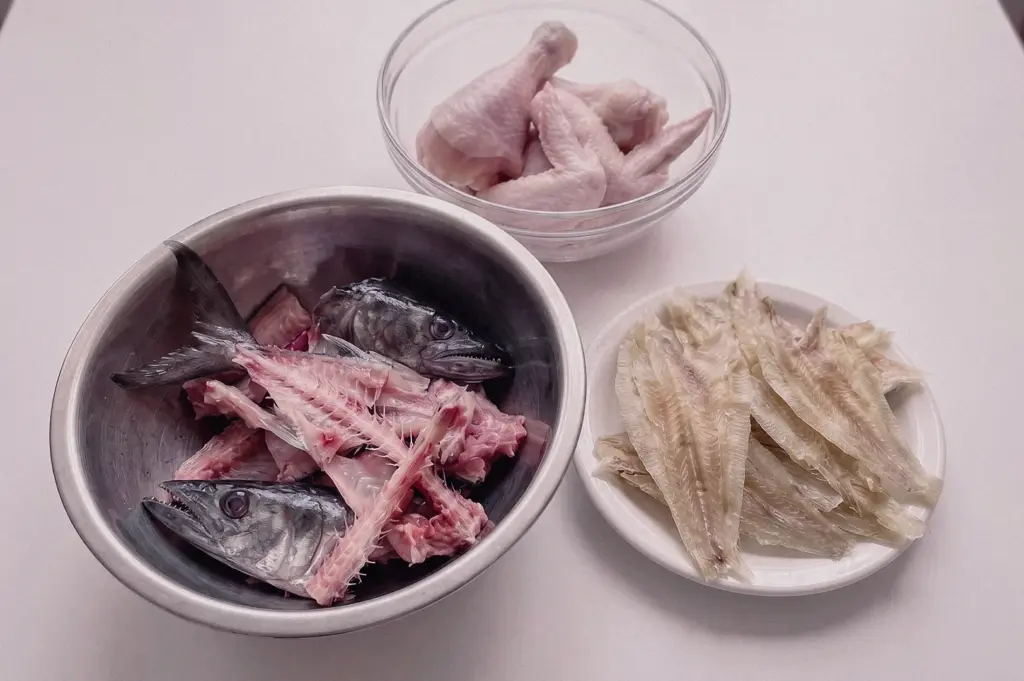
Our broth starts with batang bones, simmered with chicken and tee poh, the dried sole fillet. The bones and chicken build the base. The tee poh adds depth from dried fish.
The collagen from the bones gives the broth its naturally milky ivory body. There is no evaporated milk and no shell or siput base. The soup is white because the bones give everything.
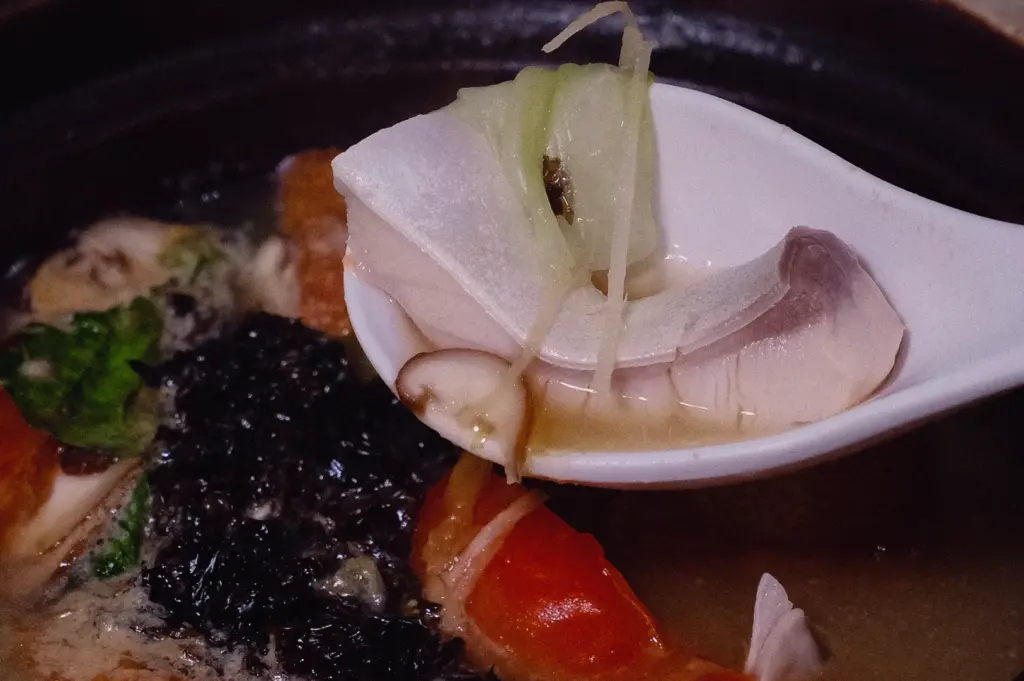
A broth with that much body does not need a firm fish to stand up in it. It needs a soft one. So the firmest fish builds the broth, and one of the softest sits in the bowl.
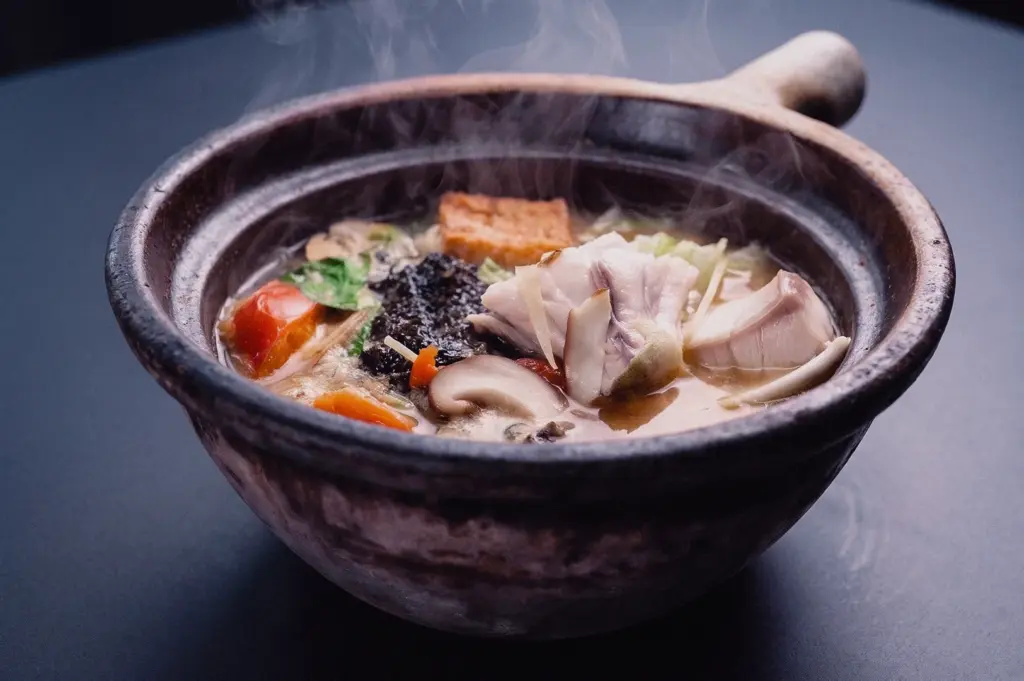
That is Hup Lok's pomfret fish soup. Grandpa's Pomfret Soup, named in honour of the founder's father, is finished with generous pomfret slices, sng buay (sour plum), kiam chye (salted mustard) and julienned ginger. The pomfret stays at the centre.
Knowing the Fish
Texture depends on handling as much as species. A soft fish handled roughly turns mushy.
The founder's grandfather worked at Hup Seng Huat market before dawn, then hawked fish at the foot of Fort Canning in the afternoons. The founder's father later became a stallholder at Mei Ling market. The trade grew into Hai Sia Seafood at Jurong Fishery Port, now run by the founder's brother, which supplies our kitchen today.
Fewer hands sit between the fish and the bowl. That gives us more control over how it is handled. The restaurant is new. The family's knowledge of fish is not.
Key Takeaways
- Threadfin is the softest fish for soup, followed closely by pomfret.
- Snapper and grouper are firm enough for longer cooking.
- Batang is the firmest and is also useful for building a broth.
- Soft fish need only a short time in a finished broth.
Next time you are on Havelock Road, order Grandpa's Pomfret Soup. Press a slice of pomfret with your spoon before you eat it, and notice how little it takes.